
A North Texas air conditioner can spend long stretches fighting triple-digit heat, then face a sudden cool evening or a humid spring morning. That is why the choice between variable speed versus single stage equipment is about more than a label on a new system. It affects how consistently your home or business feels comfortable, how the system uses energy, and what you will pay up front.
The right answer is not automatically the most advanced option. At Custom Climates, we look at the building, existing ductwork, daily comfort concerns, budget, and long-term plans before recommending equipment. A dependable single-stage system may be the sensible choice for one property. For another, variable-speed operation may solve uneven temperatures and indoor humidity concerns that have made the space uncomfortable for years.
What single-stage HVAC means
A single-stage air conditioner or furnace has one primary output level: on or off. When the thermostat calls for cooling, the outdoor unit runs at full capacity until the set temperature is reached. Then it shuts off. The same basic principle applies to a single-stage furnace, which produces heat at one level when it is operating.
Single-stage systems are common because they are straightforward, dependable, and generally less expensive to install than higher-capacity equipment. If your current system has served your family well and your home stays reasonably even from room to room, a properly sized single-stage replacement can be a practical, budget-conscious solution.
There are trade-offs. Full-output operation can create more noticeable temperature swings. A system may cool quickly, shut down, and then wait for indoor temperatures to rise again before restarting. During mild but humid Texas weather, those shorter cooling cycles may not run long enough to remove as much moisture from the air as some homeowners would prefer.
That does not make single-stage equipment a poor choice. Correct sizing, good airflow, sound ductwork, clean filters, and regular maintenance all have a major impact on performance. A high-priced system cannot overcome seriously undersized return ducts, air leaks, or neglected maintenance.
How variable-speed HVAC works
Variable-speed equipment can adjust its output to match the conditions inside the property more closely. Rather than operating only at full capacity, it can run at lower speeds for longer periods when the demand is lighter and increase output when the heat is more intense.
In an air conditioning system, that often means quieter, steadier cooling. In a furnace or heat pump, a variable-speed indoor blower can circulate air more gradually and consistently. The goal is not to have equipment running hard all day. It is to deliver the amount of cooling or heating the space needs at a given moment.
Longer, lower-speed cycles can also help with humidity removal. Humidity is not just a comfort issue. When indoor air feels damp, people often lower the thermostat further to feel cool, which can increase energy use. Better moisture control can make a home feel more comfortable at a reasonable setting, especially during the humid stretches that arrive before and after peak summer.
Variable-speed equipment is often paired with communicating controls and other advanced components. These features can provide excellent comfort, but they also increase the importance of professional installation, accurate setup, and ongoing service. The system should be selected for the property, not simply because it has more settings.
Variable speed versus single stage: comfort differences
The biggest day-to-day difference is usually consistency. Single-stage systems tend to cool or heat in more obvious cycles. You may notice a room getting a little warmer before the AC starts, followed by a stronger burst of cool air. Many homes are perfectly comfortable with that pattern.
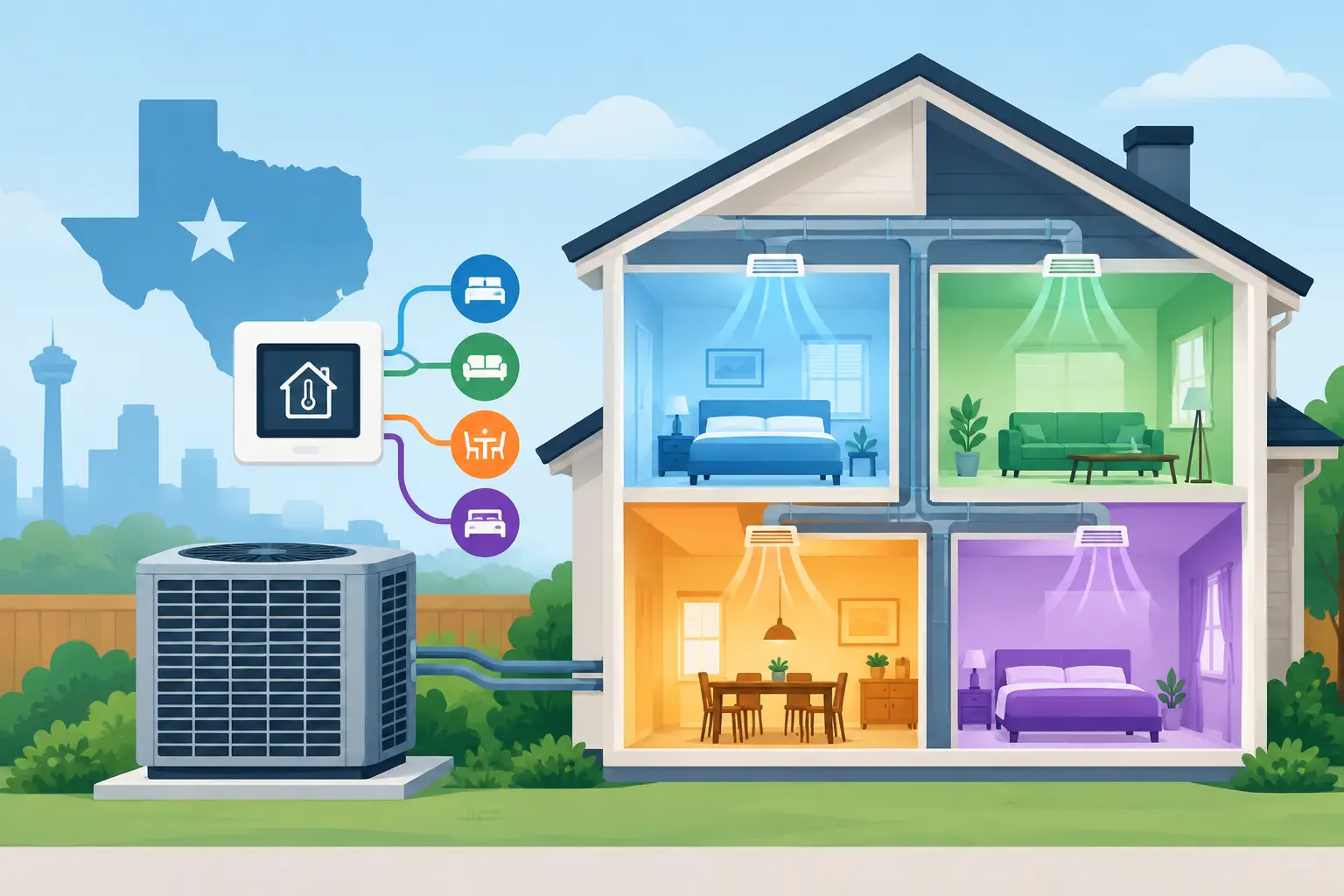
Variable-speed systems are designed to reduce those swings. Because they can operate at lower capacity for longer periods, they can maintain a steadier indoor temperature. That can be especially helpful in larger homes, open floor plans, two-story properties, upstairs bedrooms, offices with varying occupancy, and buildings where certain rooms have always felt different from the rest.
Noise can be another consideration. A single-stage system is usually most noticeable when it starts and stops at full output. Variable-speed systems may run more often, but at a lower, quieter level. For a bedroom near an outdoor unit, a nursery, a home office, or a customer-facing business area, that difference may matter.
Still, variable speed is not a cure-all for hot and cold spots. If a second-floor room receives heavy afternoon sun, lacks adequate return air, or has poorly designed ductwork, the solution may include insulation, duct changes, zoning, or airflow adjustments. An honest HVAC recommendation should identify the cause instead of promising that a new unit alone will fix every comfort problem.
Upfront cost, energy use, and repair considerations
Single-stage equipment generally has a lower purchase and installation cost. For a property owner replacing an aging system on a firm budget, that lower entry cost can be the deciding factor. It may also be appropriate for a rental property, a lightly used space, or a home where comfort and humidity have not been ongoing concerns.
Variable-speed systems usually cost more up front because of their technology and controls. Over time, they may use less energy by avoiding full-capacity operation when it is not needed. The amount of savings depends on many factors, including system size, thermostat habits, insulation, duct condition, local utility rates, and how long the equipment operates through a Texas summer.
It is wise to view efficiency estimates as part of the decision, not a guarantee of a specific bill reduction. A very efficient system installed incorrectly can waste energy. Likewise, an appropriately sized single-stage system with maintained coils, clear outdoor airflow, and properly sealed ducts can perform very well.
Repair costs deserve an honest conversation too. Single-stage systems are often simpler, while variable-speed systems can include more sophisticated electronics and motors. That does not mean variable-speed equipment is unreliable. Quality equipment, correct installation, and preventive maintenance go a long way. It does mean owners should understand warranty coverage, maintenance expectations, and the availability of qualified service before choosing a system.
Which system fits a North Texas property?
A single-stage system may be a strong fit if you want a reliable replacement at a lower initial cost, your building has fairly even temperatures, and you do not have significant humidity concerns. It can also make sense when the existing system has failed unexpectedly and the priority is restoring dependable cooling quickly without stretching the budget.
A variable-speed system may be worth considering if your family is sensitive to temperature changes, certain rooms are regularly uncomfortable, indoor humidity is a concern, or you expect to stay in the property long enough to value the added comfort and potential efficiency benefits. For businesses, quieter operation and more even comfort can support employees, customers, and sensitive equipment areas.
Before making either choice, ask for a proper load calculation rather than selecting a system based only on the size of the old one. Home additions, replacement windows, insulation improvements, occupancy changes, and aging ductwork can all change what the building needs. Oversizing is particularly damaging to comfort because an oversized AC may cool too quickly, cycle frequently, and remove less humidity.
Do not overlook the supporting system
Your HVAC equipment works as part of a larger system. Filters need regular replacement. Outdoor units need clear space around them. Drain lines, electrical connections, refrigerant levels, blower components, and ductwork all need attention over time. Preventive maintenance helps protect both single-stage and variable-speed equipment from surprise breakdowns during the hottest or coldest days.
For older homes and commercial spaces, indoor air quality may also be part of the conversation. Better filtration, humidity management, ventilation, and air-cleaning options can complement a new HVAC system when dust, allergies, odors, or stale air are concerns.
The best equipment decision is the one that gives you reliable comfort without asking you to pay for features your property will not truly use. A careful assessment can show whether a straightforward single-stage system will serve you well or whether variable-speed comfort is a worthwhile investment for the way you live or work.




Leave A Comment