
When North Texas heat keeps the AC running for months, your HVAC system moves a lot more than cool air. It can circulate pollen, dust, pet dander, mold particles, and other irritants throughout the property. Learning how to reduce HVAC allergens gives your family, employees, and visitors a more comfortable place to live or work, especially during high-pollen seasons and long stretches of closed-window weather.
The goal is not to promise allergen-free air. No HVAC system can do that on its own. The practical goal is to limit what enters the system, capture particles effectively, prevent moisture problems, and keep airflow strong enough for your equipment to do its job safely.
Start With the Right HVAC Filter
A clean, properly selected air filter is the first line of defense against airborne allergens. Filters are rated with a MERV number, which indicates how well they capture particles. For many homes, a pleated filter in the MERV 8 to MERV 11 range provides a sensible balance between better filtration and healthy airflow. It can catch more dust, pollen, and pet dander than a basic fiberglass filter without placing excessive strain on many residential systems.
Higher MERV is not always better. A MERV 13 filter can be helpful for some homes and commercial spaces, particularly when allergy symptoms are significant. But a dense filter may restrict airflow if the system was not designed for it. Restricted airflow can reduce comfort, raise energy use, contribute to frozen evaporator coils, and put unnecessary wear on the blower motor.
Before moving to a higher-efficiency filter, have an HVAC professional confirm that your equipment can handle it. Custom Climates takes a repair-first, property-specific approach because a filter recommendation should fit your system, not just sound impressive on the shelf.
Change filters consistently, not only when they look dirty. In a typical Texas home, checking monthly and replacing every one to three months is a good starting point. Homes with shedding pets, smokers, construction nearby, or allergy-sensitive family members may need more frequent changes. In an office, retail space, or other commercial building, replacement intervals depend on occupancy, operating hours, and the amount of dust entering the building.
How to Reduce HVAC Allergens Beyond the Filter
Filtration matters, but it works best alongside everyday source control. Dust and allergens that collect in the home eventually find their way back into return vents. Vacuuming carpets and upholstered furniture with a HEPA-equipped vacuum, damp-dusting hard surfaces, and washing bedding regularly all reduce the material available to circulate.
Pay attention to return-air grilles. These are the points where your HVAC system pulls air back for conditioning, so they often collect visible dust. Vacuum the grille gently and keep furniture, storage bins, and drapes from blocking it. A blocked return can weaken airflow and leave the system working harder than it should.
For properties with pets, regular grooming can make a noticeable difference. Pet dander is lightweight and easily airborne, so it can move through a house long after a pet has left the room. Keeping pets out of bedrooms can also give allergy sufferers one lower-allergen area for rest.
Outdoor allergens need attention too. During heavy pollen days, keep doors and windows closed when possible. Check weatherstripping around exterior doors and windows, particularly in older homes or commercial spaces with frequent foot traffic. Your HVAC system cannot filter pollen that enters through every gap around the building envelope.
Keep Humidity in a Healthy Range
North Texas humidity changes quickly, and indoor moisture has a direct effect on allergens. High humidity can encourage mold growth and dust mites, while air that is too dry can irritate nasal passages and throat tissues. Most properties are most comfortable with indoor relative humidity around 30% to 50%.
Your air conditioner removes moisture as it cools, but it can only do so effectively when it is operating correctly and sized appropriately. An oversized AC unit may cool a home too quickly, shutting off before it has removed enough humidity. A system with a dirty coil, low refrigerant, drainage issue, or blower problem may also struggle to manage moisture.
Watch for warning signs such as musty smells, moisture around vents, condensation on windows, water near the indoor unit, or rooms that feel clammy even when the thermostat is satisfied. These are not problems to cover up with fragrance products. They deserve a professional inspection before moisture creates larger mold or equipment concerns.
Maintain the Parts You Cannot Easily See
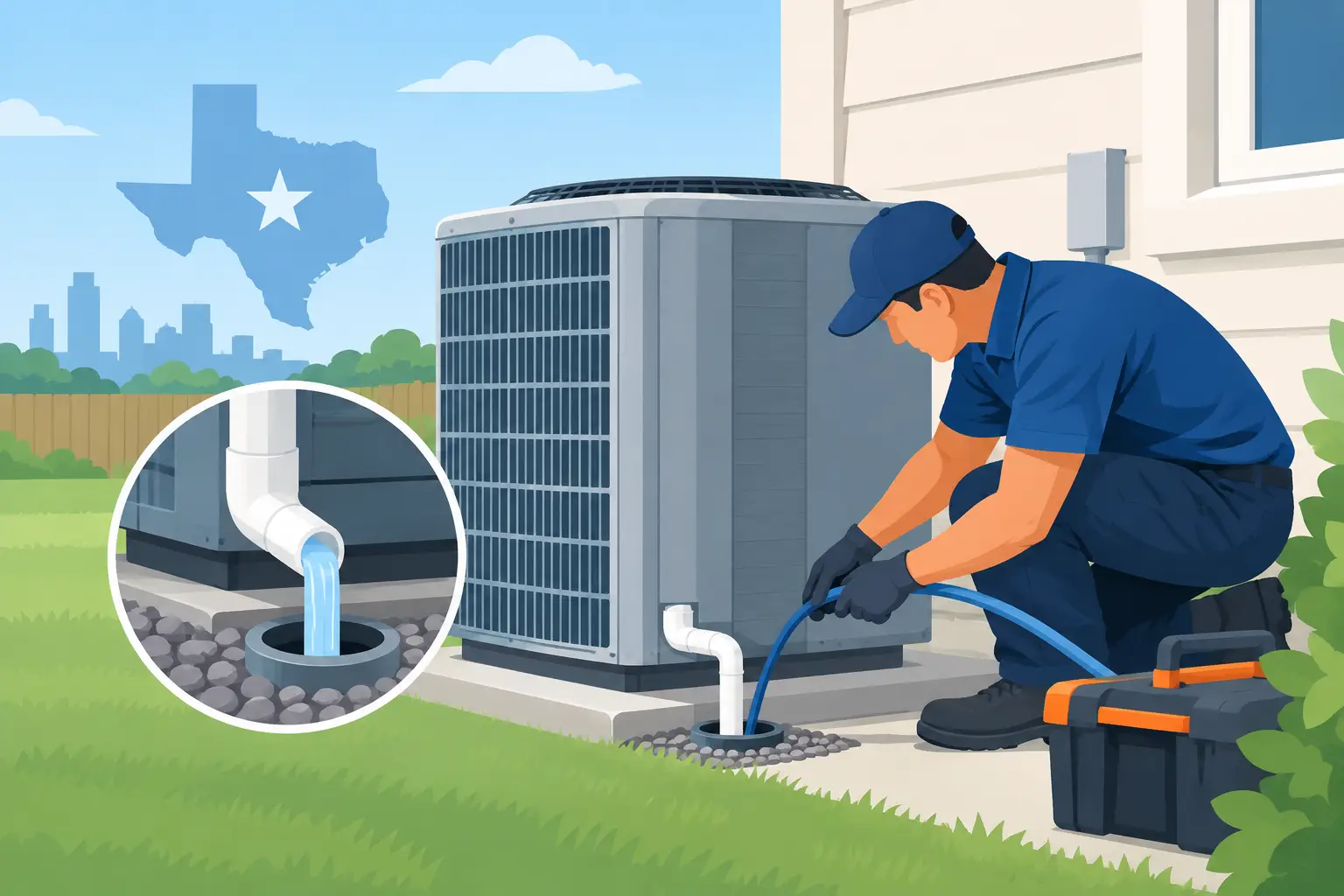
A neglected HVAC system can become less effective at capturing and controlling allergens. Dust buildup on the indoor evaporator coil, blower components, and drain system can affect airflow and moisture removal. A maintenance visit gives a technician the chance to inspect these areas, clean what is appropriate, verify drainage, and identify problems before a Texas summer puts the system under full demand.
Ductwork also deserves a thoughtful look. Duct cleaning is not automatically necessary for every property, and honest service means saying so. However, an inspection may be worthwhile if you see debris blowing from vents, recently completed major remodeling, have evidence of pests, notice visible mold concerns, or find excessive dust returning soon after cleaning.
Leaky ducts are another concern. Gaps in attic or crawlspace ductwork can pull unconditioned, dusty air into the system or allow conditioned air to escape before it reaches the rooms that need it. Sealing and repairing damaged ducts may improve both indoor air quality and efficiency.
Consider Targeted Indoor Air Quality Upgrades
Some households need more support than a better filter and routine maintenance can provide. This is especially true when someone has severe allergies, asthma, recurring sinus irritation, or sensitivity to pet dander. The right indoor air quality solution depends on the building, the HVAC equipment, and the specific issue you are trying to solve.
A whole-home air cleaner can add another level of particle capture. Germicidal UV equipment may be appropriate in certain systems to address microbial growth on damp components such as an evaporator coil. Dehumidification equipment can help properties with persistent moisture concerns, while ventilation improvements can be useful when stale indoor air is the larger problem.
These options are not interchangeable, and no single add-on is right for every customer. For example, an air cleaner may help with airborne particles but will not correct a clogged drain line or a mold issue caused by a roof leak. A careful assessment prevents spending money on equipment that does not address the source of the problem.
Do Not Forget Comfort Settings and Household Habits
Running the fan continuously can improve air circulation and move more air through the filter, but it also uses more electricity and may raise indoor humidity during humid weather if the system is not configured properly. Many homes do best with the thermostat fan set to Auto. Others may benefit from an intermittent circulation setting if their thermostat and system support it. This is one of those situations where the best answer depends on the equipment and indoor conditions.
Keep supply vents open and unobstructed. Closing many vents in unused rooms can increase pressure in the duct system and may reduce performance rather than save money. If a room is consistently dusty, humid, or uncomfortable, the fix could involve airflow balancing, duct repair, insulation, or equipment adjustments instead of simply closing vents elsewhere.
For commercial properties, a documented maintenance schedule is especially valuable. Shared spaces have more people, more outside air entering through doors, and often longer equipment run times. Filter changes, coil inspections, and drainage checks help protect employee comfort while reducing the chance of an unexpected breakdown during peak weather.
Know When to Schedule Service
Call for HVAC service when allergy symptoms seem worse indoors, airflow has weakened, rooms have unusual odors, humidity feels difficult to control, or the system cycles on and off more often than normal. Those signs may point to a simple maintenance need, but they can also reveal issues that a filter change will not solve.
Cleaner indoor air is built through small, dependable habits and honest system care. Start with the filter your equipment can support, keep moisture and dust under control, and ask for help when the system gives you a reason to be concerned. A comfortable home or workplace should feel like a place where everyone can breathe a little easier.




Leave A Comment