
When the AC quits during a North Texas heat wave, HVAC contractor reviews can feel like the fastest way to find help. They can be useful, but a five-star average alone does not tell you whether a company will diagnose the real problem, explain your options clearly, or respect your budget. The details behind those stars matter most when your home, business, and comfort are on the line.
A good review is not simply a compliment. It is a small record of what happened when a customer needed service. Did the technician arrive when promised? Did the company repair a system instead of immediately pushing replacement? Did the customer understand the price before work began? Those are the experiences worth looking for.
What HVAC Contractor Reviews Should Tell You
The most useful reviews describe a specific problem and the way it was handled. A homeowner may mention that their outdoor unit was frozen, the house would not cool below 80 degrees, or a furnace stopped working on a cold night. A business owner may describe uneven temperatures in an office, a failed rooftop unit, or a repair completed without disrupting the workday.
Specifics give you more confidence than broad comments such as “great company” or “good service.” A short positive review is not automatically a bad sign, especially when a customer is busy. Still, look for a pattern of real situations, clear communication, professional work, and a result that lasted beyond the service visit.
Pay attention to whether customers mention these practical parts of service in their own words: accurate arrival windows, respectful technicians, explanations without confusing jargon, upfront pricing, and clean work areas. For larger repairs or replacements, it is also helpful when reviews mention warranty support, financing conversations, equipment options, or a technician taking time to evaluate the property rather than recommending the same system for every home.
Look for repair-first thinking
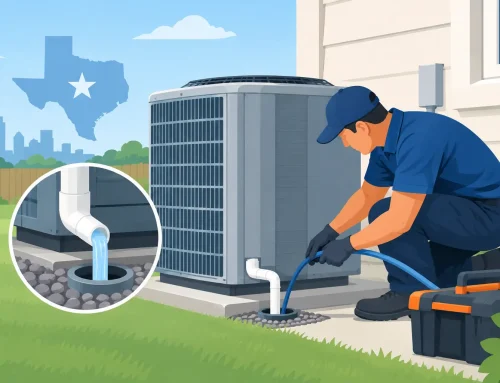
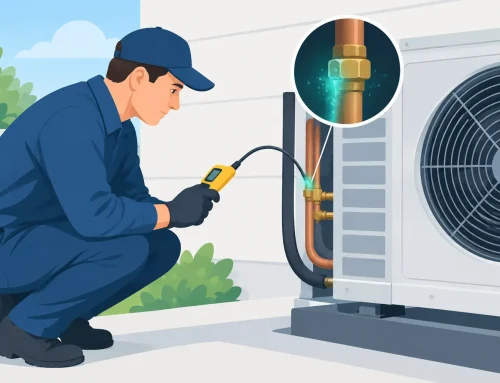
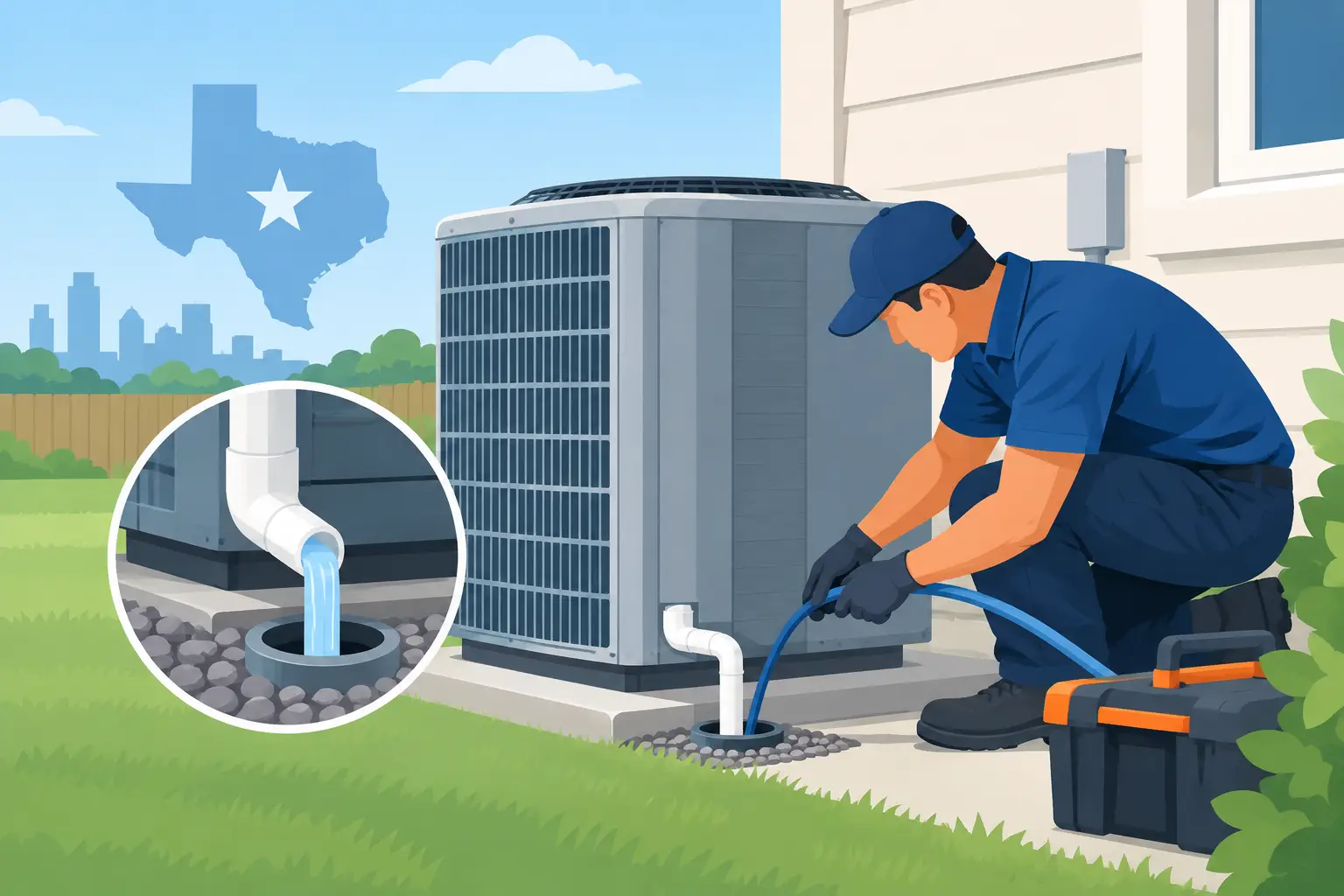
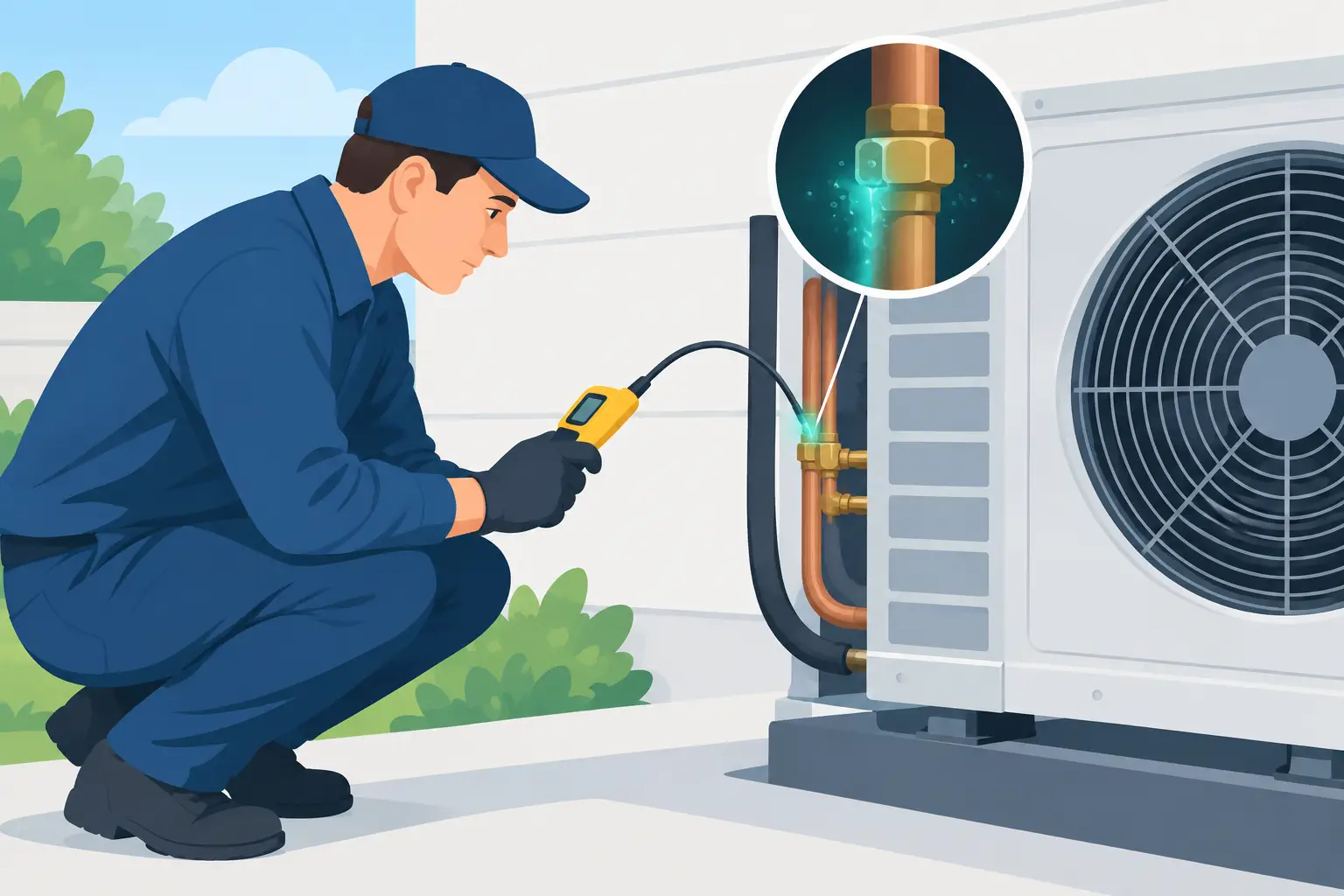
An HVAC system does not always need to be replaced because it has a problem. A clogged drain line, failed capacitor, worn contactor, refrigerant issue, dirty coil, or thermostat problem may be repairable. The right answer depends on the system’s age, condition, repair history, efficiency, and the cost of the proposed work.
Reviews that describe a company presenting repair and replacement options can be especially meaningful. That does not mean replacement is never the right choice. A system that is more than 10 years old, breaks down repeatedly, uses an outdated refrigerant, or cannot keep up with the building may be costing more to maintain than it is worth. What matters is whether the contractor explains why a recommendation fits your situation.
A trustworthy company should be willing to discuss the trade-offs. Repair may cost less today but offer a shorter-term solution. Replacement can bring better reliability and efficiency but requires a larger investment. You deserve guidance that accounts for your comfort needs, timeline, and budget.
How to Spot Reliable HVAC Contractor Reviews
Start by reading beyond the first few reviews. Open a mix of recent comments, older feedback, high ratings, and lower ratings. A company that has served customers for years should have a body of feedback that shows how it operates over time, not just a handful of recent posts.
Recent reviews matter because staffing, response times, and service practices can change. Older reviews matter because they can show whether customers continue to call the same company for maintenance, repairs, and new equipment. Repeat customers are often a strong sign. HVAC is not a one-time relationship. Your system needs seasonal care, filters, inspections, and occasional repairs long after the first service call.
Also consider the type of work described. A quick thermostat repair is valuable, but it does not tell you everything about how a contractor handles a complicated system diagnosis or a full equipment installation. If you need a new heat pump, a commercial service agreement, or indoor air quality improvements, search reviews for experiences close to your own needs.
Read the company’s response to criticism
No local service company can realistically expect every customer experience to be perfect. Parts can be delayed, equipment can fail unexpectedly, and scheduling can be affected by severe weather. The more revealing question is how the company responds when something goes wrong.
A professional response should be calm, respectful, and focused on resolving the concern. It should not insult the reviewer or reveal private customer information. You are looking for accountability, not a polished argument.
At the same time, read negative reviews with context. One unhappy review among hundreds of detailed positive experiences may reflect a misunderstanding or an unusual circumstance. Several reviews raising the same issue, such as surprise charges, missed appointments, or pressure to replace equipment, deserve closer attention.
Watch for patterns, not perfection
Be cautious when every review uses almost identical wording, arrives in a sudden cluster, or provides no real detail. That does not prove anything by itself, but it is a reason to keep reading.
More concerning patterns include:
- Customers repeatedly saying they were not told the price before work began.
- Reviews describing pressure to replace equipment without a clear diagnosis.
- Ongoing complaints about missed appointments or no response after service.
- Reports that the same repair failed quickly and the company would not stand behind the work.
On the positive side, notice repeated mentions of honesty, punctuality, clear explanations, fair options, and follow-up. When different customers independently describe the same strengths, that is more meaningful than a perfect rating alone.
Questions to Ask After Reading Reviews
Reviews should help you make a shortlist, not replace a conversation. Before approving a repair or replacement, ask a few direct questions. What did the technician find? What caused the issue? What are the available options, and what does each one cost? Is the repair covered by a parts or labor warranty? If replacement is recommended, why is it a better value for this particular system?
For a new system, ask how the contractor will determine the correct equipment size. Bigger is not always better. An oversized unit can cycle on and off too often, waste energy, and struggle with humidity control. A properly sized recommendation should consider the building’s square footage, insulation, windows, ductwork, occupancy, sun exposure, and comfort concerns.
For commercial properties, ask about scheduling, maintenance documentation, response priorities, and how service can be handled with minimal disruption to employees or customers. A small office with hot and cold spots has different needs than a restaurant, retail space, or multi-unit property. Reviews can point you toward experienced providers, but the service plan still needs to fit your building.
A Local Perspective Matters in North Texas
Texas weather puts HVAC systems to work. Long stretches of extreme heat can expose weak capacitors, aging compressors, drainage issues, airflow problems, and neglected filters. Winter cold snaps can reveal furnace or heat pump problems that stayed hidden during milder weather. A contractor familiar with Celina, Van Alstyne, and the wider Dallas-Fort Worth area understands that fast service and dependable maintenance are not luxuries.
Local reviews can also tell you whether a contractor treats customers like neighbors. Look for signs that the company listens, arrives prepared, respects homes and businesses, and offers recommendations based on the real condition of the equipment. At Custom Climates, that repair-first approach is part of building the long-term relationships local families and businesses deserve.
Let Reviews Start the Conversation, Not End It
The best HVAC contractor reviews make you feel more prepared to call, not pressured to make a rushed decision. Use them to identify companies that communicate clearly, stand behind their work, and treat repairs, maintenance, and replacement decisions with care.
When comfort is urgent, choose a contractor who will give you straightforward answers and practical options. A well-maintained system and an honest service partner can make the next Texas weather swing far less stressful.




Leave A Comment