
A Texas cold snap can turn a quiet evening into an urgent problem fast. When the heat stops, this emergency heating response guide helps you protect your family, your property, and your budget while you determine whether a simple issue can wait or a professional repair is needed now.
Start With Safety, Not the Thermostat
If you smell natural gas, hear a hissing sound near a gas line, or a carbon monoxide alarm goes off, leave the building immediately. Do not turn lights, appliances, or switches on and off. Once everyone is safely outside, contact your gas provider or emergency services and arrange for qualified HVAC service after the area is cleared.
Carbon monoxide is colorless and odorless, which is why working carbon monoxide detectors matter in every home or business with gas heating. Symptoms such as headache, dizziness, nausea, confusion, or unusual fatigue can also signal exposure. Get into fresh air and seek medical help right away if anyone feels ill.
Never use an oven, grill, camp stove, or vehicle to heat an enclosed space. These shortcuts can create serious fire and carbon monoxide risks. A portable electric space heater can help warm one occupied room temporarily, but it needs clear space around it, a direct wall outlet, and active supervision. Keep children, pets, blankets, curtains, and furniture well away from it.
Emergency Heating Response Guide: Check the Simple Causes
Once you know there is no immediate safety risk, take a few calm, basic steps before assuming the furnace has failed. A thermostat setting, tripped breaker, or restricted filter can sometimes be the source of a no-heat call.
Confirm the thermostat is set to Heat and that the temperature setting is at least a few degrees above the current indoor temperature. If the thermostat screen is blank, replace the batteries if it uses them. For a smart thermostat, check for an error message or connection issue, but do not let app troubleshooting delay a service call during dangerous cold.
Next, check the electrical panel for a tripped HVAC or furnace breaker. Reset it once if it has tripped. If it trips again, leave it alone. Repeated resets can point to an electrical or equipment problem that needs professional attention.
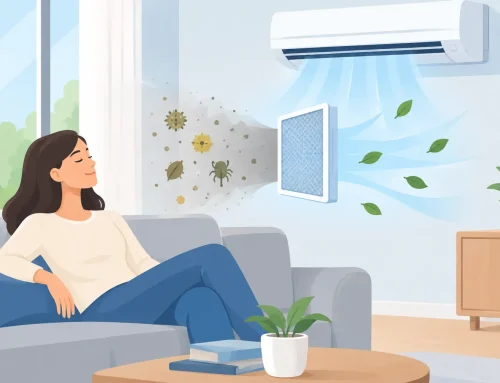
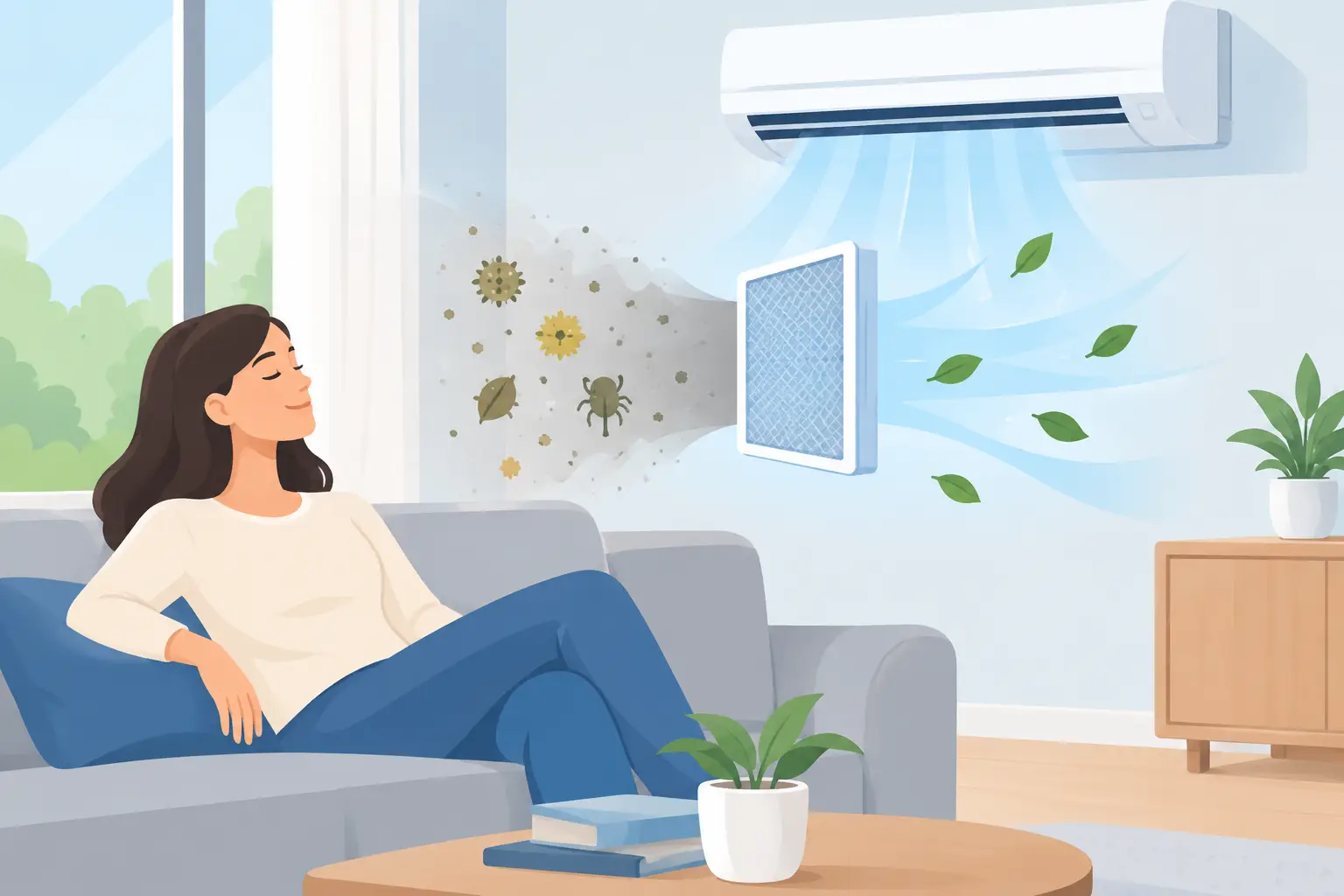
Look at the air filter as well. A heavily clogged filter can restrict airflow, contribute to overheating, and cause some systems to shut down. If you have the correct replacement filter, install it with the airflow arrow pointed toward the equipment. Do not operate the system without a filter.
For high-efficiency furnaces, check the outdoor PVC intake and exhaust pipes if they are safely accessible. Ice, leaves, nesting material, or other debris can block airflow. Clear only visible material around the opening. Do not insert tools deep into the pipe or attempt to dismantle venting.
If your system uses a heat pump, remember that it may run longer during freezing weather and may occasionally enter a defrost cycle. Steam rising from the outdoor unit during defrost can look alarming, but it is often normal. A unit covered in solid ice, making loud grinding noises, or blowing cold air continuously is not normal and deserves a professional assessment.
Keep the Building Warm While You Wait
The goal during a heating outage is to hold onto the heat you have without creating another problem. Close curtains after sunset, shut doors to unused rooms, and use towels at the bottom of drafty exterior doors. Gather household members in one safely heated room rather than trying to heat the entire house with portable equipment.
Open cabinet doors beneath sinks on exterior walls so warmer room air can reach plumbing. During extended freezing weather, let cold-water faucets drip slowly if pipes are especially vulnerable. Know where your main water shutoff valve is before an emergency happens. If a pipe bursts, shutting off the water quickly can limit damage.
For businesses, protect more than the people inside. Cold conditions can affect restrooms, break rooms, sprinkler components, inventory, computers, and other equipment. Move temperature-sensitive materials away from exterior walls, document the indoor temperature, and notify building management or staff early if operations need to change. A planned temporary closure is safer than asking employees or customers to remain in an unheated space.
If indoor temperatures are falling quickly, especially where infants, older adults, pets, or medically vulnerable people are present, consider staying with family, visiting a warming center, or booking a safe overnight location. There is no prize for toughing out unsafe conditions.
Know When Heating Repair Cannot Wait
Some heating issues can be scheduled for the next available appointment. Others call for same-day attention. Contact an HVAC professional promptly when the system will not start after basic checks, the blower runs but delivers cold air, a heat pump is frozen over, or the furnace repeatedly shuts down.
You should also request service right away if you notice burning odors that do not fade after brief seasonal use, smoke, sparking, water around the unit, unusual banging or metal-on-metal noises, or a breaker that trips again. These are not problems to diagnose through repeated trial and error.
Age matters, but it does not automatically mean replacement. A furnace or heat pump that is more than 10 years old may need more frequent repairs or be less efficient than current equipment. Still, many systems have repairable issues involving ignition components, capacitors, motors, sensors, controls, drainage, or airflow. An honest technician should explain what failed, what the repair involves, and whether repair or replacement makes better sense for your system, timeline, and budget.
What to Tell Your HVAC Technician
Clear details help a technician arrive prepared and shorten the diagnostic process. Share the type of system you have, whether it is gas, electric, or heat pump equipment, and describe what happened before the heat stopped. Mention error codes, sounds, smells, recent electrical outages, thermostat changes, and whether the outdoor unit is running.
If you can do so safely, note the temperature inside the building and how long the system has been down. For commercial properties, explain which zones are affected and whether there are any building-access restrictions or operations that cannot be interrupted. These details help the service team prioritize the right response.
Avoid taking panels off the furnace or attempting repairs involving gas lines, wiring, capacitors, burners, or refrigerant. Heating systems combine electricity, combustion, moving parts, and sometimes high-voltage components. A repair that starts as a quick online fix can become a safety issue or a more expensive repair.
Prevent the Next No-Heat Emergency
The best time to find a weak igniter, dirty flame sensor, failing blower motor, or drainage problem is before the next hard freeze. Seasonal heating maintenance gives a professional the chance to inspect safety controls, test performance, check electrical connections, evaluate airflow, and catch wear before it becomes a middle-of-the-night failure.
Between visits, change filters on schedule, keep supply and return vents open and clear, and keep the outdoor heat pump unit free of leaves and debris. If rooms are consistently too hot or too cold, utility bills rise without explanation, or your system is becoming unreliable, ask for a property-specific evaluation rather than assuming a full replacement is the only answer.
For families and local businesses across Celina, Van Alstyne, and the Dallas-Fort Worth area, Custom Climates approaches urgent heating concerns with a repair-first mindset. The right solution may be a straightforward repair, planned maintenance, or a replacement recommendation when repairs no longer serve your comfort or budget.
When the heat goes out, take the safe steps first, keep your space protected, and get qualified help before a small heating problem turns into a long, cold, costly night.

Leave A Comment