
A heat pump in North Texas has to do more than provide heat on a handful of chilly mornings. It has to carry the load through a long, demanding cooling season, manage humidity, and switch to reliable heating when a winter cold snap arrives. That is why the best heat pumps are not simply the units with the highest efficiency label or the lowest advertised price. They are the systems that fit your home, your comfort expectations, and the way you actually use the space.
For homeowners in Celina, Van Alstyne, and the Dallas-Fort Worth area, the right choice often comes down to a careful balance: strong summer performance, dependable cold-weather operation, reasonable operating costs, and an installation that is done correctly. A quality system can be an excellent investment. The wrong size or poorly installed system can create years of uneven temperatures, high bills, and unnecessary repair calls.
What the Best Heat Pumps Do Differently
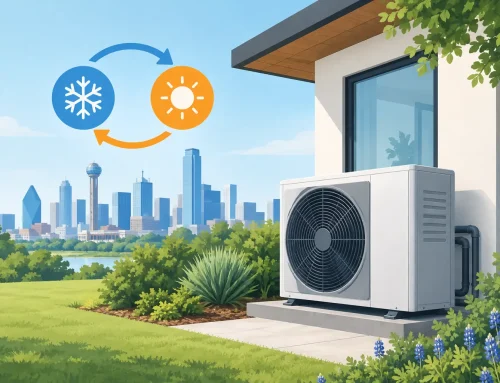
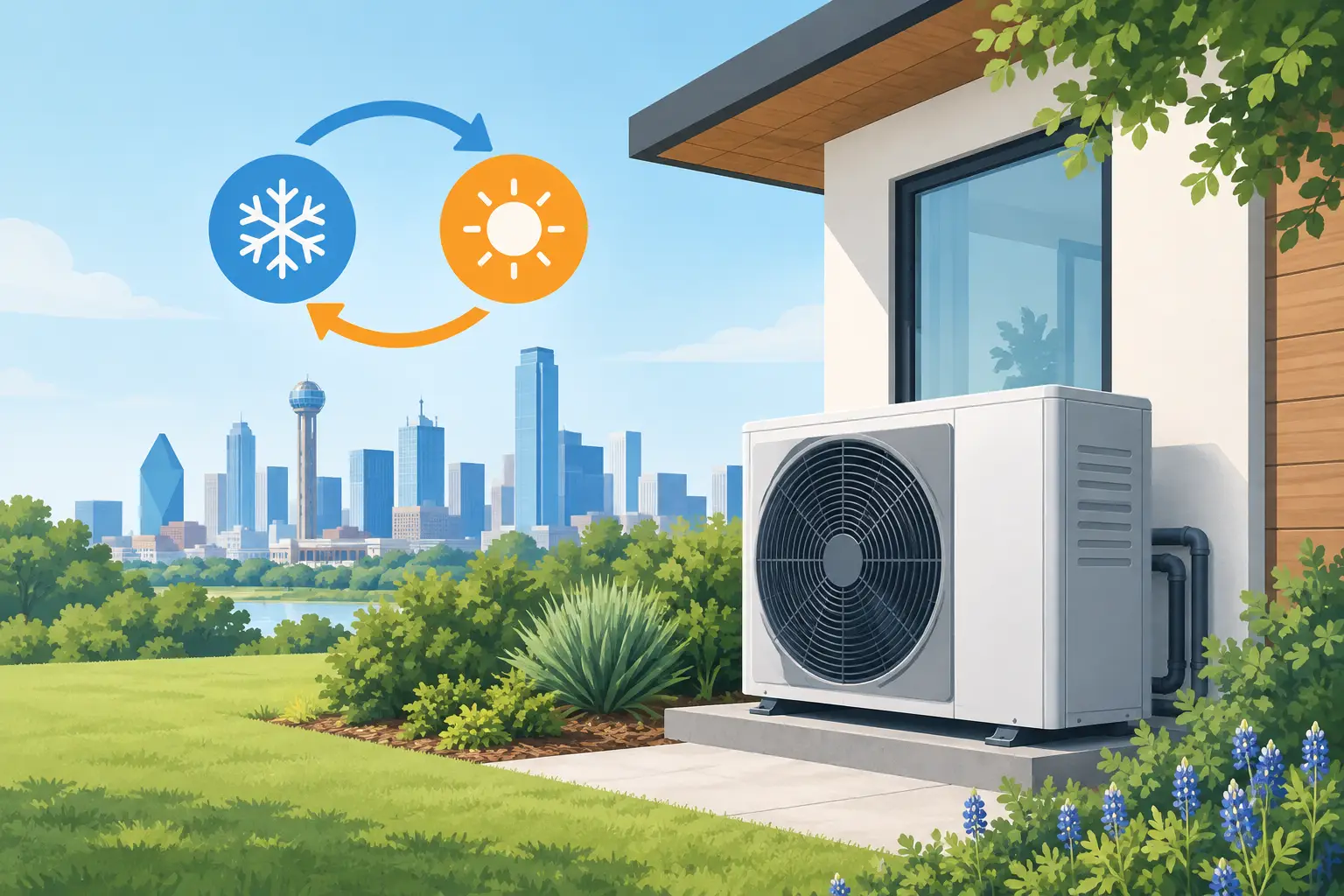
A heat pump moves heat rather than creating it through combustion. In cooling mode, it works much like a central air conditioner by moving heat out of your home. In heating mode, it reverses that process and brings available outdoor heat inside. Because North Texas spends far more time needing cooling than heating, a heat pump can make particular sense for many local homes.
The better systems are designed to maintain comfort without constantly blasting on and off. Many use variable-speed or two-stage compressors that can adjust output to match conditions. On a mildly warm day, the system can run at a lower level for longer periods. This generally produces steadier temperatures, better humidity removal, and less disruptive cycling than an older single-stage unit.
That does not mean every home needs the most advanced model on the market. A single-stage heat pump may be a practical, dependable choice for a rental property, a tighter replacement budget, or a home with modest comfort needs. Higher-end variable-capacity equipment can be worthwhile when quiet operation, room-to-room consistency, humidity control, and long-term efficiency are priorities. The best choice depends on the property, not a sales script.
Cooling performance matters most in Texas
When comparing equipment, pay close attention to its cooling efficiency rating. Higher ratings can reduce energy use, but the real savings depend on your thermostat settings, insulation, duct condition, household schedule, and local electric rates. A high-efficiency unit cannot fully overcome hot attic ductwork, major air leaks, or an oversized system that short-cycles.
For many North Texas households, proper humidity control is just as valuable as a high efficiency number. Lower indoor humidity can make a home feel more comfortable at a slightly higher thermostat setting. Systems with longer, lower-speed run times often have an advantage here, especially during the humid stretches of spring and early summer.
Heating capacity deserves a closer look
Modern heat pumps can provide effective heat in North Texas winters, including during many colder periods. Still, performance changes as outdoor temperatures fall. Most systems include supplemental electric heat for backup, and some homes may benefit from a dual-fuel setup that pairs a heat pump with a gas furnace.
A dual-fuel system can be a sensible option for households that already have natural gas service and want efficient electric cooling with strong backup heat during the coldest weather. An all-electric heat pump may be the better fit for other homes, particularly when the equipment is selected for cold-weather capacity and the electrical system is ready for it. There is no single answer that works for every address.
How to Choose the Best Heat Pumps for Your Property
Start with a load calculation, not the size of the system you are replacing. Older equipment may have been oversized from the beginning, or changes to insulation, windows, additions, and occupancy may have altered your home’s needs. Equipment capacity should be based on the home’s layout, square footage, insulation levels, window exposure, duct design, and other real conditions.
Oversizing is one of the most common comfort mistakes. A system that is too large may cool the air quickly but shut off before it removes enough moisture. It can also create temperature swings and put added wear on components through frequent starts. A system that is too small may run for long stretches and struggle during extreme heat. Proper sizing protects both comfort and equipment life.
Installation quality belongs in the decision just as much as the brand name. The outdoor unit needs appropriate clearance and placement. Refrigerant lines must be correctly sized, sealed, and charged. Ductwork needs enough airflow for the selected system. The thermostat must be configured for the equipment, and the drainage system needs to handle the moisture removed during cooling. Skipping any of these details can limit the performance of an otherwise excellent heat pump.
When reviewing proposals, ask what is included beyond the outdoor and indoor equipment. A clear recommendation should address electrical needs, thermostat compatibility, drain protection, duct modifications when needed, permits, warranty coverage, and the expected maintenance plan. A lower initial quote may leave out work that is necessary for safe, dependable operation.
Features Worth Paying For
Variable-speed operation is one of the most meaningful upgrades for homeowners who notice hot and cold spots, humidity issues, or loud system cycling. It is not automatically necessary, but it can make a noticeable difference in larger homes, open floor plans, and households that want more consistent comfort.
A communicating thermostat and matching indoor equipment can also improve control, although compatibility matters. Some systems are designed to work best as a complete matched package. Mixing components to save money can occasionally be appropriate, but it should be done only when the installer confirms performance and warranty requirements.
Noise levels deserve consideration when an outdoor unit sits near a bedroom, patio, office, or a neighbor’s property line. Quieter models can cost more, but placement and installation details also affect what you hear. A technician can help identify a practical location before the equipment arrives.
Finally, consider indoor air quality. The best heat pump for a family dealing with allergies, dust, odors, or uneven humidity may include upgraded filtration, a whole-home air cleaner, or humidity-focused controls. These additions should solve a specific problem, not become extras added without a reason.
When Repair Still Makes More Sense
A heat pump replacement is not always the right next step. If your current system is relatively young, has a repairable issue, and has otherwise been dependable, repair may be the responsible choice. This is especially true for straightforward electrical, drainage, airflow, or capacitor-related problems.
Replacement becomes more worth considering when repairs are becoming frequent, the system is more than 10 years old, comfort problems continue despite service, or a major component such as the compressor has failed. Rising energy bills can also be part of the picture, though bills should be evaluated alongside weather, rates, and changes in household use.
At Custom Climates, the goal is to help you understand the condition of your existing equipment before recommending a major purchase. A clear diagnosis gives you the information to decide whether a repair can reasonably protect your comfort and budget or whether replacement is the better long-term path.
Heat Pumps for Small Businesses and Commercial Spaces
Commercial heat pump decisions require the same attention to sizing and installation, plus a closer look at operating hours and occupancy. An office with computers, south-facing glass, and a busy afternoon schedule may have very different cooling needs from a retail space or light warehouse. Equipment must also support dependable comfort for employees, customers, and sensitive equipment.
For smaller commercial properties, consider zoning, thermostat access, filter service, fresh-air needs, and maintenance scheduling before selecting a system. A highly efficient unit is valuable, but unexpected downtime during a Texas summer can cost more than the energy savings. Preventive maintenance and a service plan help protect that investment by catching airflow, drainage, electrical, and refrigerant concerns early.
A Better Way to Compare Estimates
Do not compare estimates by price alone or by brand name alone. Compare the proposed equipment efficiency, capacity, included installation work, warranty terms, thermostat, electrical scope, duct recommendations, and expected maintenance needs. Then compare how clearly each contractor explains the trade-offs.
The right recommendation should make sense to you. You should know why a particular size was selected, what comfort improvements you can reasonably expect, and what will happen if a repair is chosen instead. A dependable HVAC partner will respect your timeline and budget without pushing equipment you do not need.
Before the next Texas heat wave arrives, pay attention to how your current system sounds, cools, drains, and holds temperature. Addressing small warning signs early gives you more time to make a calm, well-informed decision instead of choosing under pressure on the hottest day of the year.



Leave A Comment