
That familiar Texas cycle of sneezing, itchy eyes, and congestion can follow you indoors, even after the door closes. So, does HVAC affect allergies? It can. Your heating and cooling system does not cause seasonal allergies, but it can either reduce or circulate the pollen, dust, mold spores, pet dander, and other irritants that make symptoms feel worse.
For families in Celina, Van Alstyne, and across North Texas, the answer often comes down to how well the system is maintained, whether the filter fits the equipment, and how the home handles humidity. A well-cared-for HVAC system supports cleaner, more comfortable indoor air. A neglected one can leave allergens moving through the house whenever the AC or heat turns on.
How HVAC Systems Affect Allergy Symptoms
Your HVAC system continually pulls air through return vents, passes it through a filter, conditions it, and sends it back into rooms through supply vents. That process gives the system an opportunity to capture airborne particles before they recirculate. It also means a dirty filter, moisture problem, or airflow issue can work against you.
During North Texas allergy seasons, outdoor pollen can enter every time people, pets, groceries, or fresh air come through the door. Dust and dander build up indoors year-round. If the system cannot filter those particles effectively, or if return vents and ducts are dirty or compromised, sensitive family members may notice more symptoms at home.
Still, HVAC is only one part of the picture. Allergy symptoms may also be tied to carpeting, bedding, pets, outdoor exposure, smoke, cleaning products, or an underlying medical concern. No HVAC product can promise to cure allergies. The goal is to reduce the irritants in the air and keep your home at healthier, more comfortable conditions.
The Filter Matters More Than Most Homeowners Think
A filter is the first line of defense, but choosing the highest-rated filter on the shelf is not always the right move. Filter efficiency is often measured by MERV rating. A higher MERV rating can capture smaller particles, which may be helpful for allergy concerns. However, dense filters can also restrict airflow if the system was not designed for them.
Restricted airflow can make an air conditioner or furnace work harder, reduce comfort, increase energy use, and contribute to repairs. That is why the right filter is one that improves filtration without putting unnecessary strain on your equipment.
For many homes, a properly sized quality pleated filter, changed on schedule, is a meaningful improvement over a thin basic filter. Households with pets, multiple occupants, construction dust nearby, or significant allergy concerns may need more frequent changes. In a typical home, checking the filter monthly and replacing it when dirty is a practical habit. During heavy-use summer months, it may need attention sooner than expected.
Do not assume a filter is doing its job simply because it is in place. A filter that is bent, poorly fitted, installed backward, or overdue for replacement allows air to bypass the material or limits the system’s airflow.
Signs Your Filter May Be Making Indoor Air Worse
If rooms seem dustier than usual, vents have weak airflow, the system runs longer, or family members feel worse when the HVAC turns on, start with the filter. These signs do not automatically point to one problem, but they are worth investigating. A professional can also check whether the filter rack seals correctly and whether the return side of the system is pulling in unfiltered air from an attic, crawlspace, or other unwanted area.
Humidity Can Feed Mold and Dust Mites
Air conditioning does more than cool your home. It also removes moisture from indoor air. That matters because high humidity creates conditions that support mold growth and dust mites, both common allergy triggers.
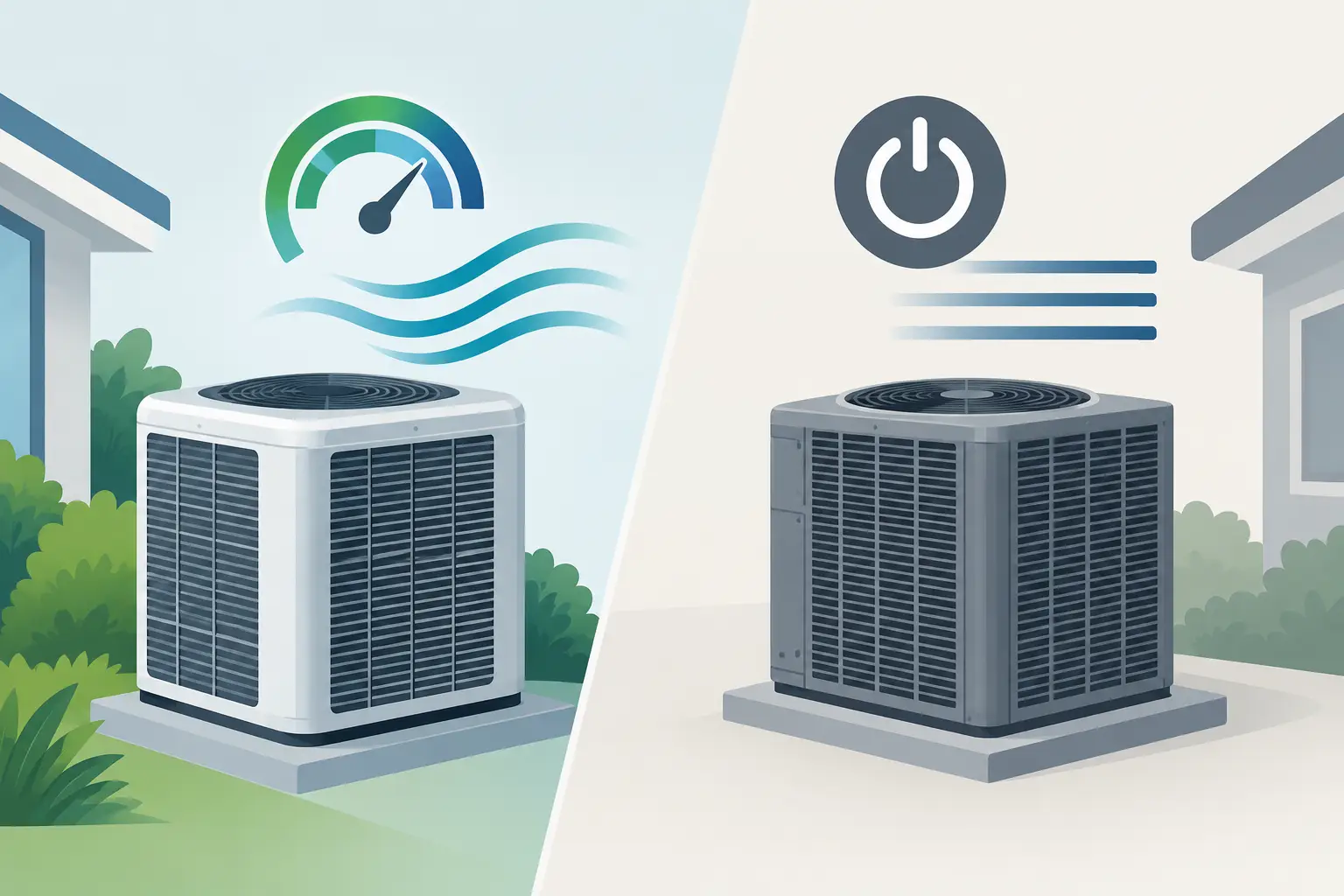
The generally recommended indoor humidity range is about 30% to 50%. In a Texas summer, maintaining that range can be challenging, especially in homes with oversized equipment, drainage issues, leaky ductwork, or poor insulation. An oversized AC system may cool the home quickly and shut off before it has had enough time to remove sufficient humidity. The temperature may look fine on the thermostat while the air still feels clammy.
On the other hand, air that is too dry can irritate nasal passages, skin, and eyes. Winter heating can contribute to dry indoor conditions, though North Texas homes do not all need added humidity. The right approach depends on the building, the equipment, and the moisture levels inside.
If you see recurring condensation, musty odors, water around indoor equipment, or visible mold, do not ignore it. These can indicate a condensate drain issue, improper humidity control, or another problem that needs professional attention. Surface cleaning alone will not solve a moisture source.
Ductwork and Equipment Need a Closer Look
Ducts are not automatically the cause of allergies, and duct cleaning is not a cure-all. In some situations, however, ductwork deserves attention. Damaged or disconnected ducts can draw dusty, unconditioned air from attics or wall cavities. Leaks can also waste conditioned air and make it harder to maintain steady comfort.
A musty smell when the system starts, visible debris coming from vents, unexplained dust accumulation, pest activity, or signs of water damage are good reasons to have the system evaluated. The indoor coil, drain pan, blower compartment, and return duct connections all affect air quality and system performance.
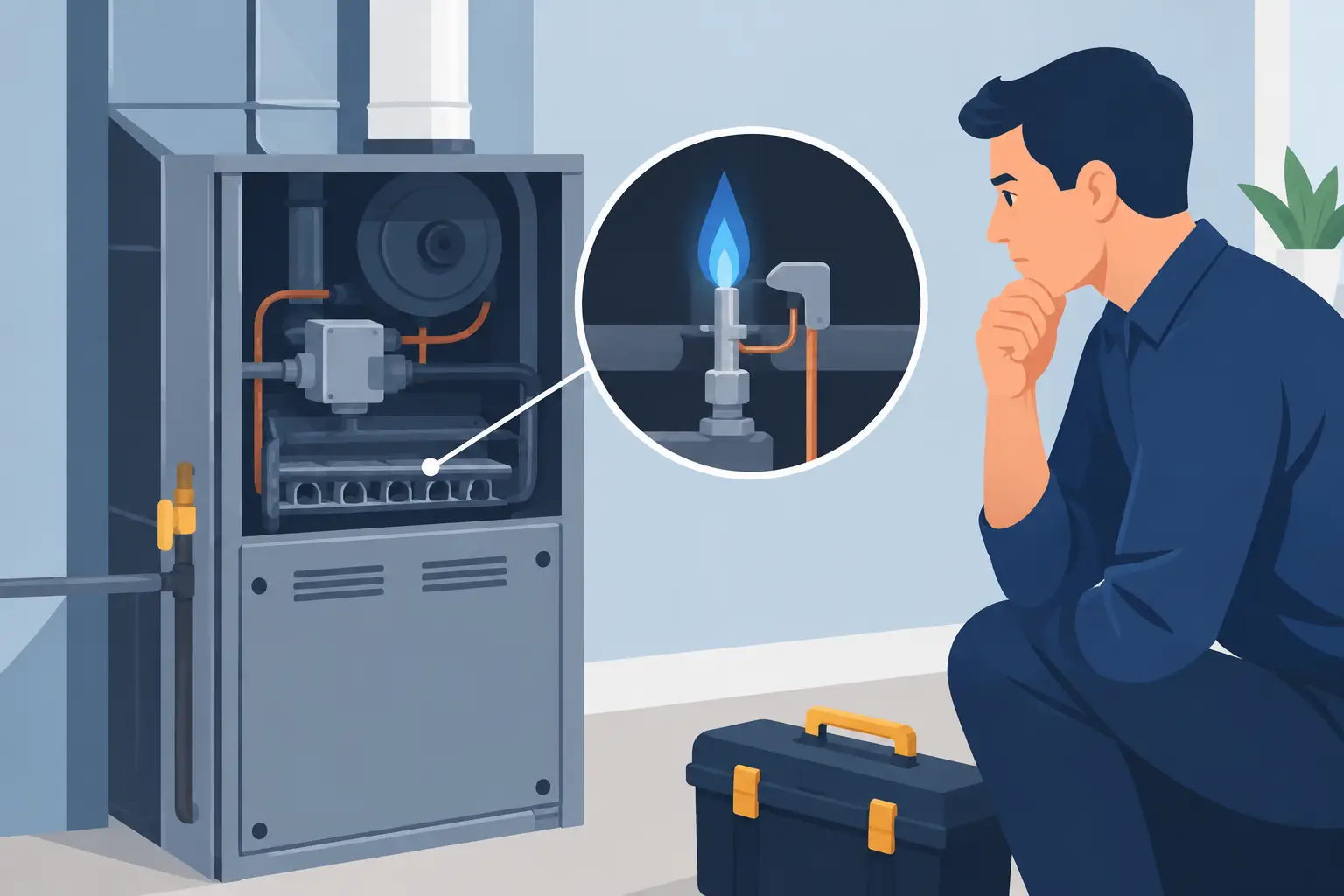
Regular preventive maintenance helps catch these concerns before they turn into an inconvenient breakdown in July or a larger indoor-air problem. A thorough service visit should look beyond whether the system turns on. It should include filter condition, drainage, airflow, electrical components, refrigerant performance where applicable, and visible signs of leaks or contamination.
Allergy-Friendly HVAC Habits That Actually Help
Small household habits can make a difference, particularly when pollen counts are high. Keep windows and exterior doors closed when practical, especially on windy days. Vacuum and dust regularly using equipment designed to capture fine particles, and wash bedding often if dust mites are a concern.
Give supply and return vents breathing room. Furniture, rugs, and storage boxes should not block them. Make sure bathroom and kitchen exhaust fans work properly, since removing moisture at the source reduces the load on your HVAC system.
For households that need more help, indoor air quality options may be worth considering. Depending on the home and the concern, solutions can include upgraded filtration, whole-home air cleaners, UV treatment for certain equipment applications, or humidity-control equipment. These are not one-size-fits-all upgrades. The best recommendation starts with identifying the actual issue, rather than selling equipment no one needs.
Does HVAC Affect Allergies at Work, Too?
Yes. In offices, retail spaces, and other shared buildings, poor filtration and uneven humidity can affect comfort for employees, customers, and visitors. Commercial spaces often have longer operating hours, more occupants, and more frequent door traffic than a home. That creates more opportunities for dust, pollen, and outdoor contaminants to enter.
Facility managers should pay attention to filter schedules, complaints tied to particular rooms, moisture near ceiling tiles or vents, and systems that struggle to keep temperatures consistent. A maintenance plan can help keep these concerns from being discovered only after employees are uncomfortable or equipment fails during peak demand.
When to Call an HVAC Professional
Call for an evaluation if you notice persistent musty odors, repeated water leaks, poor airflow, unusual dust, hot and cold spots, or a system that cannot control humidity. It is also wise to ask for guidance before moving to a much higher-MERV filter or adding an air-cleaning product.
At Custom Climates, the approach is to inspect the system, explain what is happening in plain language, and recommend repairs or improvements that fit your property and budget. Sometimes the answer is a filter change and maintenance. Other times, a drainage repair, duct correction, or targeted indoor air quality solution makes more sense.
Cleaner indoor air rarely comes from one dramatic fix. It comes from a system that is properly sized, maintained, filtered, and able to manage moisture – giving your family or workplace a more comfortable place to breathe when Texas allergens are working overtime.




Leave A Comment