
A cold North Texas morning has a way of making a heating problem feel urgent fast. If you are asking, why is there no heat coming from my furnace, start with a few safe checks before assuming the equipment has failed. Some no-heat calls come down to a thermostat setting or clogged filter. Others involve gas, electrical, or safety-control issues that need professional attention.
The goal is not to guess your way through a furnace repair. It is to identify what you can safely rule out, protect your household, and know when it is time to call for help.
Why Is There No Heat Coming From My Furnace?
A furnace needs several things to work in the proper order: a call for heat from the thermostat, electrical power, airflow, fuel or heat production, ignition, and a safe exhaust path. When one part of that sequence is interrupted, the blower may run without warm air, or the entire system may remain off.
The symptoms matter. Air that is cool or room-temperature points to a different issue than no airflow at all. A furnace that starts and stops repeatedly may be protecting itself from an unsafe operating condition. Paying attention to what you see and hear can help a technician diagnose the issue faster.
Check the thermostat first
Make sure the thermostat is set to Heat, not Cool or Off, and raise the set temperature at least 3 to 5 degrees above the current room temperature. If the thermostat uses batteries, replace them. A weak battery can leave the display on while preventing the thermostat from properly calling for heat.
Also check the fan setting. Set it to Auto, not On. When the fan is set to On, it can keep circulating air between heating cycles. That air may feel cold even though the furnace itself is not necessarily failing.
If you have a programmable or smart thermostat, review the schedule. A recent power outage, software update, or accidental schedule change can reset heating preferences. Do not remove wiring or open the thermostat if you are unsure how it is configured.
Make sure the furnace has power
Many furnaces have a standard-looking power switch on or near the unit. It can be bumped off while someone is working in the attic, garage, closet, or utility area. Confirm it is switched on.
Next, check your electrical panel for a tripped breaker. Turn a tripped furnace breaker fully off, then back on once. If it trips again, leave it off and schedule service. Repeatedly resetting a breaker can create a bigger electrical problem and will not fix the underlying cause.
For high-efficiency furnaces, a condensate pump or drain safety switch may also interrupt operation. Water buildup from a blocked drain can shut down the system to prevent damage. This is a repair issue, especially if you see water around the furnace.
Look at the air filter and vents
A heavily clogged filter is one of the most common and preventable reasons a furnace stops heating well. Restricted airflow causes the furnace to run hotter than it should. The high-limit safety switch may then shut off the burners while the blower continues running, leaving you with cool air from the vents.
Check the filter and replace it if it is visibly gray, packed with dust, or overdue based on the manufacturer’s recommendation. Use the correct size and airflow rating for your system. A filter that is too restrictive can cause problems just as easily as a dirty one.
Walk through the home and make sure supply vents and return grilles are open and clear. Furniture, rugs, boxes, or closed interior doors can limit airflow. In commercial spaces, check that large return grilles have not been blocked by stored materials or rearranged furniture.
Common Furnace Problems That Require Repair
Once the thermostat, power, filter, and vents have been checked, the remaining causes often involve furnace components that should be inspected by a trained HVAC professional.
Ignition or pilot light trouble
Older furnaces may rely on a standing pilot light, while newer systems usually use electronic ignition. A pilot that has gone out, a dirty flame sensor, a failed igniter, or a malfunctioning control board can all prevent the burners from lighting.
You may hear the furnace attempt to start, click, or run briefly before shutting down. It may repeat this cycle several times. Avoid repeatedly cycling the furnace off and on to force it to work. That can add wear to the system and does not resolve the failed component.
A gas supply issue
If you have a gas furnace, confirm that other gas appliances are working. If the stove, water heater, and furnace are all affected, the issue may involve the gas supply rather than the furnace itself. Do not adjust gas valves unless you know exactly what you are doing.
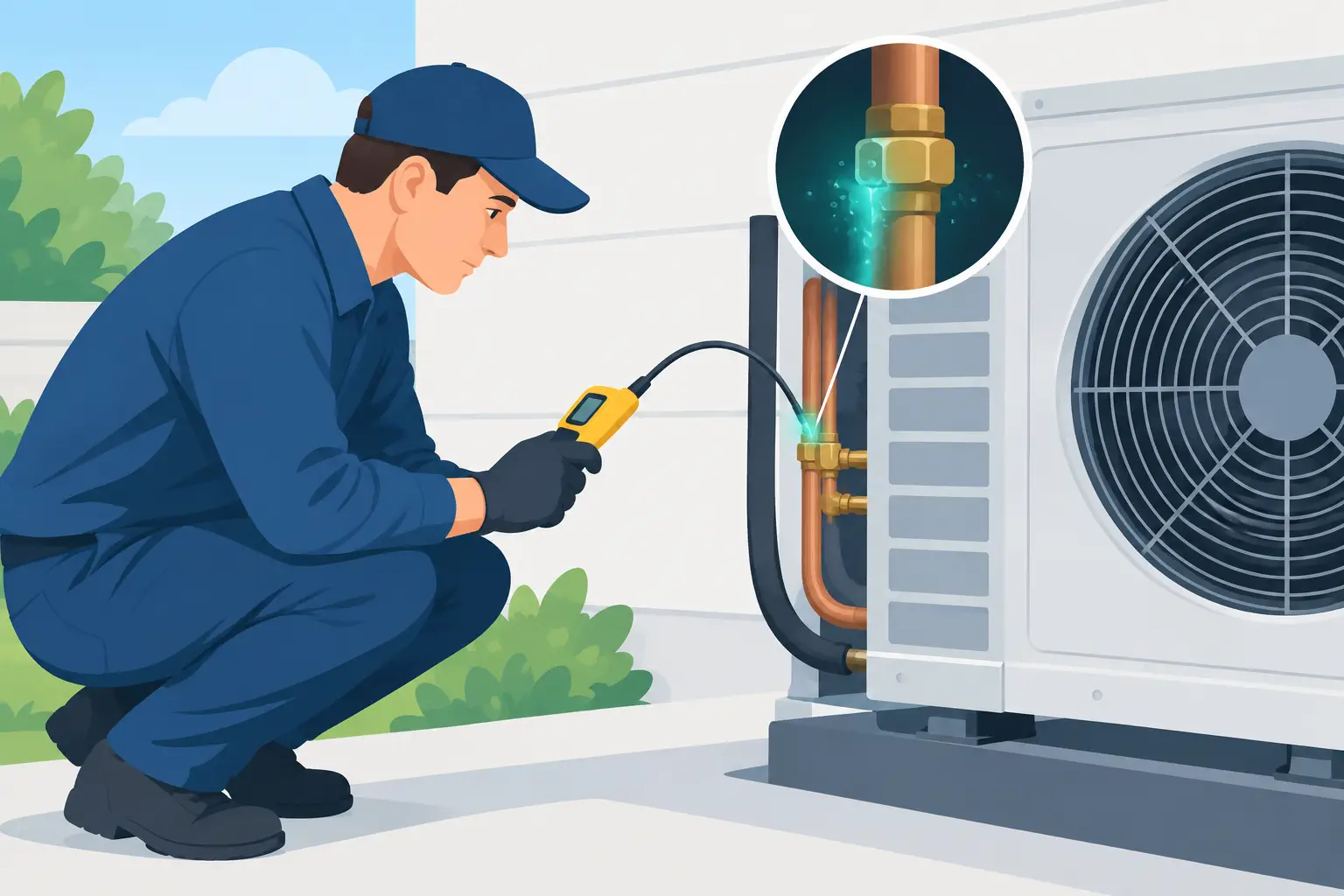
If you smell gas, hear a hissing sound near a gas line, or suspect a gas leak, leave the building immediately. Do not turn lights, appliances, or switches on or off. Call your gas utility or emergency services from a safe location, then arrange for qualified HVAC service once the area is cleared.
A dirty flame sensor or failed safety switch
The flame sensor confirms that the burners are operating correctly. When it is dirty or failing, the furnace may light for only a few seconds and then shut off. This is a common repair, but it is not simply a matter of wiping off a part. The technician should inspect the full ignition sequence and verify safe operation.
A failed pressure switch, limit switch, inducer motor, or venting component can also prevent heat. These safety devices are designed to stop furnace operation when airflow, combustion, or exhaust conditions are not right. Bypassing them is dangerous and should never be attempted.
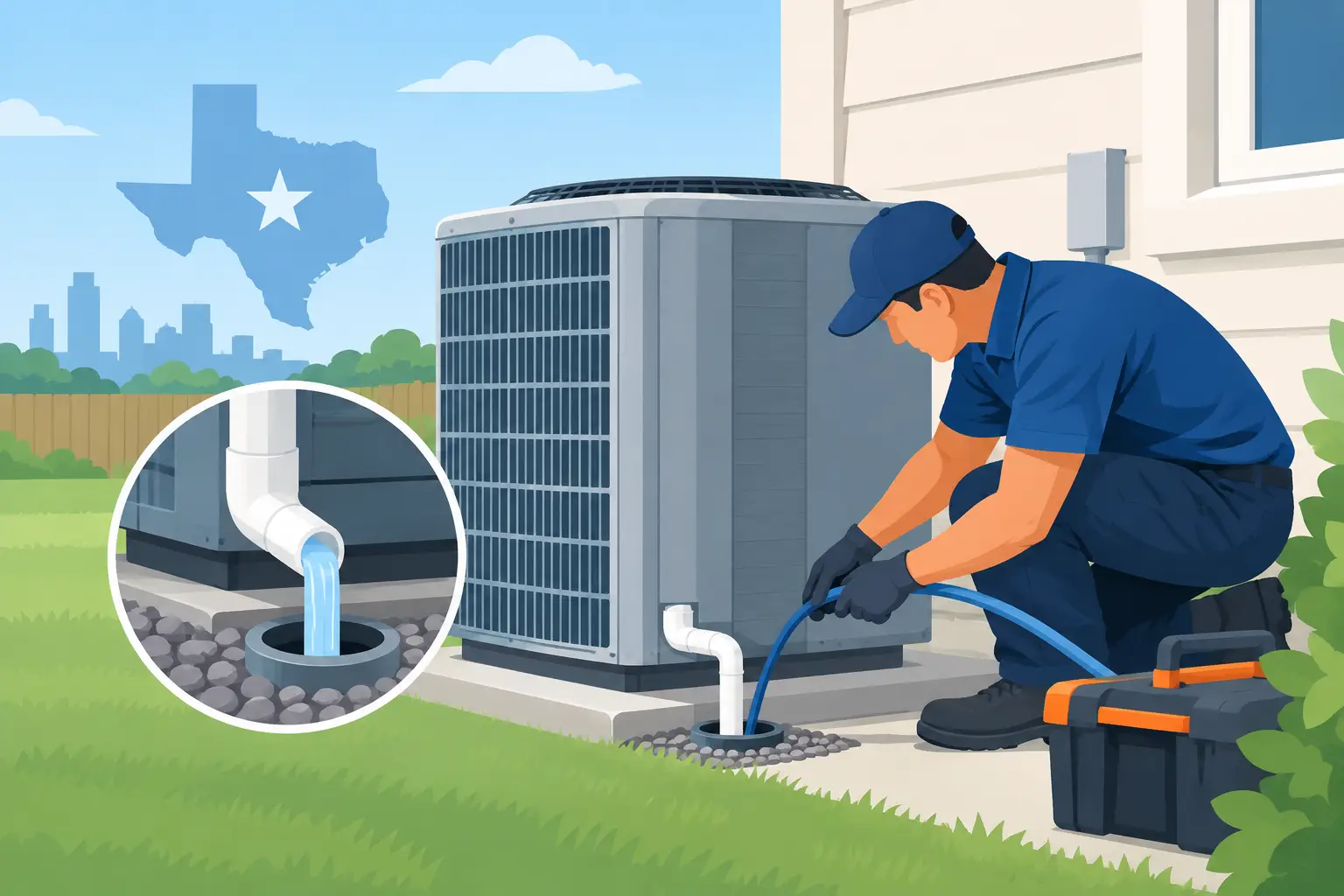
Blocked exhaust or condensate drainage
High-efficiency furnaces often vent through PVC pipes that exit near the exterior of the home. Leaves, nesting material, ice, or other debris can obstruct those pipes. A blocked intake or exhaust can keep the furnace from running safely.
Check only what is visible and reachable from outside. Do not disassemble vent piping or poke deeply into a vent. Texas weather can bring wind-blown debris and sudden freezes, both of which can affect outdoor terminations and drainage lines.
When No Heat Is an Emergency
No heat becomes more than an inconvenience when indoor temperatures drop quickly, young children or older adults are in the home, or a business has employees, customers, or temperature-sensitive equipment to protect. Frozen pipes are another concern during a hard freeze.
Call for prompt professional service if you notice burning odors that do not fade quickly, soot around the furnace, unusual banging or screeching, a repeatedly tripping breaker, water pooling near the unit, or frequent short cycling. A carbon monoxide alarm sounding is an immediate safety matter. Get everyone outside, call emergency services or the fire department, and do not reenter until the home has been declared safe.
Do not use an oven, grill, or unvented fuel-burning appliance to heat your home. Space heaters can provide limited temporary comfort when used carefully, but keep them on a stable surface, away from fabrics and walkways, and plugged directly into a wall outlet.
What a Professional Furnace Visit Should Include
A proper no-heat diagnosis should go beyond replacing the first part that looks suspicious. The technician should evaluate thermostat operation, voltage, airflow, filter condition, ignition sequence, burners, flame sensing, safety controls, venting, and the condition of related components.
That inspection helps distinguish a straightforward repair from a system that is becoming unreliable. For a furnace over 10 years old with recurring breakdowns, rising repair costs, or uneven heating, replacement may eventually make financial sense. But age alone does not mean replacement is the right answer. A well-maintained system may have plenty of useful life left, and a repair-first assessment protects your budget.
Preventive maintenance is the best way to catch many of these issues before the first cold front. A seasonal heating check can identify worn igniters, dirty sensors, drainage issues, restricted airflow, and combustion concerns before they leave your family without heat.
When the heat goes out, start with the safe basics, then let a qualified local technician handle the work behind the furnace panel. Custom Climates believes your comfort should come with clear answers, dependable workmanship, and a recommendation that fits your home, timeline, and budget.


[…] Previous […]