
A furnace rarely quits at a convenient time. It is often during the first hard cold snap in North Texas, when the system has been sitting unused for months and every room in the house suddenly feels colder by the minute. If you are asking what can cause a furnace to stop working, the answer can range from a simple thermostat setting to a safety-related equipment issue that needs professional attention.
Some problems are safe to check before you call. Others should never be treated as a do-it-yourself repair, especially when gas, electrical components, or carbon monoxide may be involved. Knowing the difference can protect your comfort, your budget, and your household.
What Can Cause a Furnace to Stop Working?
Furnaces depend on several parts working in the correct order: the thermostat calls for heat, the safety switches confirm safe operation, the ignition system lights the burners, and the blower moves warm air through the property. When one step fails, the furnace may not start, may blow cool air, or may shut down shortly after it begins.
The most common causes include thermostat and power problems, restricted airflow, ignition failures, fuel supply issues, blocked venting, and worn mechanical parts. Age also matters. A furnace that is more than 10 to 15 years old may still be repairable, but repeat breakdowns and declining efficiency deserve an honest conversation about repair costs versus replacement.
Thermostat settings, batteries, or wiring issues
Start with the thermostat because it is one of the easiest issues to rule out. Confirm it is set to Heat, not Cool or Fan Only, and set the temperature at least a few degrees above the current room temperature. If the display is blank or fading, replace the batteries if your thermostat uses them.
A tripped breaker, a loose low-voltage wire, or a failed thermostat can also keep the furnace from receiving a call for heat. If the thermostat appears normal but the system does nothing, check the electrical panel for a tripped HVAC breaker. Reset it once if needed. If it trips again, leave it off and schedule service rather than repeatedly resetting it.
A dirty air filter restricting airflow
A clogged filter is a small maintenance problem that can create a larger heating failure. When airflow is restricted, the furnace can overheat. Its high-limit safety switch may shut the burners down to prevent damage, leaving you with little heat or a system that starts and stops repeatedly.
Check the filter monthly during periods of regular use and replace it as recommended by the manufacturer. Homes with pets, construction dust, or family members with allergies may need more frequent changes. Make sure the replacement filter is the correct size and airflow rating for your equipment. An overly restrictive filter can cause trouble, too.
Keep supply vents open and clear of furniture, rugs, and boxes. Closing too many vents does not reliably save energy and can interfere with proper airflow through the system.
Ignition or pilot light problems
Older furnaces may use a standing pilot light, while most newer units use an electronic igniter or hot surface igniter. If the pilot is out or the igniter has failed, the burners cannot light. You may hear the furnace try to start, click a few times, and then shut down.
Ignition problems can also be caused by a dirty flame sensor. This small safety component confirms that a flame is present after ignition. If it cannot detect the flame, the furnace shuts off the gas as a safety measure. That protection is essential, but the symptoms can look like a furnace that keeps cycling without producing heat.
Do not bypass a flame sensor or attempt to modify gas controls. These are jobs for a trained HVAC technician who can clean, test, and replace components safely.
Fuel supply or gas valve concerns
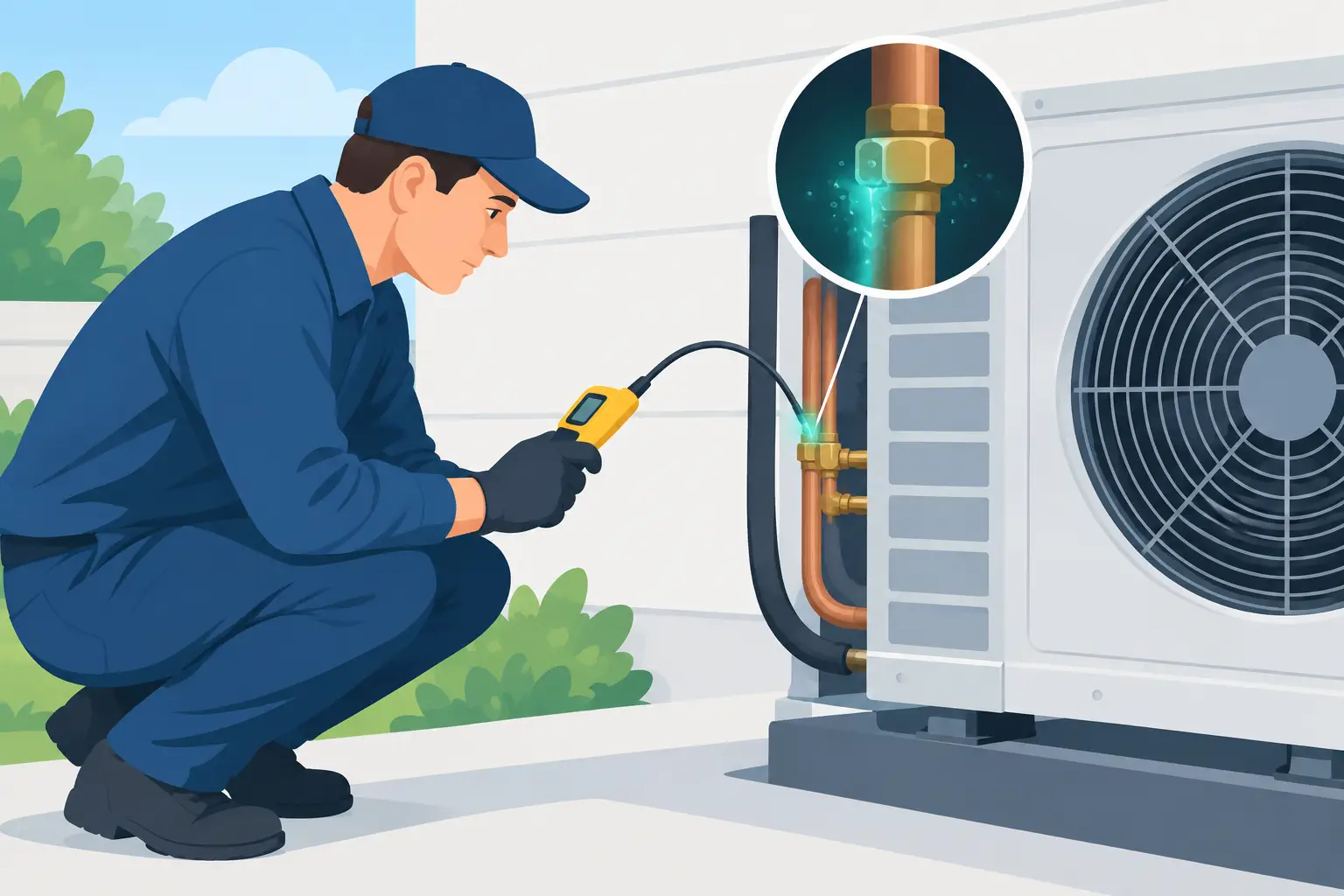
For a natural gas furnace, the gas supply must be available and the gas valve must operate correctly. If other gas appliances in the building are not working, there may be a utility interruption or an issue with the main gas supply. A closed furnace gas shutoff valve can also prevent ignition, especially after work has been done nearby.
If you smell gas, hear hissing near a gas line, or suspect a leak, do not try to restart the furnace. Leave the building, avoid switches and open flames, and contact your gas utility or emergency services from a safe location. Once the immediate concern is addressed, an HVAC professional can inspect the furnace before it is returned to service.
Blocked intake or exhaust venting
High-efficiency furnaces use intake and exhaust pipes, often routed through an exterior wall. Leaves, dirt, nests, ice, or other debris can block these pipes and prevent safe operation. The furnace may shut down because it cannot vent combustion gases correctly.
Take a visual look at the outdoor pipe openings from the ground. Remove loose debris around them, but do not insert tools deep into the vent or take apart vent connections. A hidden blockage, improper slope, damaged pipe, or internal condensate problem requires professional diagnosis.
This concern is especially relevant after storms, freezing weather, or landscaping work. A quick seasonal inspection can help avoid a no-heat call when temperatures drop.
A full condensate drain or pressure switch issue
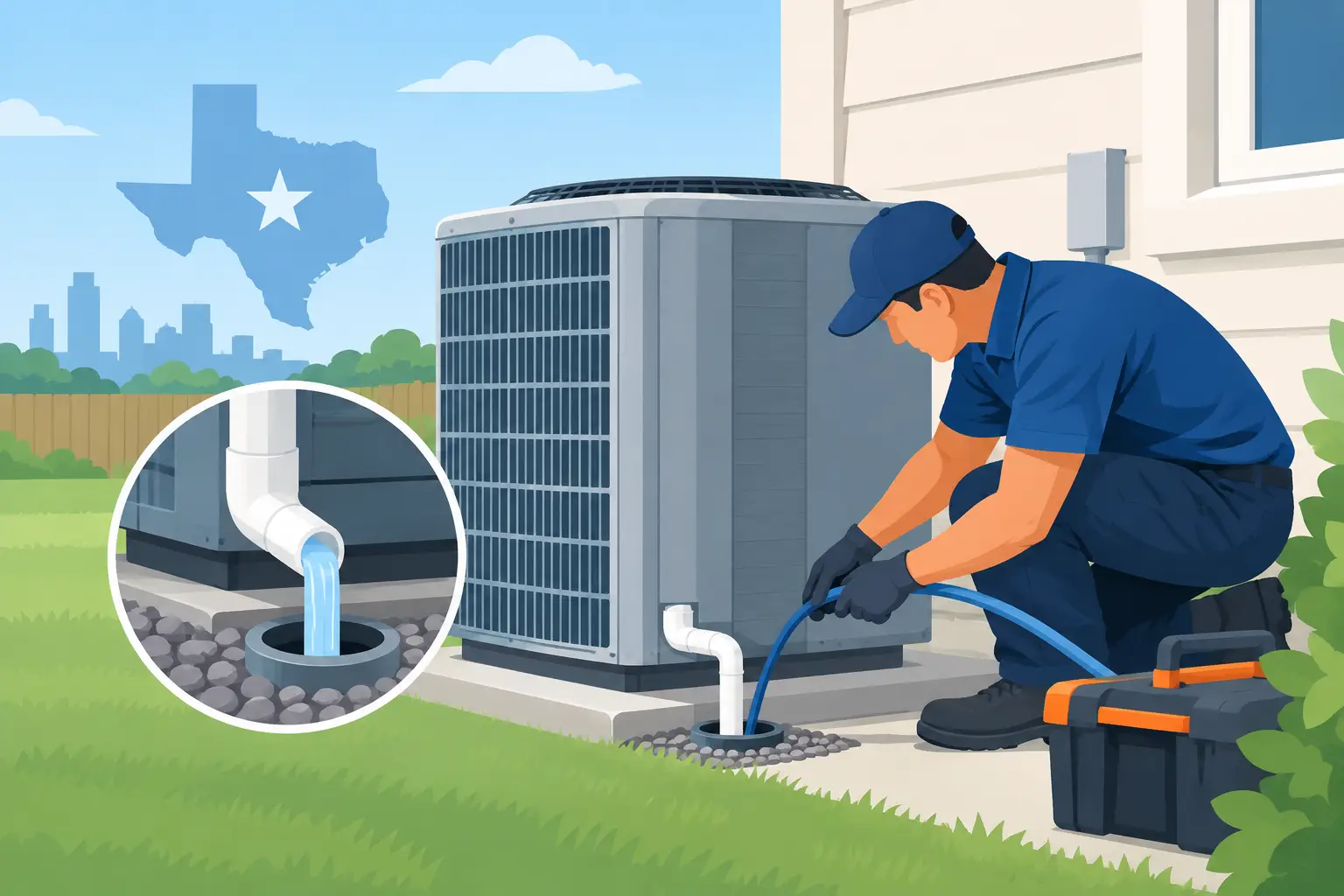
Many modern furnaces create condensation as they operate. That water must drain properly. When a condensate trap or drain line becomes clogged, water can back up and trigger a safety switch. The furnace may refuse to start or stop during a heating cycle.
Pressure switches also verify that the venting system is moving air as designed. A pressure switch fault does not always mean the switch itself is bad. It may point to a blocked vent, drain issue, failing inducer motor, or another airflow problem. Replacing parts without diagnosing the cause can lead to unnecessary expense and another breakdown later.
Blower motor, capacitor, or control board failure
A furnace can make heat at the burners but still fail to warm the building if the blower cannot distribute it. A worn blower motor, weak capacitor, damaged belt on older equipment, or failed control board can interrupt that process. You may hear humming, rattling, or unusual clicking, or you may feel warm air near the furnace but little airflow at the vents.
Electrical repairs require care. Capacitors can hold a dangerous charge even after power is turned off, and control board problems may be caused by wiring faults elsewhere in the system. A technician can test the components, identify the actual failure, and explain whether repair makes financial sense.
Signs You Should Stop Troubleshooting and Call for Service
Homeowners can safely verify thermostat settings, check a filter, make sure vents are unobstructed, and look for a tripped breaker. Beyond those basic checks, it is wise to call a professional if the furnace will not ignite, keeps shutting off, blows cold air, makes loud or unfamiliar sounds, or shows an error code.
Call for immediate help if you smell gas, notice soot around the furnace, see a yellow or flickering burner flame instead of a steady blue flame, or if a carbon monoxide alarm sounds. Leave the property if there is a possible carbon monoxide or gas emergency. Carbon monoxide has no reliable smell or color, which is why working carbon monoxide detectors are a must in any home or business with fuel-burning equipment.
For commercial properties, do not wait until employee comfort is affected or pipes are at risk in an unheated area. A furnace that is short-cycling or producing uneven heat can become a larger disruption quickly, particularly in offices, retail spaces, and facilities with extended operating hours.
Preventing the Next No-Heat Surprise
Preventive maintenance cannot stop every part from wearing out, but it catches many problems before they become an after-hours emergency. A professional heating tune-up typically includes checking safe ignition, inspecting electrical connections, testing system controls, reviewing airflow, examining venting, and looking for early signs of wear.
Maintenance is also the right time for a straightforward conversation about an aging furnace. Repair-first service means fixing what can reasonably be fixed, not pushing replacement before it is necessary. Still, if repair needs are becoming frequent, efficiency is poor, or key components are failing, planning a replacement on your timeline may be less stressful than waiting for a complete failure.
Custom Climates helps North Texas homeowners and businesses understand what is wrong, what repair options are available, and what each option means for comfort and cost. The goal is dependable heat and clear guidance, not a one-size-fits-all recommendation.
When your furnace stops working, start with the safe basics, pay attention to warning signs, and do not ignore a problem that keeps returning. A timely inspection can often turn a cold-house emergency into a manageable repair and help keep your family or workplace comfortable when winter weather arrives.


[…] A dirty filter, weak igniter, worn blower component, loose electrical connection, or thermostat problem may not be obvious when the system is off. Once heat is needed, however, those issues can lead to uneven temperatures, repeated cycling, strange sounds, higher utility costs, or a complete shutdown. […]
[…] right recommendation depends on what the system needs. A clogged filter, worn capacitor, failing igniter, dirty flame sensor, or loose electrical connection may be a straightforward repair. Replacing a […]