
A furnace that quits on a cold North Texas morning creates an immediate question: how much will this cost to fix? Heating furnace repair cost can range from a relatively small service repair to a major investment, depending on what failed, how old the equipment is, and whether the issue is caught early. The good news is that a furnace problem does not automatically mean you need a new system.
A qualified HVAC technician should identify the actual cause, explain the repair clearly, and help you weigh the cost against your system’s condition. For many Celina, Van Alstyne, and Dallas-Fort Worth homeowners and business owners, a timely repair is the most practical way to restore safe, dependable heat without taking on an unnecessary replacement.
Typical Heating Furnace Repair Cost in Texas
Most furnace repairs fall somewhere between $150 and $1,000, including parts and labor, although the final price can be lower or significantly higher. A diagnostic visit or service call may be separate from the repair itself. Emergency, after-hours, weekend, and holiday service can also affect the total.
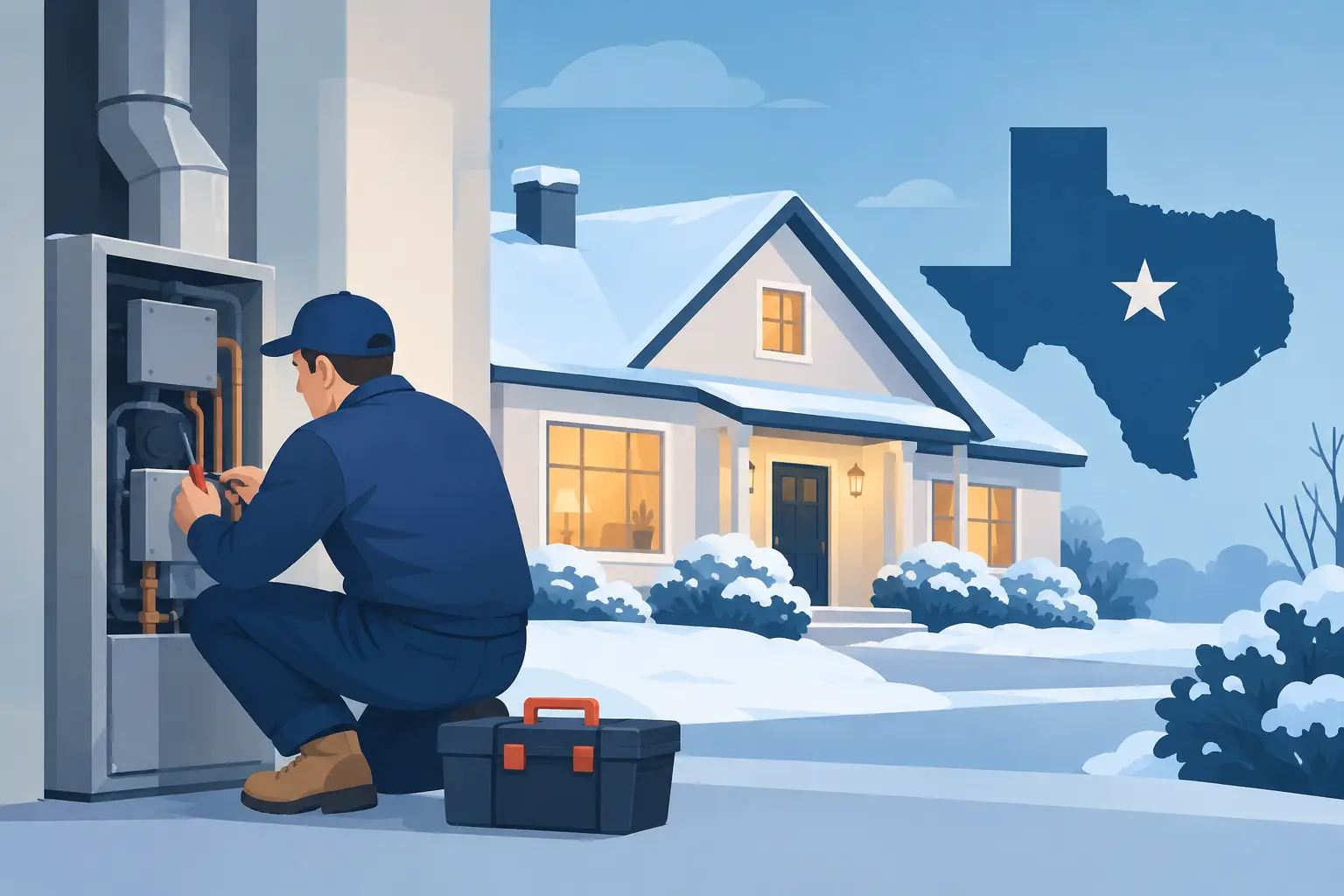
Smaller repairs often involve components that help the furnace start, sense a flame, or communicate with the thermostat. Larger repairs may involve the blower assembly, control board, gas valve, or heat exchanger. Access to the equipment matters, too. A furnace in a difficult attic location can require more labor than one located in an easy-to-reach utility closet.
These are general planning ranges, not a quote. Equipment make and model, available parts, warranty coverage, and the specific issue all matter. A professional diagnosis is the only reliable way to know what your furnace needs and what it will cost before work begins.
Common furnace repair ranges
A dirty flame sensor is often one of the more affordable repairs, commonly falling around $100 to $300. A failed ignitor may run roughly $150 to $450, depending on the furnace and part required. Pressure switch repairs can often land in the $150 to $450 range.
Thermostat problems may cost about $150 to $500, particularly if wiring, compatibility, or a new smart thermostat is involved. Blower motor repairs or replacements are usually more substantial and may range from $300 to $900 or more. A failed control board can commonly cost $400 to $1,000, depending on the model.
Heat exchanger problems are in a different category. A repair or replacement can cost $1,000 to $3,500 or more, and in an older furnace, replacement may be the more sensible long-term choice. Because a damaged heat exchanger can create a carbon monoxide safety concern in gas furnaces, it should always be evaluated promptly by a trained professional.
What Drives Furnace Repair Costs Higher?
The part itself is only one part of the bill. Labor time, system accessibility, parts availability, and the condition of the rest of the equipment can change the final number.
Age is a major factor. A well-maintained furnace may provide 15 to 20 years of service, but repair decisions become more complicated once a unit reaches 10 to 15 years old. Older systems can have discontinued parts, less efficient operation, and multiple worn components. Fixing one issue may restore heat today, but it does not erase the possibility of another repair later in the season.
The type of furnace matters as well. Gas furnaces require careful inspection of combustion, venting, ignition, and safety controls. Electric furnaces have different components, such as heating elements and sequencers. Heat pump systems also provide heating in many Texas homes, and their repair costs follow a different set of components and diagnostics.
Timing can add expense. Calling for help at the first sign of trouble usually gives you more options than waiting until the furnace stops working on the coldest night of the year. A unit that runs but blows cool air, cycles on and off repeatedly, makes new noises, or raises your utility bill is asking for attention.
Repair or Replace: How to Make the Right Call
There is no honest one-size-fits-all answer. A repair is often the right choice when the furnace is under 10 years old, has a solid maintenance history, and needs a common component such as an ignitor, sensor, capacitor, or thermostat.
Replacement deserves a closer look when the furnace has recurring breakdowns, costly safety-related damage, poor efficiency, or a repair estimate that represents a large share of the cost of a new system. If your furnace is near the end of its expected life, a major repair may only delay a larger decision.
A helpful rule of thumb is to consider both the repair cost and the system’s overall condition. For example, spending a few hundred dollars to repair a seven-year-old furnace is very different from spending several thousand dollars on a 17-year-old unit with a history of problems. Comfort needs, budget, future plans for the property, and energy use all belong in the conversation.
At Custom Climates, the goal is to give you a clear recommendation based on your equipment and priorities, not pressure you into buying something you do not need. If a repair makes sense, that should be stated plainly. If replacement offers better value and reliability, you deserve to know why.
When a Furnace Problem Needs Immediate Attention
Some furnace concerns can wait for a scheduled appointment. Others should be treated as urgent. Turn the system off and request professional service if you smell gas, notice a burning or electrical odor, hear loud banging or screeching, see soot around the unit, or have a carbon monoxide alarm activate.
If you smell natural gas, leave the building, avoid switches and open flames, and contact your gas utility or emergency services from a safe location. Do not try to troubleshoot a gas odor yourself.
A furnace that will not turn on may not always be a major repair, but it still deserves a proper check. Before calling, make sure the thermostat is set to Heat, replace weak thermostat batteries if applicable, check that the furnace switch is on, and confirm the circuit breaker has not tripped. A clean air filter also matters. A severely clogged filter can restrict airflow, contribute to overheating, and lead to shutdowns.
How Maintenance Helps Control Repair Costs
Preventive maintenance cannot stop every part from wearing out, but it can catch developing issues before they become an inconvenient no-heat call. During a heating tune-up, a technician can inspect electrical connections, test safety controls, check ignition and burner operation, evaluate airflow, and look for signs of wear.
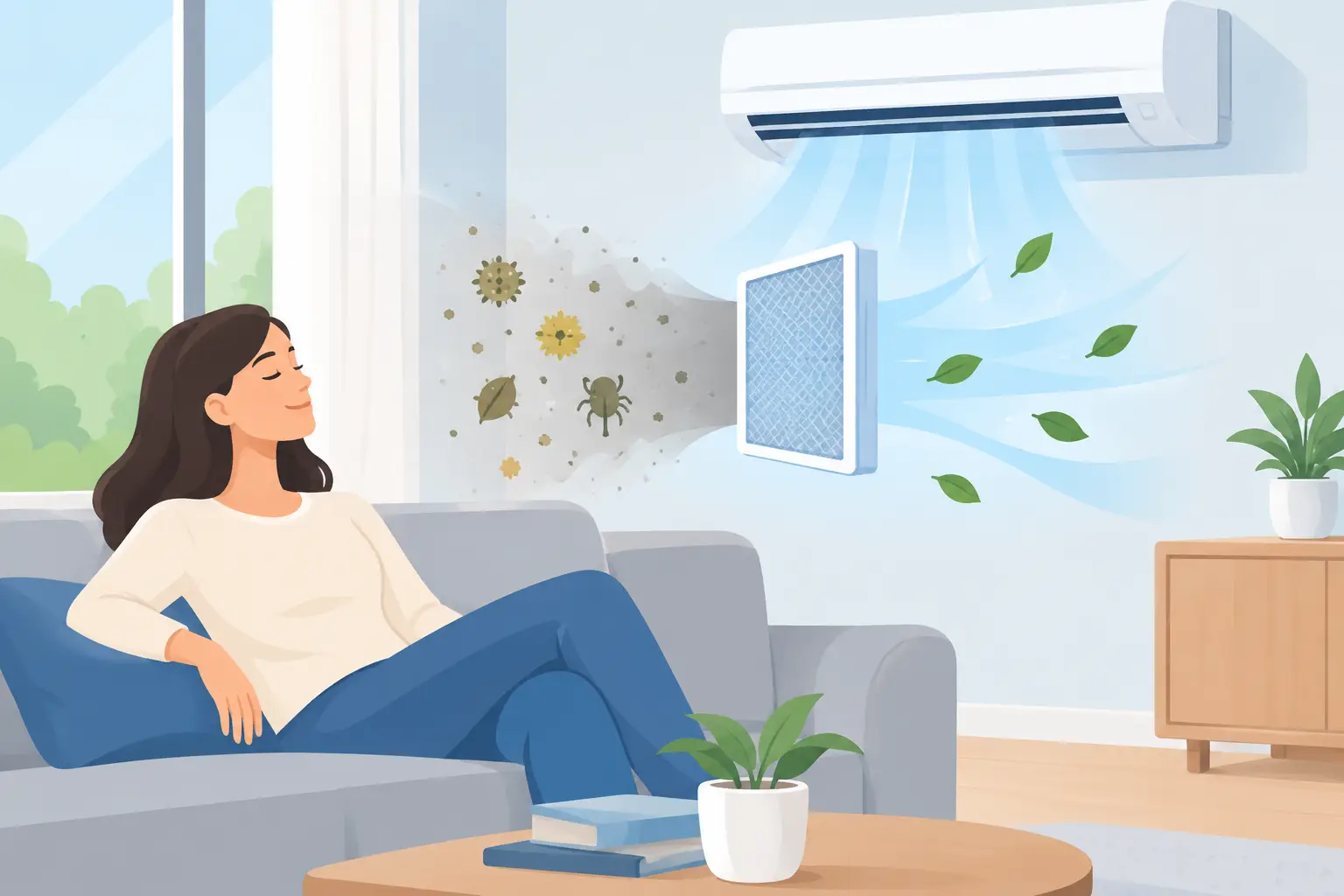
For homeowners, changing filters on schedule is one of the simplest ways to protect the system. The right interval depends on filter type, pets, allergies, household activity, and how often the system runs, but many homes need attention every one to three months. Keep supply and return vents clear, and do not store items around indoor HVAC equipment.
For commercial properties, regular service is especially valuable because a heating failure can affect employees, tenants, customers, inventory, and daily operations. A planned maintenance schedule makes budgeting easier and gives facility decision-makers a clearer picture of equipment condition before a problem becomes urgent.
Get a Clear Answer Before Approving Repairs
When your heater is not keeping up, you should not have to guess whether the recommendation is fair. Ask for a clear explanation of the failed part, what caused the issue if known, the full repair estimate, and whether the work is covered by a parts or labor warranty. If replacement is discussed, ask how the new equipment would improve reliability, efficiency, and comfort for your specific property.
The right HVAC partner will respect your budget while keeping safety at the center of the decision. A prompt inspection, an honest estimate, and regular maintenance can help you protect your furnace, your comfort, and the people who depend on your space to stay warm.
Leave A Comment