
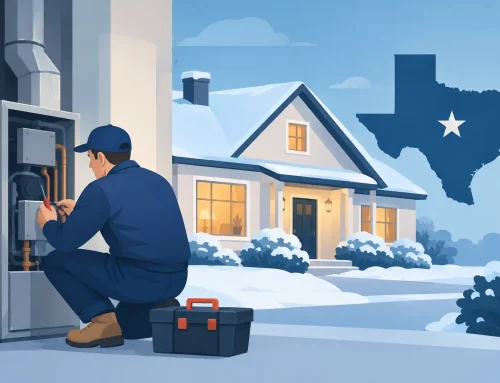
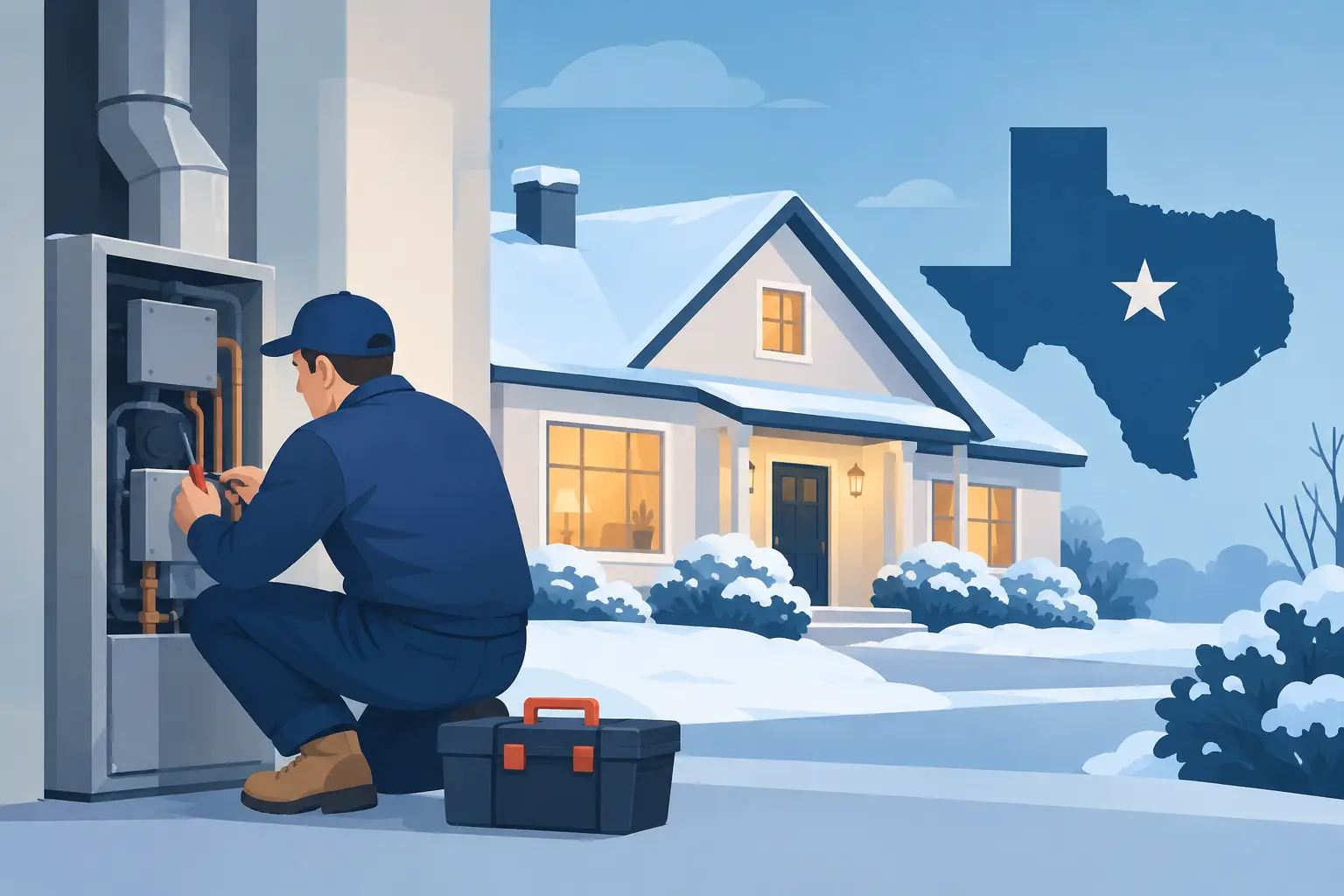
A Texas cold front can turn a home from comfortable to miserable in a single night. When your heater starts blowing cool air, running constantly, or refusing to start, heating and furnace service is not something to put off until the weather improves. Prompt attention protects your comfort, helps prevent a small issue from becoming a major repair, and gives your household or business a safer, more dependable system when it matters most.
For families and property managers in Celina, Van Alstyne, and across North Texas, the goal is not simply to get heat back for the moment. It is to understand what went wrong, what the practical repair options are, and whether your equipment can continue serving the property reliably. A trustworthy HVAC professional should explain that clearly, respect your budget, and never push replacement when a sound repair is the better answer.
When to Schedule Heating and Furnace Service
Most heating problems give warning signs before the system stops completely. Paying attention early can reduce downtime during a cold spell and may keep a repair more manageable. If a furnace or heat pump is making unusual noises, producing uneven temperatures, or causing an unexpected rise in energy bills, it deserves a professional inspection.
A few warning signs are especially worth acting on:
- The system turns on and off repeatedly without warming the space properly.
- Air from supply vents feels cool, weak, or inconsistent from room to room.
- You notice rattling, squealing, grinding, or booming sounds during operation.
- The thermostat setting and the indoor temperature no longer seem to match.
- A gas furnace has yellow burner flames, soot, a burning odor that does not fade, or a carbon monoxide alarm activates.
A brief dusty smell when heat runs for the first time each season can be normal. Dust settles on components during Texas’s long cooling season and burns away after a short time. A persistent electrical, burning, or gas odor is different. Turn the system off if it is safe to do so, leave the area if you suspect a gas leak or carbon monoxide concern, and seek immediate professional help.
What a Professional Heating and Furnace Service Visit Should Cover
Good service is more than a quick thermostat adjustment. A technician should look at the full heating system because comfort problems often come from a combination of equipment, airflow, controls, and maintenance needs.
For a gas furnace, that may include inspecting the burners, ignition system, flame sensor, heat exchanger, venting, blower motor, safety switches, electrical connections, and filter condition. The technician should also verify that the unit starts, cycles, and shuts down correctly. Those details matter because furnaces create heat through combustion, and safe operation is every bit as important as warm air.
For a heat pump, the inspection focuses on both the indoor and outdoor portions of the system. Heat pumps are common in North Texas because they provide efficient heating through much of the winter and also handle air conditioning. When temperatures dip lower, the system may use auxiliary heat to maintain comfort. A technician can check refrigerant performance, defrost operation, electrical components, airflow, and thermostat settings to make sure the equipment is responding as intended.
The right recommendation depends on what the system needs. A clogged filter, worn capacitor, failing igniter, dirty flame sensor, or loose electrical connection may be a straightforward repair. Replacing a system should be a conversation based on equipment age, repair history, efficiency, comfort needs, available warranties, and your timeline, not a reflexive sales pitch.
Repair first, replacement when it makes sense
Many homeowners worry that calling for service automatically means being told they need a new furnace. That should not be the standard. If a repair is safe, dependable, and sensible for the condition of your equipment, it should be presented as a real option.
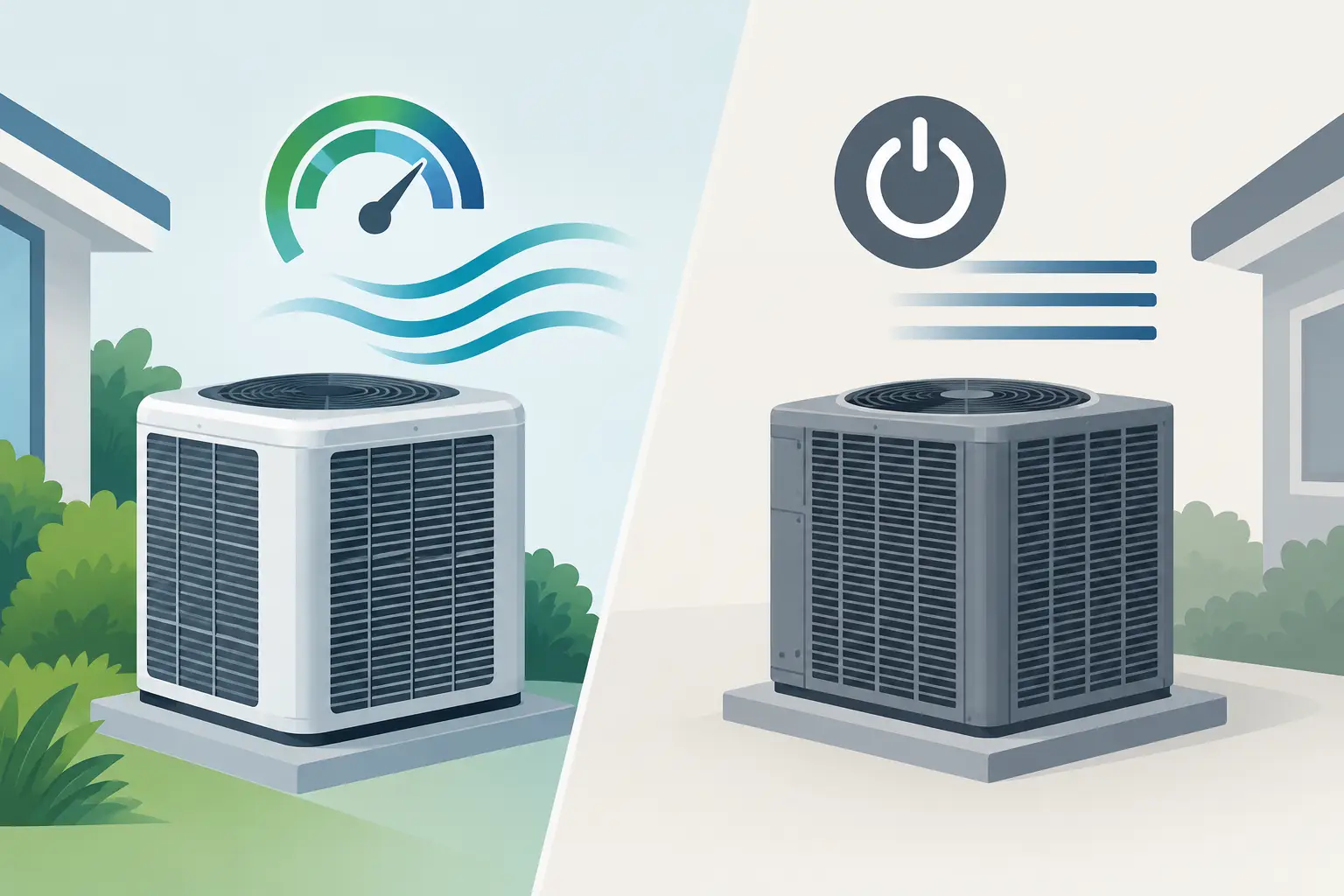
There are times when replacement is worth considering. A system that is more than 10 to 15 years old, needs frequent repairs, has major safety concerns, or struggles to heat the property evenly may no longer be the best value to keep repairing. A newer, properly sized system can reduce energy waste and improve comfort, but only when it is selected for the property rather than treated as a one-size-fits-all answer.
For commercial buildings, the decision can be more complex. Operating hours, occupancy, rooftop equipment condition, zone controls, and the cost of an unexpected shutdown all affect the best path forward. A repair may make sense to protect the current budget, while a planned replacement can help avoid disruption during business hours. The key is receiving clear information so you can make the decision with confidence.
Preventive Service Helps Avoid Cold-Weather Surprises
Heating systems in Texas may sit unused for months, then get called into action when a strong front arrives. That long gap is exactly why preventive maintenance is valuable. An annual heating check gives a technician the chance to spot worn parts, airflow restrictions, safety concerns, and control issues before the system is under heavy demand.
Maintenance can also support efficiency. Restricted airflow makes a furnace or heat pump work harder than necessary. Dirty filters, blocked vents, neglected blower components, and thermostat problems can all contribute to longer run times and higher utility costs. While maintenance cannot prevent every breakdown, it can reduce avoidable strain and help you plan instead of react.
Between visits, homeowners can do a few simple things that make a difference. Change the air filter on the schedule recommended for your home, keep return vents and supply registers clear, and avoid storing boxes or furniture around indoor equipment. For heat pump systems, keep leaves, grass clippings, and debris away from the outdoor unit. If your thermostat uses batteries, replace them before the heating season rather than waiting for a no-heat call.
Comfort Is Also About Air Quality and Airflow
Warm air is not always comfortable air. A house can reach the thermostat setting and still feel dry, dusty, stuffy, or uneven from one room to the next. That is why heating service should consider the whole indoor environment.
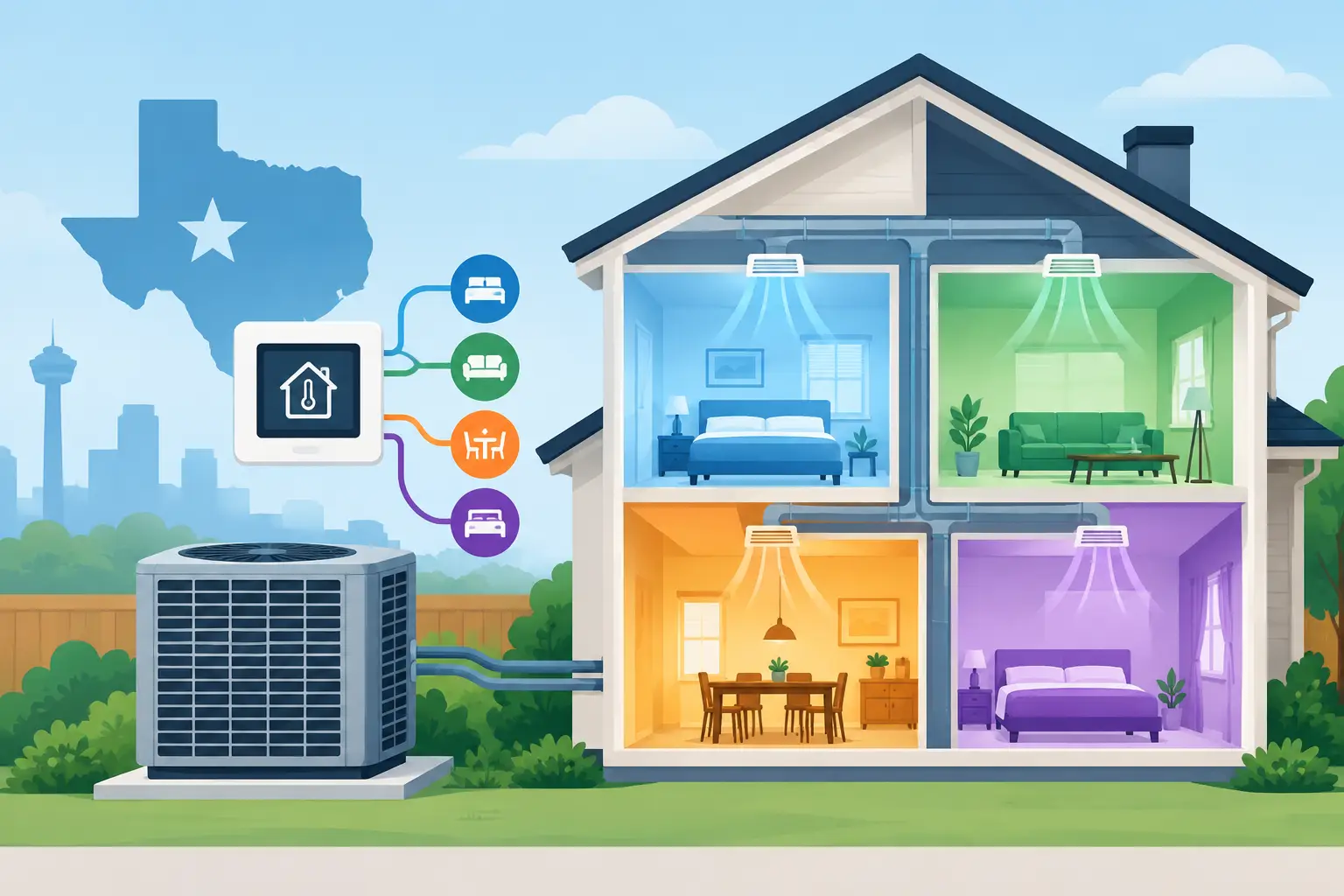
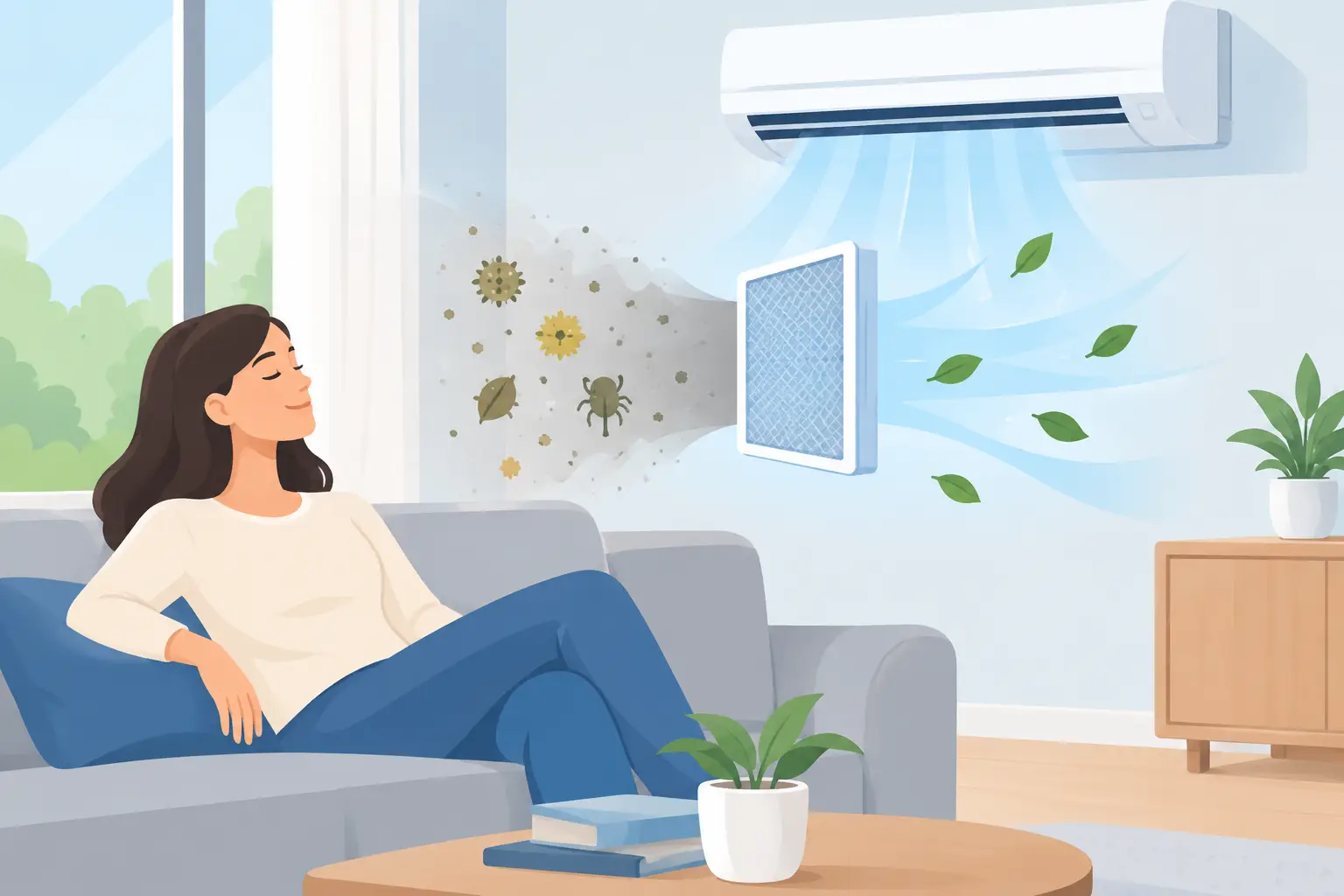
Leaky ducts, undersized return air pathways, dirty equipment, or imbalanced airflow can leave bedrooms chilly while other spaces become too warm. In commercial settings, poor airflow can create uncomfortable work areas and put extra pressure on heating equipment. Indoor air quality solutions may also help households and businesses manage particles, odors, and other concerns, depending on the property and the people using the space.
There is no single add-on that is right for every building. The most useful solution starts with identifying the actual concern, whether that is dust, inconsistent temperatures, allergies, humidity, or an aging system that cannot keep up. Custom Climates takes that property-specific approach because comfort should fit the people and space it serves.
Choosing a Heating Partner You Can Call Again
When heat goes out, fast service matters. So does what happens after the technician arrives. Look for a company that listens to the symptoms, checks the equipment carefully, explains findings in plain language, and gives you room to choose a sensible next step. Clear pricing, dependable workmanship, warranty-backed options, and respect for your home or business should be part of the experience.
A service contract can be especially helpful for customers who want scheduled maintenance and a more proactive way to care for aging equipment. It does not eliminate every repair, but it can help keep maintenance from slipping through the cracks and provide greater peace of mind before the next major temperature swing.
If your heater is acting differently, do not wait for a freezing evening to find out whether it will make it through the season. Schedule a professional check while you still have time to make a calm, informed decision about your comfort.
Leave A Comment