
A North Texas afternoon can put an air conditioner to work before lunch and keep it running well past bedtime. When the temperature stays in the upper 90s or higher for days at a time, summer cooling costs are not just about what thermostat setting you choose. They reflect how hard your system is working, how well your home or building holds cooled air, and whether small HVAC problems are quietly adding up.
The good news is that lowering your bill does not always mean replacing equipment or living in a warmer house. Often, a few practical habits and timely service can reduce energy waste while helping your AC make it through the season more reliably.
Why summer cooling costs rise so quickly
Your air conditioner uses the most electricity when it has to remove heat continuously. Texas heat is part of that equation, but humidity, direct sun, air leaks, duct conditions, insulation, and equipment health all affect the result.
A system that is sized correctly and operating as it should will still run for long stretches during extreme weather. That is normal. What is not normal is an AC that never seems to catch up, blows weak or warm air, cycles on and off repeatedly, or causes a sudden jump in utility costs without a clear change in weather.
For businesses, the challenge can be even greater. Doors opening throughout the day, heat-producing equipment, large windows, unevenly cooled rooms, and varying occupancy can all place extra demand on commercial cooling equipment. The goal is not to make an AC run less at the expense of comfort. It is to make sure every minute it runs is productive.
Start with thermostat habits that protect comfort
A thermostat adjustment can help, but drastic changes usually create more discomfort than savings. Set the thermostat to the highest temperature that feels comfortable for the people in the home or workplace. For many households, that is around 76 to 78 degrees when occupied. Personal comfort, humidity, sun exposure, and health needs should guide the final setting.
Avoid dropping the thermostat very low when you come home to a warm house. Your air conditioner does not cool faster because the setting is lower. It will simply run longer, and may overshoot the temperature you actually wanted.
A programmable or smart thermostat can be helpful when schedules are consistent. Raising the setting a few degrees while a home is empty or a business is closed can reduce unnecessary runtime. However, it depends on the property. In a poorly insulated home or a space with heavy afternoon sun, allowing indoor temperatures to climb too far may mean the system has to work hard for hours to recover. A modest setback is often more practical than a major one.
Give your AC the airflow it needs
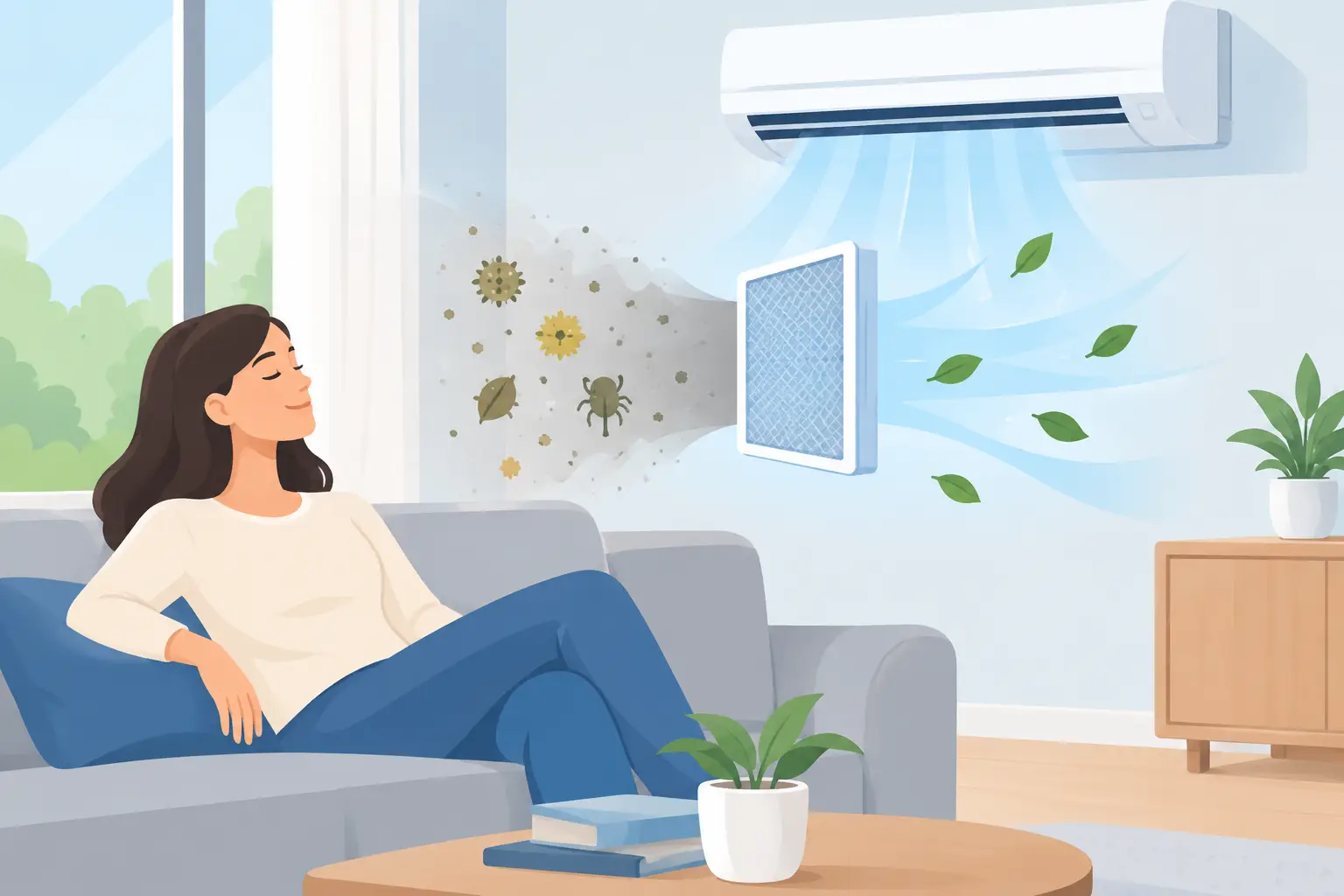
Restricted airflow is one of the most common and preventable reasons an air conditioner works harder than it should. Start with the filter. A dirty filter can limit the amount of air moving across the indoor coil, reduce comfort, and put added strain on the system.
Check filters regularly during heavy-use months. Many homes need a replacement every one to three months, though pets, construction dust, allergies, and filter type can change that schedule. Commercial properties may need more frequent attention due to higher traffic and longer operating hours.
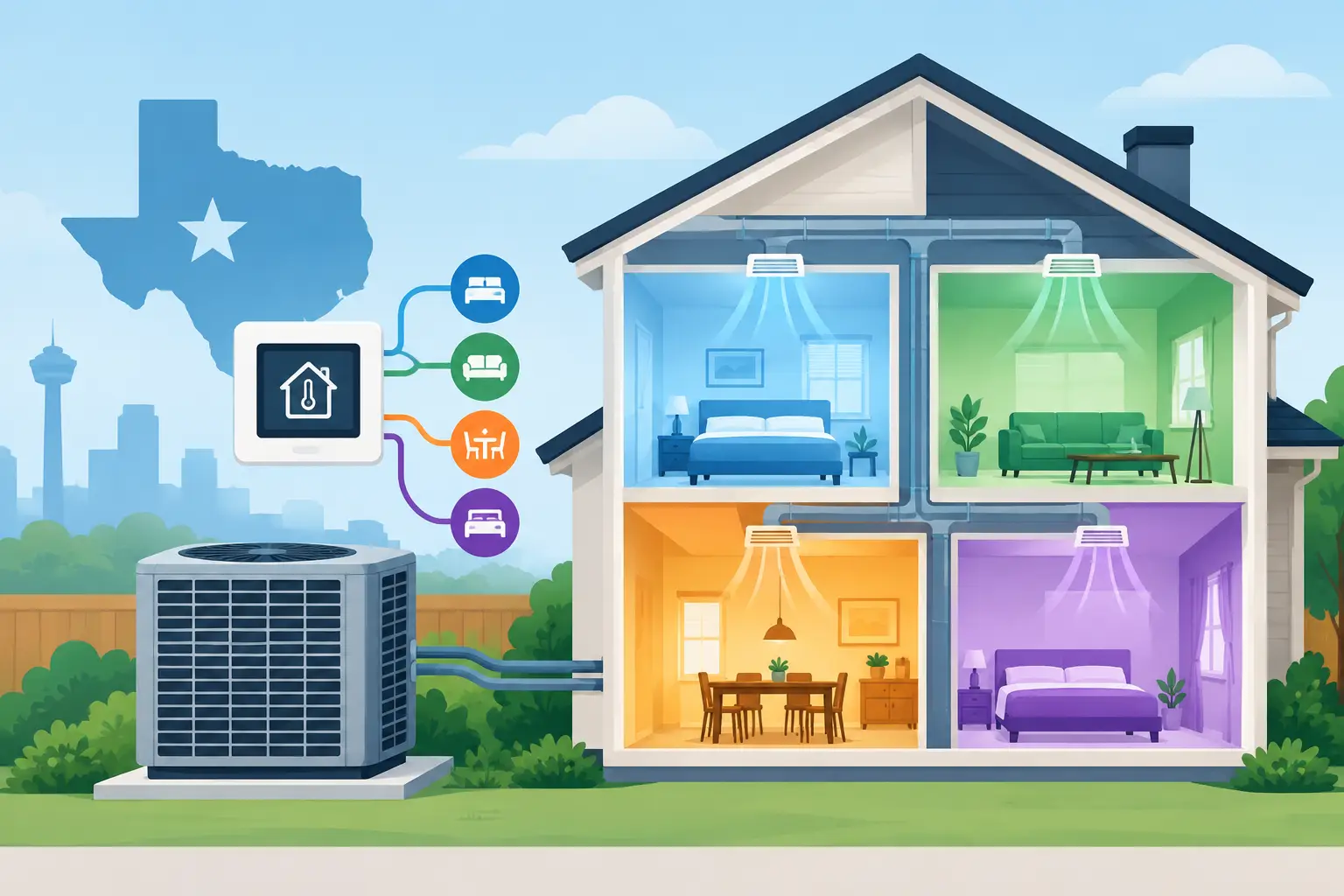
Inside, keep supply vents and return grilles clear of furniture, rugs, boxes, and drapes. Closing vents in unused rooms may seem like a smart way to redirect cooling, but it can disrupt airflow and pressure in systems designed to serve the whole property. Before making changes, it is better to ask an HVAC professional whether your system and ductwork can support that approach.
Outside, the condenser needs breathing room too. Trim grass, weeds, and shrubs away from the unit, and remove leaves or loose debris around it. Do not cover the unit while it is operating or stack items against it. That outdoor equipment is releasing heat from your home, and blocked airflow makes the process less efficient.
Keep heat from entering in the first place
Air conditioning works best when your home or business is not constantly gaining heat faster than the system can remove it. Window coverings make a noticeable difference, especially on west-facing windows that receive intense afternoon sun. Close blinds, curtains, or shades during the hottest part of the day, while still allowing natural light where practical.
Ceiling fans can also help occupants feel cooler by moving air across the skin. They do not lower the actual room temperature, so turn them off when the room is empty. Used properly, they may allow you to raise the thermostat slightly without giving up comfort.
Check doors, windows, attic access points, and other openings for drafts. Worn weatherstripping and gaps around doors can let conditioned air escape and hot air enter. Insulation and air sealing projects can be worthwhile, particularly in older homes, but the right improvement depends on where heat is entering and how the property is built. An HVAC issue and a building-envelope issue can look similar from the thermostat, so it helps to diagnose before spending money.
Do not ignore early signs of AC trouble
A small repair can become an expensive summer breakdown when an air conditioner is forced to run day after day in extreme heat. Strange noises, ice on refrigerant lines, water around the indoor unit, unusual odors, weak airflow, or rooms that suddenly will not cool evenly all deserve attention.
Higher bills can be a warning sign as well. If your habits have stayed about the same but your usage has climbed, the system may be losing efficiency because of a dirty coil, failing capacitor, refrigerant issue, duct leak, thermostat problem, or another mechanical concern. The cause is not always obvious, and guessing can lead to unnecessary repairs or replacement decisions.
A repair-first evaluation matters here. Not every problem means you need a new air conditioner. A qualified technician should inspect the system, explain what is causing the issue, and give you a clear recommendation based on the equipment condition, repair cost, expected reliability, and your budget.
Preventive maintenance helps control cooling expenses
Maintenance is not a guarantee against every failure, especially during a Texas heat wave. It does, however, give a technician the chance to find developing issues before they turn into an emergency. A seasonal visit typically includes checking electrical components, refrigerant performance, condensate drainage, airflow, thermostat operation, and the condition of key parts.
A clean, properly operating system has a better chance of delivering the efficiency it was designed to provide. Maintenance also helps protect the equipment from avoidable wear. That can be especially valuable for systems that are already several years old or that cool larger homes and busy commercial spaces.
For property owners managing multiple systems, a service contract can make scheduling easier and create a more consistent maintenance record. The best choice depends on the age of the equipment, how critical uninterrupted cooling is to your household or operation, and whether you prefer planned upkeep over reacting to problems as they arise.
When replacement may lower long-term costs
Repair is often the right answer, but there are times when replacement deserves a serious conversation. An AC system that is more than 10 to 15 years old, needs frequent repairs, uses outdated refrigerant, or struggles to maintain comfort may cost more to keep running than it appears on a single invoice.
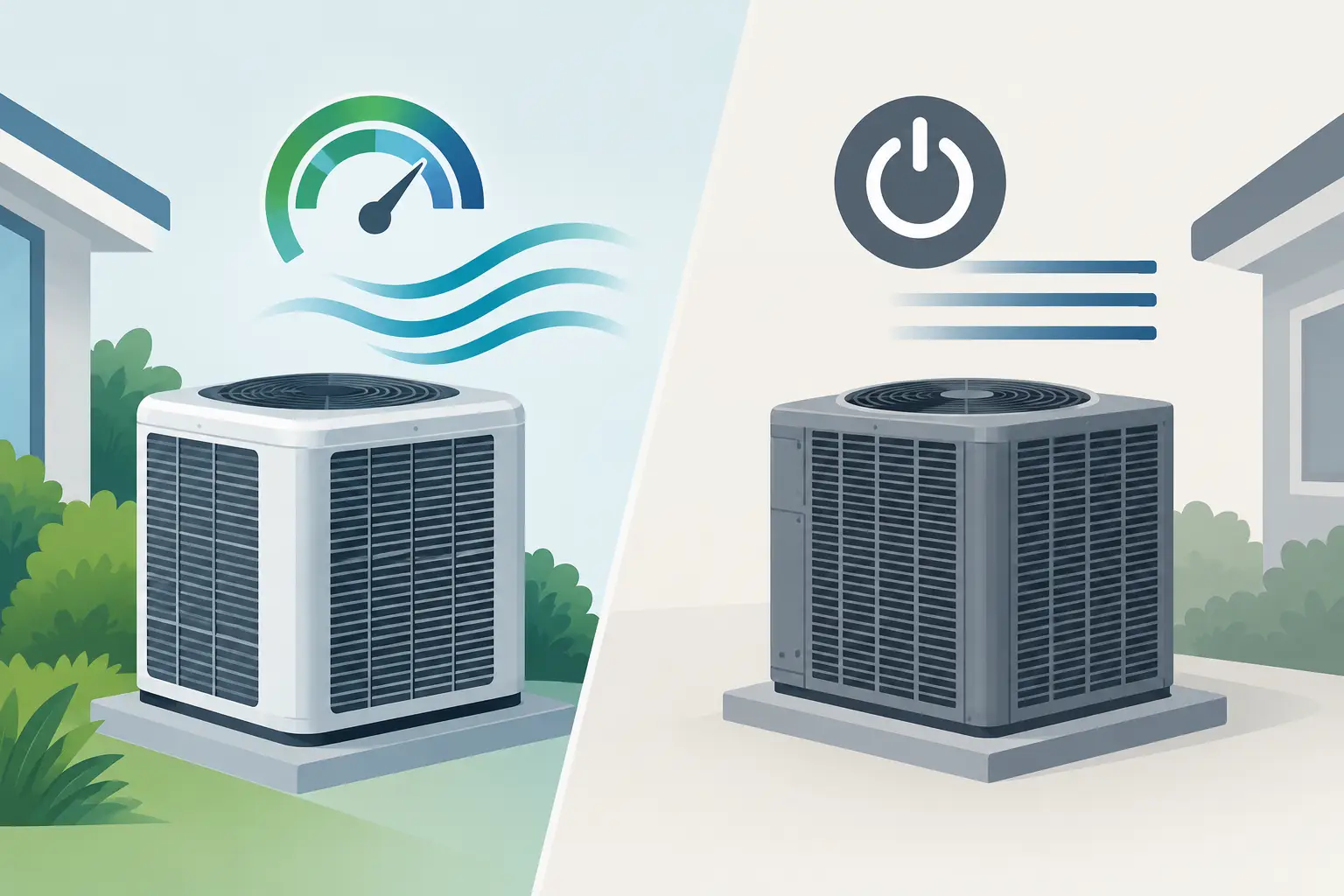
Newer equipment can offer improved efficiency, but efficiency ratings alone should not make the decision. An oversized unit can cycle too quickly and leave humidity behind. An undersized unit may run constantly. Ductwork, insulation, room layout, indoor air quality needs, and budget all matter when selecting equipment.
That is why one-size-fits-all recommendations rarely serve Texas homeowners or businesses well. Custom Climates looks at the property and the customer’s comfort goals before recommending repair, maintenance, or replacement options. The right solution should solve the actual problem without pushing equipment you do not need.
A practical plan for the hottest weeks
When a heat wave is in the forecast, take a few minutes to check the basics: replace a dirty filter, clear the outdoor unit, make sure vents are open and unobstructed, and close window coverings against direct sun. Then pay attention to how the system sounds and performs.
If the AC is running constantly but indoor temperatures keep rising, do not wait until the system quits completely. Prompt professional service can protect your comfort, help prevent further damage, and give you a clearer picture of what your system needs. In Texas, dependable cooling is not a luxury during the summer. It is part of keeping your family, customers, employees, and property safe and comfortable.
A little attention before the next stretch of triple-digit heat can make your home or business easier to cool, easier on the equipment, and easier on the monthly budget.
Leave A Comment