
A North Texas air conditioner can run hard for months without much of a break. Then, just when cooler weather arrives, your heater has to be ready for a sudden cold snap. That is where HVAC maintenance plan benefits become more than a nice extra. Regular, professional care helps protect the equipment your family or business depends on when Texas weather is at its most demanding.
A maintenance plan is not a promise that an HVAC system will never need a repair. Every mechanical system has wear items, and age eventually catches up with even well-maintained equipment. What it can do is make problems easier to catch early, reduce preventable strain, and give you a dependable relationship with a local team that understands your system.
HVAC Maintenance Plan Benefits That Matter Most
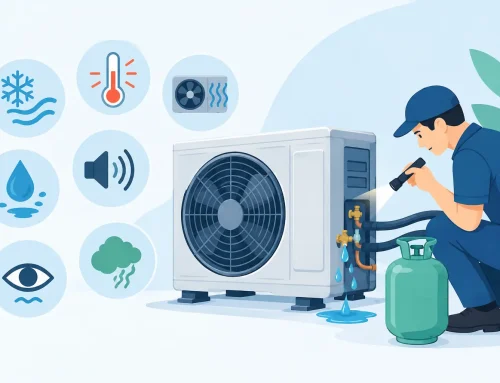
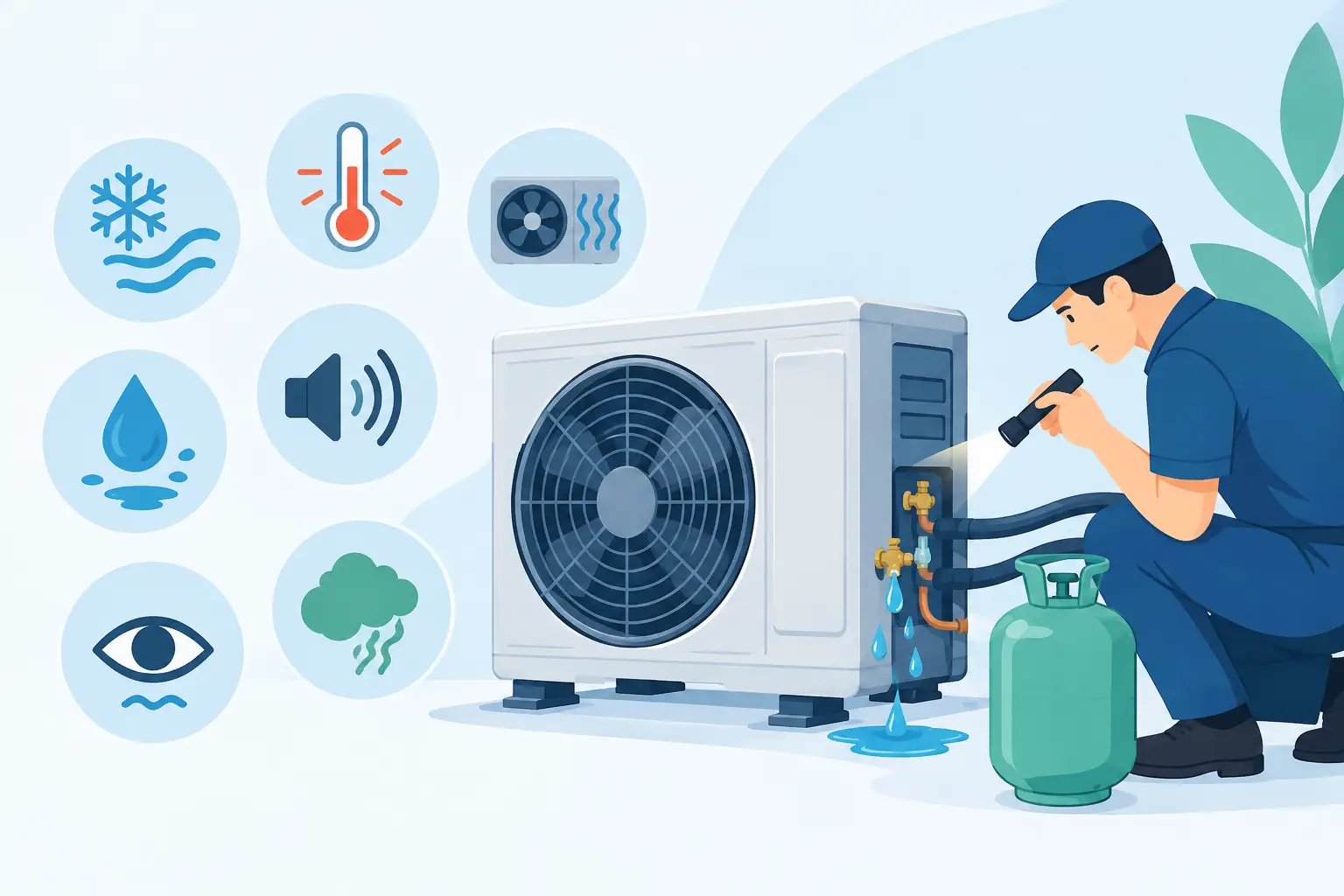
The biggest benefit is fewer unpleasant surprises. During a scheduled visit, a technician can spot worn electrical connections, dirty coils, drainage concerns, refrigerant issues, blower problems, and parts that are beginning to fail. A loose wire or clogged condensate line may be relatively simple to address during maintenance. Left alone through a long cooling season, it can turn into an after-hours breakdown, water damage concern, or a much larger repair.
Maintenance also supports more consistent comfort. When filters are clogged, coils are dirty, or airflow is restricted, your system has to work harder to move conditioned air through the home or building. You may notice rooms that stay warm, longer run times, more humidity indoors, or a furnace that struggles to keep up. A well-serviced system has a better chance of delivering the even, reliable temperatures you expect.
For businesses, the value can be especially clear. An HVAC interruption can affect employees, customers, inventory, equipment, and daily operations. Planned maintenance gives facility managers a clearer picture of system condition and helps them make repair or replacement decisions before comfort problems become an emergency.
Lower Energy Waste Starts With System Condition
A high-efficiency air conditioner cannot perform at its best if it is neglected. Dirt on indoor and outdoor coils interferes with heat transfer. A restricted filter can reduce airflow. A blower or thermostat issue can cause longer cycles than necessary. These problems may not stop the system immediately, but they can increase energy use while placing extra stress on major components.
Routine service helps keep the system operating closer to its intended performance. That does not mean a maintenance plan will automatically produce the same utility savings for every property. Savings depend on equipment age, insulation, duct condition, thermostat habits, occupancy, and how hard the system has been working. Still, addressing avoidable inefficiencies is one of the practical ways to control energy waste over time.
If your summer bills suddenly rise without a clear change in usage, do not assume replacement is the only answer. A professional inspection may identify a repair, cleaning, airflow adjustment, or thermostat issue that can improve performance. A repair-first approach protects your budget by looking for the sensible fix before recommending new equipment.
Better Reliability During Texas Weather Extremes
The worst time to discover an air conditioner has a weak capacitor or a drainage problem is during a triple-digit stretch. The worst time to find a heating issue is when overnight temperatures fall below freezing. Maintenance visits are designed to prepare your system before those peak demands arrive.
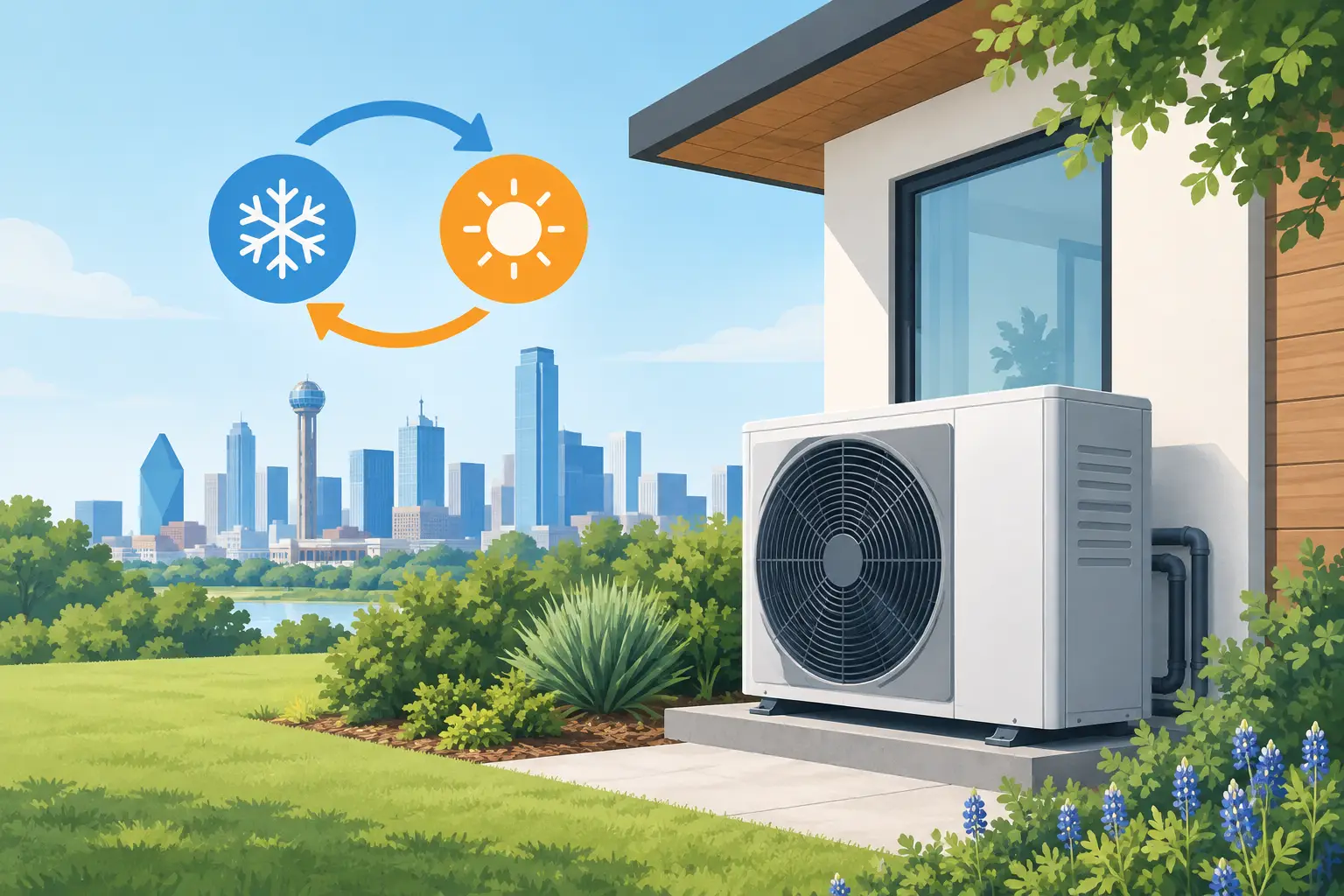
For cooling equipment, service typically focuses on the components that affect airflow, cooling operation, electrical safety, drainage, and outdoor-unit performance. For heating equipment, the service needs differ based on whether you have a furnace, heat pump, or another system type. The goal is the same: identify concerns early and confirm the equipment is operating safely and dependably.
This matters for older systems in particular. Once an HVAC system reaches about 10 years of age, it may need more attention to remain reliable. That does not automatically mean it should be replaced. Many systems have useful life left when repairs are reasonable and maintenance is consistent. A trusted technician should explain what they found, what needs attention now, and what you may want to plan for later.
Cleaner Air and Healthier Indoor Comfort
Your HVAC system moves air throughout the places where your family, employees, and customers spend their time. While maintenance is not a substitute for a dedicated indoor air quality solution when one is needed, it plays an important supporting role. Clean filters and proper airflow can help reduce the circulation of dust and other airborne particles.
A maintenance visit is also a good time to discuss concerns such as lingering odors, excessive dust, humidity, allergy symptoms, or rooms that never feel comfortable. The right answer may be as simple as improving filtration or changing filter habits. In other cases, a property may benefit from humidity control, air purification, duct-related service, or a customized air quality recommendation.
There is no one-size-fits-all fix for indoor air. A busy office, a home with pets, a newly renovated house, and a property with family members who have respiratory sensitivities all have different needs. The right recommendation should reflect the building, the people in it, and the budget available.
What a Good Maintenance Plan Should Provide
A maintenance plan should make ownership easier, not create pressure to buy equipment you do not need. Before choosing one, ask what is included in each scheduled visit, whether the plan covers both heating and cooling service, and how the company handles repair recommendations.
Clear communication matters just as much as the checklist. You should understand the condition of your equipment, any safety or performance concerns found, and the difference between a repair that needs immediate attention and one that can be monitored. If a replacement conversation is necessary, it should be based on the system’s actual condition, repair history, efficiency, comfort needs, and your timeline – not a sales quota.
Many property owners also value practical service-plan features such as priority scheduling, reminders before seasonal demand increases, and warranty-backed workmanship. Those details can be especially helpful when a problem develops during the busiest weeks of summer or winter.
Your Part Between Professional Visits
Professional maintenance is essential, but simple habits between appointments can make a meaningful difference. Check your air filter regularly and replace it according to the filter type, household conditions, and manufacturer guidance. A home with pets, frequent guests, or construction nearby may need more frequent filter changes than a lightly occupied home.
Keep the outdoor unit clear of leaves, grass clippings, stored items, and overgrown landscaping so it can release heat properly. Indoors, keep supply vents open and avoid blocking returns with furniture or rugs. If you see water near the indoor unit, hear unusual noises, smell something burning, or notice a sudden drop in cooling or heating performance, schedule service rather than waiting for the next maintenance visit.
These small steps do not replace a technician’s inspection. They simply help your system breathe, operate with less strain, and give you an earlier warning when something changes.
When Maintenance May Not Be Enough
There are times when replacement is the more practical long-term choice. Frequent breakdowns, an expensive major repair, outdated equipment, poor comfort despite reasonable repairs, or a system that is clearly undersized or oversized can all change the equation. The key is having the facts before making a decision.
Custom Climates approaches that decision with the needs of your property first. A family may need to protect a monthly budget and keep a repairable system running safely for another season. A business may need a planned replacement that avoids disruption during peak operating hours. Both situations deserve honest options, not a rushed answer.
The best maintenance plan is one you actually use. Schedule service before the weather turns, keep an eye on the everyday warning signs, and work with an HVAC partner who treats your comfort and budget with the same care they would give their own family.
Leave A Comment