
A furnace filter is easy to overlook until a cold North Texas morning arrives and the house feels uneven, dusty, or slow to warm up. Regular furnace filter replacement is one of the simplest ways to protect your comfort, indoor air, and HVAC equipment without spending more than necessary.
The filter does more than catch visible dust. It helps keep dirt, pet hair, pollen, and other particles from building up on the blower and indoor coil. When airflow is restricted, your heating system has to work harder to move warm air through the home. That can mean longer run times, higher utility costs, more wear on parts, and a greater chance of a no-heat call when you need the system most.
How Often Should You Schedule Furnace Filter Replacement?
There is no single calendar rule that fits every home or business. A common starting point is every 30 to 90 days, but the right interval depends on the filter type, how much the system runs, and what is happening inside the building.
A basic 1-inch fiberglass filter may need attention every 30 days. Many pleated filters can last 60 to 90 days in a lightly occupied home. Larger media filters, often 4 or 5 inches thick, may last six months or longer. The manufacturer’s instructions are helpful, but the filter’s actual condition should have the final say.
In the Dallas-Fort Worth area, the HVAC system often runs heavily for cooling long before heating season begins. That matters because the same return-air filter generally serves the entire system. Even if your furnace has not been on lately, a filter loaded during a long Texas summer should not wait until winter to be checked.
Plan to inspect your filter more often if your household has pets, smokers, frequent visitors, ongoing remodeling work, or family members with allergies or respiratory sensitivities. A busy office, retail space, or rental property may also need more frequent checks because doors open often and shared spaces collect more dust.
Signs Your Furnace Filter Needs Changing
A filter does not always look completely black or clogged when it is restricting airflow. Checking it monthly is a better habit than waiting for a problem. Pull the filter out with the system off and hold it toward a light source. If little light passes through, it is likely time for a replacement.
Other signs can include:
- More dust settling on furniture shortly after cleaning
- Weak airflow from supply vents or rooms that heat unevenly
- Longer heating cycles and an unexplained increase in energy use
- More frequent allergy symptoms or stale indoor air
- A whistling return grille or a filter that bows inward from pressure
These symptoms do not automatically mean the filter is the only issue. Closed vents, duct leaks, a failing blower motor, thermostat problems, or equipment that is overdue for maintenance can create similar comfort concerns. Still, replacing a dirty filter is the right first step because it removes a common, low-cost cause before more involved diagnostics are needed.
Choosing the Right Furnace Filter
The best filter is not always the one with the highest rating. Filters are commonly labeled with a MERV rating, which measures how effectively they capture particles. Higher ratings can improve filtration, but they can also add resistance to airflow. A filter that is too restrictive for your system can cause the same trouble as a dirty one.
For many homes, a pleated filter in the MERV 8 to MERV 11 range offers a practical balance between particle capture and airflow. Homes with pets, allergy concerns, or a greater need for cleaner indoor air may benefit from a higher-rated filter, but it is worth confirming that the HVAC equipment and ductwork can handle it. Medical-grade filtration is not automatically a good fit for every residential system.
Size is equally important. Check the dimensions printed on the old filter or on the filter cabinet. Nominal sizes, such as 16 x 25 x 1, can differ slightly from the filter’s actual measurements, so matching what fits the cabinet is essential. A filter that is too small can allow unfiltered air around its edges. One that is forced into place can bend, create gaps, or restrict airflow.
Avoid stacking two thin filters to make one thicker filter. The setup can reduce airflow and may cause the filters to shift. If your system accepts a thicker media filter, use the correct single filter designed for that cabinet.
How to Replace a Furnace Filter Correctly
Furnace filter replacement is usually a straightforward homeowner task, but small details matter. First, turn off the HVAC system at the thermostat. Locate the filter slot, which may be behind a return-air grille, inside a filter cabinet near the furnace or air handler, or in a ceiling return.
Slide out the old filter and look for the airflow arrow printed on the frame. The arrow should point toward the furnace or air handler, in the direction air is moving through the system. In a wall or ceiling return grille, this usually means the arrow points into the return duct. In a filter cabinet next to the equipment, it points toward the unit.
Install the new filter so it sits flat and securely in its track, then close the cabinet or grille completely. Write the installation date on the filter frame or set a reminder on your phone. Turn the system back on and listen briefly for unusual noise. If the return grille suddenly whistles, airflow seems weaker, or the filter bends inward, verify that the size and MERV rating are appropriate.
Why a Dirty Filter Can Lead to Bigger Repairs
Restricted airflow puts stress on equipment in ways that are not always obvious. During heating season, low airflow can cause a furnace to overheat and cycle on a safety limit. During cooling season, it can contribute to a frozen indoor coil, water leaks, and poor humidity control. In either case, the blower motor works harder than it should.
That does not mean every repair can be prevented with a new filter. Mechanical components eventually wear out, and a system with aging ductwork or an improperly sized return may have airflow problems even with a clean filter. But routine filter changes give a technician a cleaner starting point when diagnosing an issue and help protect the investment you already have.
For commercial properties, filter care is especially tied to day-to-day operations. Poor airflow can create uncomfortable offices, uneven temperatures in customer areas, and complaints from employees before anyone realizes the filter is overdue. A documented filter schedule is a simple part of protecting equipment uptime and maintaining a more comfortable shared environment.
When a New Filter Is Not Enough
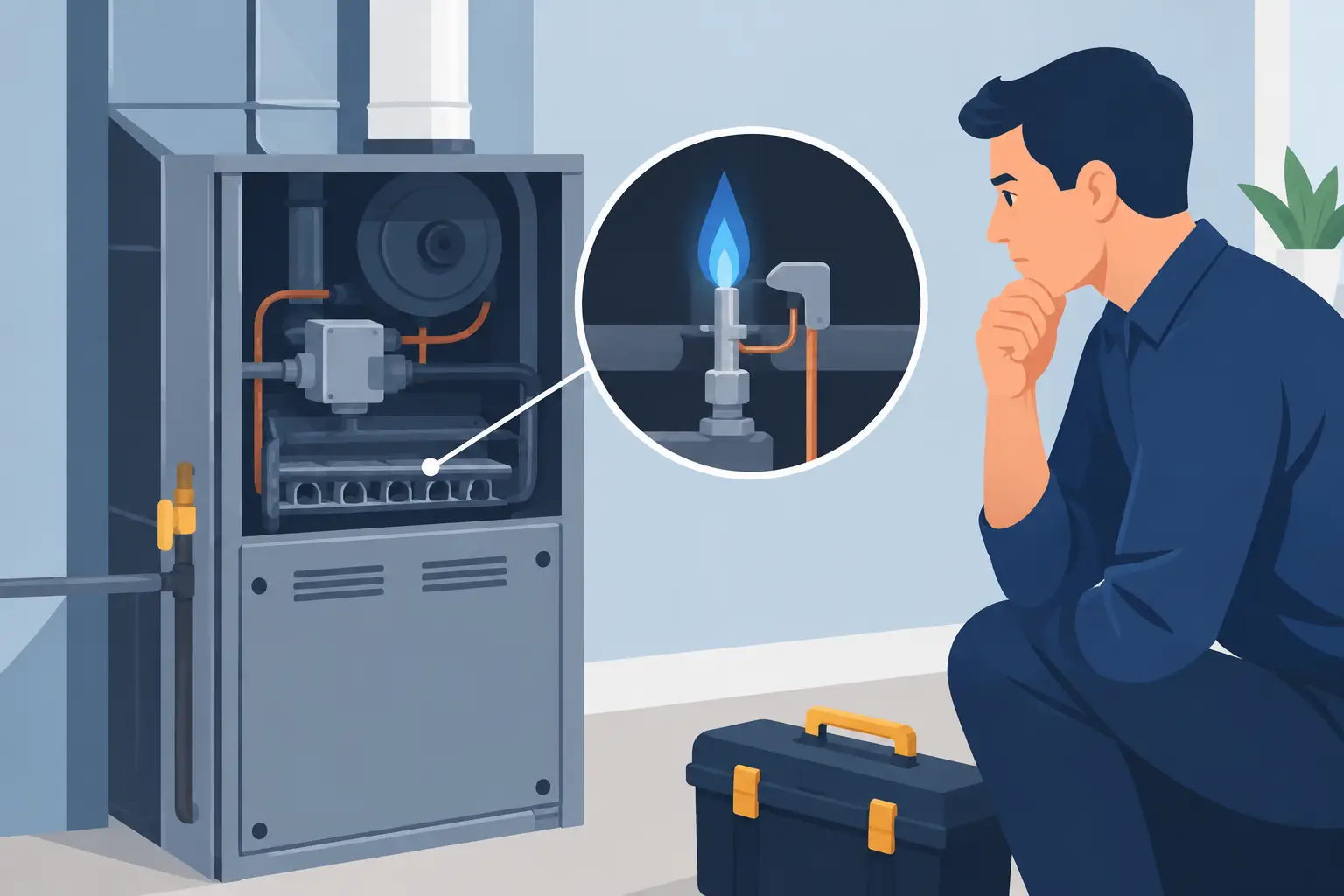
Call for professional service if you replace the filter and the system still has weak airflow, unusual odors, repeated cycling, loud operation, cold spots, or trouble reaching the thermostat setting. Turn the system off and request help promptly if you smell gas, burning, or electrical odors. Those are not filter issues to troubleshoot on your own.
A seasonal maintenance visit can identify concerns that a filter change cannot, including dirty burners, worn electrical connections, drainage problems, duct leakage, and safety-control issues. Custom Climates takes a repair-first approach, so the goal is to explain what the system needs now, what can be monitored, and when replacement may genuinely make more financial sense.
Before the next weather swing, take two minutes to check the filter rather than waiting for comfort to slip. It is a small routine that helps your heating system deliver the dependable, cleaner air your home or business deserves.


Leave A Comment