
A UV light installed inside your HVAC system may sound like a simple answer to cleaner indoor air. But when families or business owners ask about an HVAC UV light for viruses, they deserve a clear answer, not a sales pitch: UV-C technology can be useful in the right application, but it is not a substitute for filtration, ventilation, maintenance, or sensible health precautions.
For homes and businesses around Celina, Van Alstyne, and the DFW area, indoor air quality matters year-round. Long cooling seasons keep buildings closed up, systems work hard, and the air handler can become an important place to address moisture and airborne contaminants. The key is choosing an air-quality solution that fits your equipment, property, and goals.
How HVAC UV Lights Work
HVAC UV lights use ultraviolet-C, or UV-C, energy. Certain UV-C wavelengths can damage the genetic material of microorganisms, making it harder for them to reproduce. This same basic principle has long been used in carefully designed disinfection equipment in medical, water-treatment, and commercial settings.
Inside an HVAC system, a professional may install UV-C lamps near the evaporator coil, drain pan, or within a section of ductwork. The placement changes what the light is designed to do.
A coil-mounted UV light shines continuously on the wet surfaces around the indoor coil and condensate pan. Its primary job is controlling biological growth where condensation collects. By keeping the coil cleaner, this type of system can help support airflow, reduce musty odors, and prevent buildup that can make an air conditioner work harder.
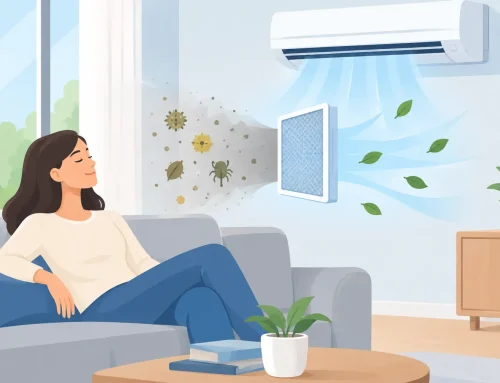
An in-duct air-treatment UV light is positioned so moving air passes through its exposure zone. This approach is more closely related to reducing certain airborne microorganisms, including viruses. However, success depends on much more than installing a lamp.
Can HVAC UV Light Help With Viruses?
Yes, a properly selected and installed UV-C system can contribute to a broader strategy for reducing certain airborne viruses. The important word is contribute. It cannot guarantee that every virus entering your return vents will be neutralized, and it should never be presented as a medical-grade promise for an entire home or building.
For UV-C to affect airborne viruses, the microorganisms need enough exposure to the right light intensity. Air moving through a residential duct system may travel quickly. If the UV lamp is undersized, poorly positioned, dirty, or installed where the air passes it too fast, the dose may not be sufficient for meaningful results.
That is why system design matters. A technician should consider duct configuration, blower speed, airflow volume, available installation space, lamp output, and the specific purpose of the equipment. A larger commercial air handler may offer more room for an engineered in-duct solution than a compact residential system. In some homes, improving filtration and controlling humidity may provide more noticeable benefits than adding UV lights alone.
What UV Lights Do Best in an HVAC System
The strongest everyday case for HVAC UV lights is often coil and drain-pan treatment. Texas air conditioners remove a great deal of humidity during the cooling season. That moisture is normal, but a constantly damp coil area can encourage buildup over time.
When biological material collects on the coil, it can restrict heat transfer and air movement. Your system may run longer to meet the thermostat setting, comfort can suffer, and odors can circulate when the blower starts. UV-C lights aimed at the coil can help keep these areas cleaner between maintenance visits.
That benefit is different from claiming that a light “kills everything in the air.” Good indoor air quality comes from several layers working together: a clean system, the right filter, controlled humidity, adequate fresh-air strategies where appropriate, and routine maintenance. UV light is one possible layer, not the whole plan.
UV Light, Filters, and Ventilation Have Different Jobs
It helps to think of indoor air quality equipment as a team rather than a single purchase.
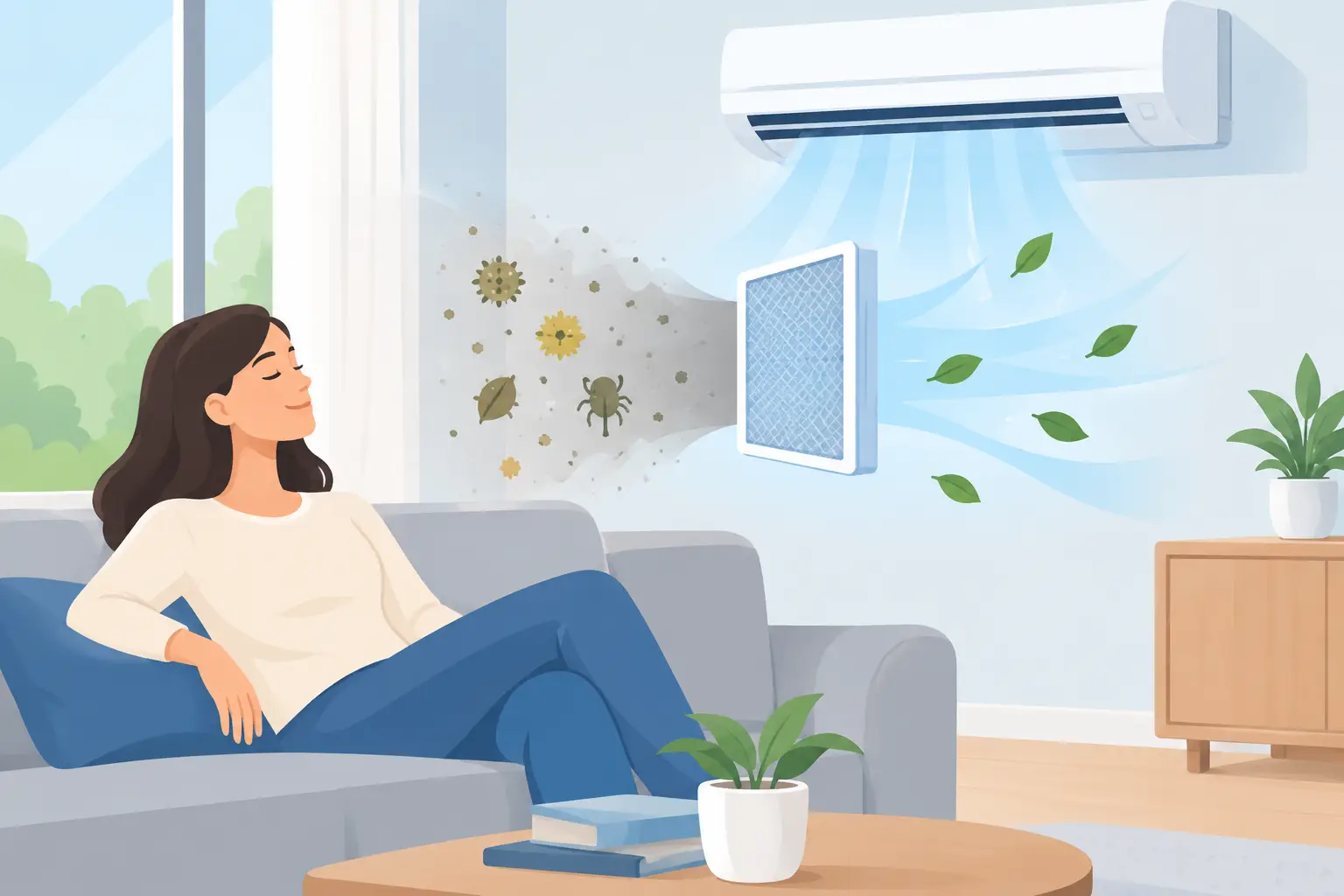
A quality HVAC filter captures particles. Depending on its rating and the system’s design, that can include dust, pollen, pet dander, and some smaller airborne particles that may carry viruses. A filter must fit correctly and be changed on schedule. A clogged high-efficiency filter can reduce airflow if the system was not designed to handle it.
UV-C equipment targets microorganisms exposed to its light. It does not remove dust, smoke, or allergens from the air, and it does not replace filtration. If a coil is coated in dirt, a UV lamp will not clean it.
Ventilation helps dilute stale indoor air with outdoor air when the building and HVAC design allow for it. During periods of high outdoor heat, humidity, pollen, or poor air quality, bringing in more outdoor air is not always the best answer without proper conditioning and filtration. That is another reason a property-specific recommendation matters.
Humidity control also deserves attention. For many North Texas homes, keeping indoor humidity in a comfortable range can reduce that clammy feeling, support comfort at a slightly higher thermostat setting, and make the home less welcoming to moisture-related issues. A system that is oversized, poorly maintained, or short-cycling may struggle to manage humidity effectively.
Safety and Installation Details Matter
UV-C light should be installed by trained HVAC professionals. Direct exposure can harm eyes and skin, so the lamps belong inside sealed equipment or professionally designed duct sections. Service access, warning labels, electrical connections, and safety shutoffs all matter.
Homeowners should also ask whether a proposed product produces ozone. Ozone is not something you want intentionally added to occupied indoor air. Choose equipment designed for HVAC use and installed according to manufacturer specifications.
UV lamps also require maintenance. Their blue glow can be misleading because a lamp may still appear to be working after its useful germicidal output has declined. Many lamps need replacement on a schedule recommended by the manufacturer, often around once a year, though exact intervals vary by product and operating conditions. During regular HVAC maintenance, a technician can inspect the lamp, clean surrounding areas, confirm proper operation, and look for any signs of system issues.
Who May Benefit Most From an HVAC UV Light?
An HVAC UV light may be worth considering if your system has recurring coil buildup, persistent musty odors near the vents, high humidity concerns, or a need for an additional indoor-air-quality layer in a shared space. It can also make sense for homes where cleaner coil surfaces and easier system maintenance are priorities.
For commercial properties, UV-C may be especially worth evaluating in larger air handlers, offices with high occupancy, and buildings where coil cleanliness affects operating costs. Still, the recommendation should be based on the actual equipment. A restaurant, medical office, retail shop, and single-family home do not have the same airflow patterns or air-quality needs.
On the other hand, a UV light may not be the first repair or upgrade to make. If your AC has weak airflow, a dirty coil, a drainage problem, duct leaks, an aging filter setup, or inconsistent cooling, those underlying concerns should be addressed first. Adding air-quality equipment to a struggling HVAC system is rarely the best use of a household or business budget.
A Practical Way to Decide
Start with an honest assessment of what you are trying to solve. If the concern is dust and allergy particles, filtration may be the priority. If the concern is a damp, musty air handler or recurring coil contamination, a coil UV system could be a sensible addition. If you are focused on airborne virus reduction in a busy workplace, ask for an evaluation of airflow, equipment capacity, lamp placement, and the realistic level of protection the system can provide.
Custom Climates takes a repair-first, customized approach because no two properties have the same needs. A technician can inspect the indoor unit, discuss your comfort and air-quality concerns, and explain whether UV-C, better filtration, humidity improvements, or basic maintenance will deliver the most value.
Cleaner indoor air is rarely about one magic device. It is about maintaining the equipment that protects your comfort every day and making practical upgrades that match the way your family or business actually uses the space.


Leave A Comment