
When your AC is not cooling in Texas heat, a home can go from comfortable to miserable in a matter of hours. In North Texas, an air conditioner is not a luxury during a long stretch of 100-degree weather. It protects your family’s sleep, your indoor air quality, your pets, and in some cases the health of vulnerable household members.
Before assuming you need a new system, take a breath. Some cooling problems have a simple cause, while others need prompt professional attention to prevent a larger repair. The right next step depends on what the system is doing, what you see outside, and whether the problem is getting worse.
Start With the Safe, Simple Checks
A thermostat setting, clogged filter, or blocked outdoor unit can make an otherwise capable AC system struggle. These checks are safe for most homeowners and can help rule out common issues before scheduling service.
First, set the thermostat to Cool and lower the set temperature a few degrees below the current indoor temperature. Make sure the fan setting is on Auto, not On. When the fan runs continuously, it may blow room-temperature air between cooling cycles, making it feel as though the system is not keeping up.
Then check the air filter. A heavily loaded filter restricts airflow, forcing the equipment to work harder while delivering less cool air into the house. If it looks gray, matted, or dusty, replace it with the correct size and avoid using an overly restrictive filter unless your system was designed for it. Higher-rated filters can improve air filtration, but they also need to match your equipment’s airflow needs.
Walk outside and look at the condenser unit. Turn off power before touching anything near the equipment. Leaves, grass clippings, cottonwood, and landscaping can block airflow through the coil. Clear loose debris from around the unit and maintain open space around it. Do not spray it with a pressure washer or attempt to take it apart.
Finally, check your electrical panel for a tripped breaker. If a breaker trips once, resetting it may restore operation. If it trips again, leave it off and call an HVAC professional. Repeated tripping can point to an electrical, compressor, or motor issue that should not be ignored.
Why an AC Is Not Cooling in Texas Heat
Texas heat puts every part of an air conditioning system under real demand. A unit that seemed fine during mild spring weather may reveal an underlying problem once afternoon temperatures climb and the system runs for long periods.
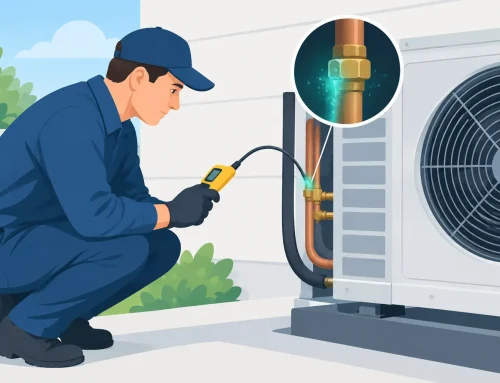
One common cause is low refrigerant. Refrigerant does not get used up like fuel. If the level is low, there is usually a leak that needs to be found and repaired. Adding refrigerant without addressing the leak may provide short-term relief, but it does not solve the source of the problem. Low refrigerant can also lead to frozen coils and compressor damage.
Dirty evaporator or condenser coils are another frequent issue. Indoor coils collect dust when filters are neglected, while outdoor coils collect dirt and yard debris. Both problems reduce the system’s ability to transfer heat out of your home. The AC may run almost constantly, produce only mildly cool air, and drive up the electric bill.
A failing capacitor, contactor, blower motor, or outdoor fan motor can also leave the system running poorly or not running at all. These parts are often repairable, especially when the issue is identified early. That is why an honest diagnosis matters more than jumping immediately to equipment replacement.
In some homes, the AC itself is operating properly but cannot overcome another comfort problem. Leaky ductwork, poor attic insulation, undersized equipment, unsealed windows, and hot west-facing rooms can all make a home feel uneven or warm. A larger system is not always the answer. Oversizing can create humidity issues, short cycling, and unnecessary cost. The best recommendation considers the house, the system, your comfort goals, and your budget together.
Signs You Should Call for AC Repair Now
During severe heat, do not wait for a small warning sign to become a complete breakdown. Schedule service promptly if you notice any of the following:
- Warm air coming from vents while the outdoor unit is running
- Ice on the refrigerant line, indoor coil area, or outdoor equipment
- Loud buzzing, grinding, rattling, or repeated clicking sounds
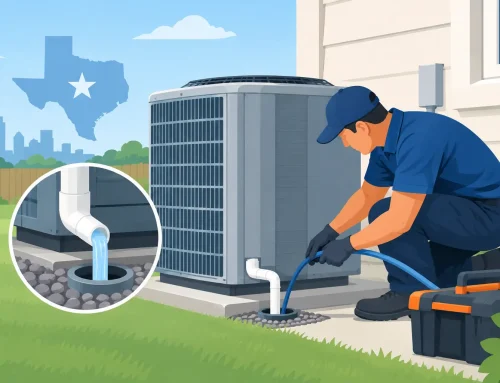
- Water pooling near the indoor unit or a ceiling stain near ductwork
- A burning smell, a breaker that keeps tripping, or the system shutting down repeatedly
- Indoor temperatures that continue rising despite the thermostat calling for cooling
If you see ice, turn the cooling mode off and set the thermostat fan to Auto. Continuing to run a frozen system can damage the compressor. A technician can determine whether the freeze-up came from restricted airflow, a dirty coil, a refrigerant issue, or another mechanical problem.
Electrical smells, smoke, or a hot electrical panel require more urgency. Shut the system off if it is safe to do so and seek professional help. Comfort matters, but protecting your home and everyone inside it comes first.
What Not to Do When Your AC Is Struggling
A few well-meant shortcuts can make an air conditioning repair more expensive. Do not keep lowering the thermostat into the 60s in hopes of making the house cool faster. Your system cools at a steady rate, and setting an unrealistic temperature can keep it running longer without solving the issue.
Avoid closing off many supply vents. Central air systems are designed for a certain amount of airflow. Closing too many vents can increase pressure in the ductwork and contribute to comfort problems. If one room is consistently hotter than the rest of the home, that calls for a closer look at airflow, insulation, duct design, or zoning options.
It is also wise to skip do-it-yourself refrigerant products and electrical repairs. Refrigerant handling requires specialized tools, training, and proper leak testing. Capacitors and other components can hold a dangerous electrical charge even after power is shut off.
Keeping Your Home More Comfortable While You Wait
If your system is cooling somewhat but cannot hold the thermostat setting during the hottest part of the day, focus on reducing heat gain. Close blinds and curtains on sunny windows, especially on the west side of the home. Avoid using the oven, dryer, and other heat-producing appliances during late afternoon when possible.
Set ceiling fans to rotate counterclockwise in summer so they push air downward. Fans do not lower the room temperature, but they can help people feel cooler. Keep interior doors open when practical to support airflow, and make sure furniture or rugs are not blocking return-air grilles.
For commercial properties, communicate early with employees, tenants, or customers if comfort is affected. Moving workstations away from direct sun, limiting heat-generating equipment, and identifying the warmest zones can help maintain operations until repair service arrives. A facility manager should also note any unusual sounds, thermostat messages, water leaks, or times when the system shuts down. Those details can speed up diagnosis.
Repair or Replacement: The Decision Should Be Personal
A failed part does not automatically mean you need a new air conditioner. Many systems can be repaired reliably, and a repair-first approach may be the right financial choice when the equipment is otherwise in good condition.
Replacement becomes more worth considering when a system is older than 10 years, needs frequent repairs, uses outdated refrigerant, has a failed major component, or cannot provide consistent comfort despite proper maintenance. Energy costs, warranty coverage, available financing, and how long you plan to stay in the property also affect the decision.
At Custom Climates, the goal is to explain the condition of the equipment clearly and recommend options that fit the property and the customer, not push a one-size-fits-all sale. A repair may be the right answer today. A planned replacement may be the smarter way to avoid an emergency failure later. Both decisions deserve straightforward information.
Prevent the Next Heat-Wave Breakdown
Texas summers are hard on cooling equipment, but preventive maintenance gives your system a better chance of carrying the load. Seasonal service allows a technician to check electrical components, refrigerant performance, drains, coils, airflow, and overall operation before a minor issue leaves you without cooling.
Between visits, change filters regularly, keep the outdoor unit clear, and pay attention to gradual changes. Longer run times, weaker airflow, new noises, and uneven temperatures are easier to address before the hottest week of the year.
If the air in your home is getting warmer and your AC is not responding, trust what you are noticing. A timely, professional inspection can protect your comfort, your equipment, and your budget when Texas heat gives your system no room for error.




[…] cooling is not always a capacitor issue. Low refrigerant, airflow restrictions, duct problems, and an undersized system can also affect comfort. A complete […]
[…] the air handler, or moisture on the floor beneath a closet-mounted system. If your air conditioner suddenly stops working while the thermostat still calls for cooling, a tripped float switch could be the […]