
A Texas AC failure rarely waits for a convenient time. It often shows up during a string of 100-degree days, when your system is working its hardest and your family or customers need relief right away. When comparing a repair plan versus service contract, the right choice comes down to what you want protected: routine system health, the cost of unexpected repairs, or both.
The names can sound interchangeable, but they are not always the same thing. HVAC companies use their own terms, and the details inside the agreement matter far more than the label on the front page. A good plan should make comfort more predictable without locking you into coverage that does not fit your equipment, property, or budget.
What Is an HVAC Repair Plan?
A repair plan typically focuses on making needed service more affordable when something goes wrong. Depending on the provider, it may include discounted diagnostic fees, preferred scheduling, reduced repair pricing, or a set amount of repair coverage during the plan period.
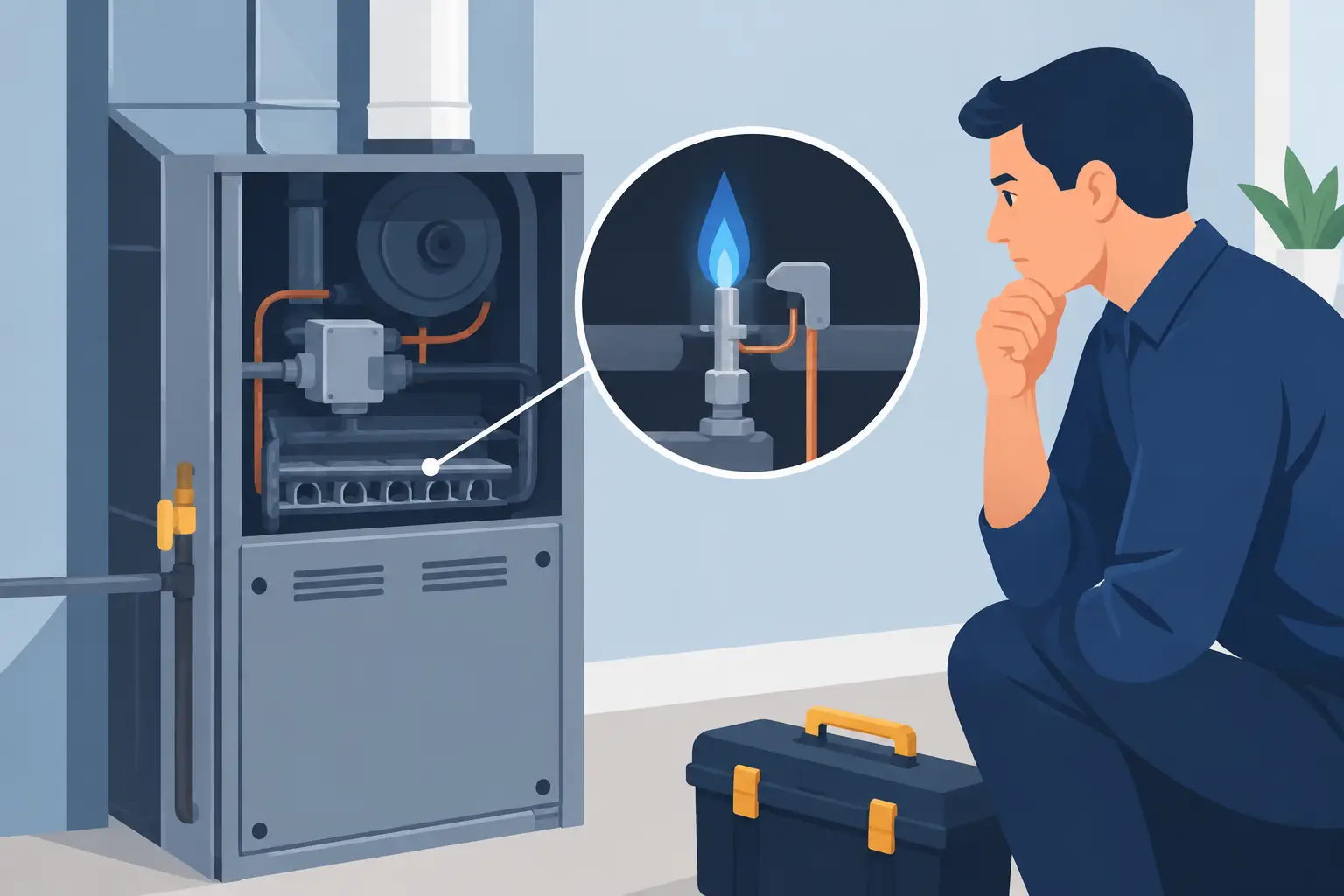
For a homeowner with a newer, dependable system, a repair plan can be a practical middle ground. You may not need broad parts-and-labor protection, but you still want a trusted HVAC team to respond quickly if the capacitor fails, a drain line clogs, or your furnace stops heating during a North Texas cold snap.
Repair plans are also useful for property owners who want a relationship with a service provider before an emergency happens. Instead of calling around while the house is hot or the office is uncomfortable, you already know who to contact and what service benefits apply.
That said, a repair plan is not necessarily insurance. It may reduce the cost of a repair without covering the entire repair. Always ask whether diagnostic charges, labor, replacement parts, refrigerant, after-hours calls, and trip fees are included, discounted, or excluded.
What Is an HVAC Service Contract?
A service contract is generally a more formal agreement for ongoing HVAC care. It often includes scheduled maintenance visits and may also provide repair-related benefits such as priority service, discounts, extended labor coverage, or coverage for certain parts. The exact terms vary by company and equipment type.
For many Texas homes and businesses, the maintenance portion is the real value. During a professional tune-up, a technician can check refrigerant performance, electrical components, airflow, condensate drainage, safety controls, filters, and overall system operation. Small concerns are easier and less expensive to address before they turn into a no-cooling call in July.
A service contract can be especially helpful when comfort is business-critical. Restaurants, offices, retail spaces, medical practices, and other commercial properties depend on reliable indoor temperatures for employees, customers, equipment, and daily operations. Planned maintenance gives facility decision-makers a clearer service schedule and fewer surprise interruptions.
Some contracts also include warranties or labor protection. Those benefits can be valuable, but only when you understand the limits. A manufacturer warranty may cover a failed part but not the labor to diagnose and install it. A service contract may cover labor for certain repairs but exclude wear items, damage from neglected maintenance, or equipment that is beyond a stated age.
Repair Plan Versus Service Contract: The Key Difference
The simplest distinction is this: a repair plan is usually designed around help when a problem occurs, while a service contract is usually built around ongoing maintenance and defined service benefits over time.
A repair plan may be the better fit if your main concern is lowering the impact of occasional repairs. A service contract may be the stronger choice if you want recurring preventive care, priority scheduling, and a more structured approach to protecting your heating and cooling equipment.
There is some overlap. Many service contracts include repair discounts, and some repair plans include a maintenance visit. That is why it is better to compare the actual services than to assume one plan works like another.
Before agreeing to either option, review these practical questions:
- How many maintenance visits are included each year, and what work is performed at each visit?
- Does the agreement include priority scheduling during peak summer and winter demand?
- Are diagnostic fees, labor, parts, refrigerant, and emergency service covered or discounted?
- Are there age limits, equipment condition requirements, deductibles, cancellation terms, or exclusions?
- Does the plan require you to maintain filters, keep outdoor units clear, or complete recommended repairs to remain eligible?
Those answers tell you whether the agreement offers real protection or simply a small discount with significant limitations.
When a Repair Plan Makes Sense
A repair plan can make sense when your HVAC system is relatively new, still covered by a manufacturer warranty, and has a solid maintenance history. In that situation, you may only need a dependable local team and a way to reduce out-of-pocket costs if a minor repair comes up.
It can also suit homeowners who prefer to pay for maintenance separately but want access to service benefits. This approach may work well for people who are disciplined about changing filters, keeping supply vents open, clearing leaves from the outdoor unit, and scheduling tune-ups before the hottest part of the year.
The trade-off is that you may still face substantial repair costs if a major component fails. A compressor, evaporator coil, blower motor, or control board can involve more than a quick visit. If your budget would be strained by a larger repair, broader service-contract benefits may provide more peace of mind.
When a Service Contract Is Worth Considering
A service contract often fits homeowners who want preventive maintenance handled on a consistent schedule. It is also a smart option for busy families, landlords, and commercial property managers who do not want system upkeep to get lost among other responsibilities.
Older equipment can benefit from regular attention, but it deserves a careful conversation first. If your system is more than 10 years old and requires frequent repairs, paying for a service contract may not always be the most cost-effective move. A trustworthy HVAC professional should explain the repair, its likely lifespan, and whether replacement deserves consideration. You should never feel pushed toward a new system simply because your current one needs service.
The same is true for a system with a major unresolved issue. If a unit has a leaking coil, serious compressor damage, or repeated electrical failures, a contract may exclude that pre-existing condition. Ask what must be repaired before coverage begins and get the costs in writing.
Look Beyond the Monthly Price
The least expensive plan is not automatically the best value. A low monthly price can be worthwhile if it includes maintenance that helps prevent breakdowns, catches efficiency problems early, and provides faster response during high-demand weather. It is less helpful if it only offers a small discount on work you are unlikely to need.
Consider how you use your property. A family with pets, allergies, and a busy household may benefit from regular airflow and indoor air quality checks. A business with long operating hours may place heavier demand on its HVAC system and need priority service. Homes with one aging unit and no backup cooling may value a plan that reduces the disruption of an unexpected failure.
Also consider your equipment warranty. Keep records of maintenance visits and repairs. Many manufacturers require proof of proper maintenance when warranty questions arise, and organized records make it easier to understand what is covered.
Choose a Partner, Not Just a Plan
An HVAC agreement should make it easier to care for your system, not harder to understand your options. Look for a company that explains coverage plainly, gives repair-first recommendations, and respects the budget you have set. At Custom Climates, that means discussing the condition of your equipment honestly and helping you choose service that fits your home or business rather than trying to sell something you do not need.
Whether you choose a repair plan, a service contract, or pay for service as needed, keep the focus on reliable maintenance and clear expectations. The best time to decide how you want to protect your HVAC system is while it is still keeping everyone comfortable.
Leave A Comment