
A Texas AC system rarely breaks down at a convenient time. It usually happens after days of triple-digit temperatures, when your home or business has been asking the equipment to run almost nonstop. Knowing how to prevent AC breakdowns starts with one simple goal: reduce strain before a small issue turns into a no-cooling emergency.
Most breakdowns are not caused by a single dramatic failure. They build from restricted airflow, neglected maintenance, dirty components, electrical wear, or a refrigerant issue that went unnoticed. A little attention throughout the year can protect your comfort, help control energy costs, and give you more time to make decisions without pressure.
How to Prevent AC Breakdowns Before Summer Arrives
The best time to prepare an air conditioner is before the first serious heat wave. Once outdoor temperatures climb, every weak component has to work harder. An inspection in spring gives a technician a chance to find worn capacitors, loose electrical connections, drainage problems, low refrigerant, or declining parts before the system is under peak demand.
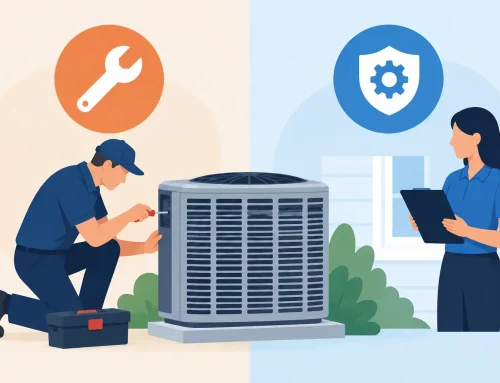
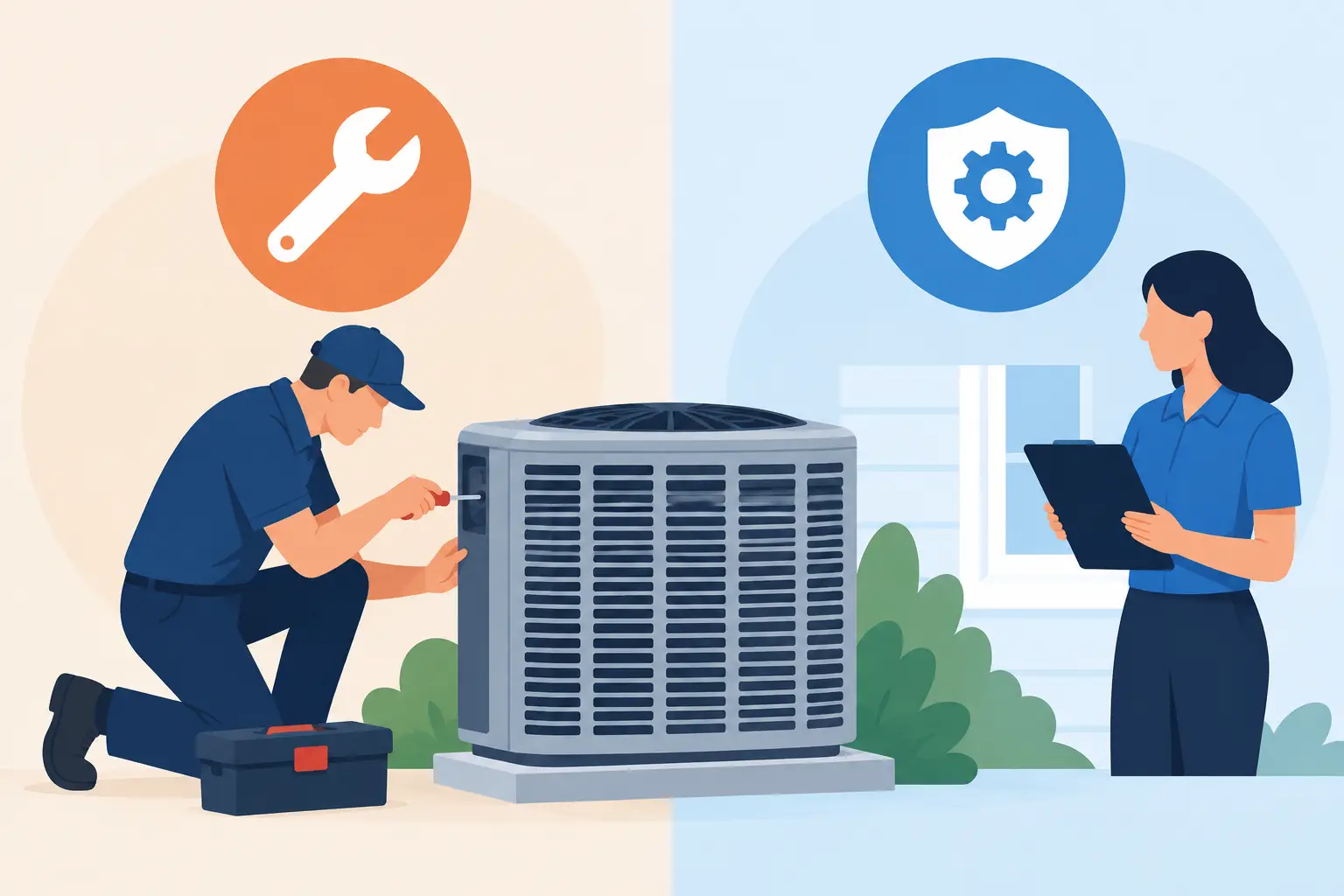
Preventive maintenance is not the same as a quick look at the thermostat. A thorough service visit should include checking system operation, airflow, electrical components, condensate drainage, outdoor-unit condition, and cooling performance. The right service also considers the age and condition of your specific equipment. A newer system may need routine cleaning and calibration, while an older unit may need closer monitoring and an honest conversation about repair costs.
For business owners and facility managers, early maintenance matters even more. A cooling failure can disrupt employees, customers, inventory, and equipment. Scheduling service before the busy season helps avoid competing for emergency appointments when regional demand is highest.
Keep Airflow Moving Freely
Restricted airflow is one of the most common and preventable causes of AC trouble. When your system cannot pull enough air through the return side or push conditioned air through the home, it runs longer, cools less effectively, and puts added stress on the blower and evaporator coil.
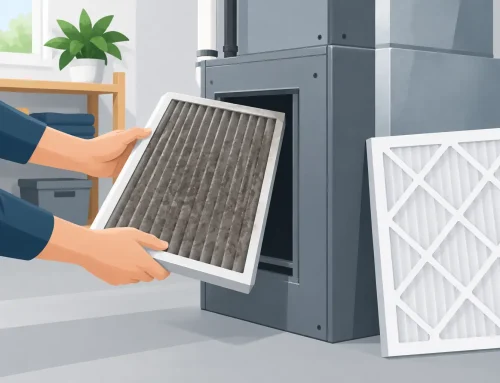
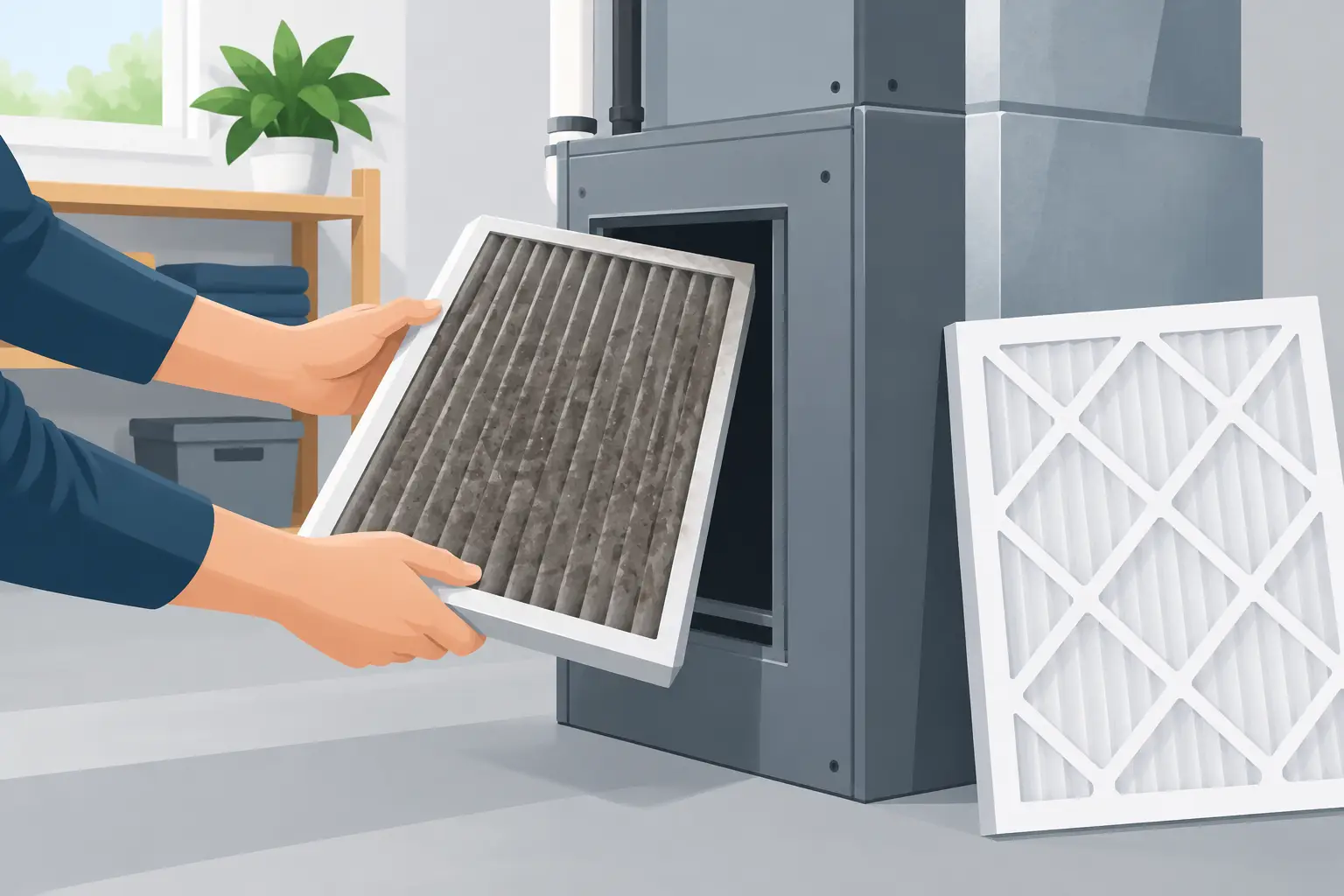
Start with the air filter. Check it monthly during heavy cooling season, especially if you have pets, allergies, ongoing construction dust, or a busy commercial space. Replace disposable filters when they are visibly dirty or according to the manufacturer’s guidance. A filter that is too restrictive can also create problems, so do not assume the highest-rated filter is automatically the best fit for every system. The right choice depends on your equipment and indoor air-quality needs.
Keep return grilles and supply vents open and clear. Furniture, rugs, storage bins, and drapes can block airflow without anyone realizing it. Closing too many vents to force more cooling into one room can also raise pressure in the ductwork and make the system work harder. If some rooms stay uncomfortable while others feel fine, the answer may be a duct, insulation, thermostat, or sizing issue rather than simply closing vents.
Give the Outdoor Unit Room to Breathe
Your outdoor condenser releases heat from inside the building. If it is buried in leaves, grass clippings, shrubs, or debris, that heat cannot escape efficiently. The AC then has to run longer to do the same job, which increases wear and utility use.
Walk around the outdoor unit every few weeks during the cooling season. Keep vegetation trimmed back, remove loose debris from around the base, and make sure the top of the unit is not covered. Avoid leaning tools, patio items, or trash bins against it. After mowing, gently clear grass clippings from the surrounding area.
Do not pressure-wash condenser coils or try to straighten damaged fins with household tools. Coils and fins are easy to damage, and an improper cleaning can create more expensive problems. If the unit looks heavily coated with dirt or cottonwood, professional cleaning is the safer choice.
Pay Attention to the Drain Line and Humidity
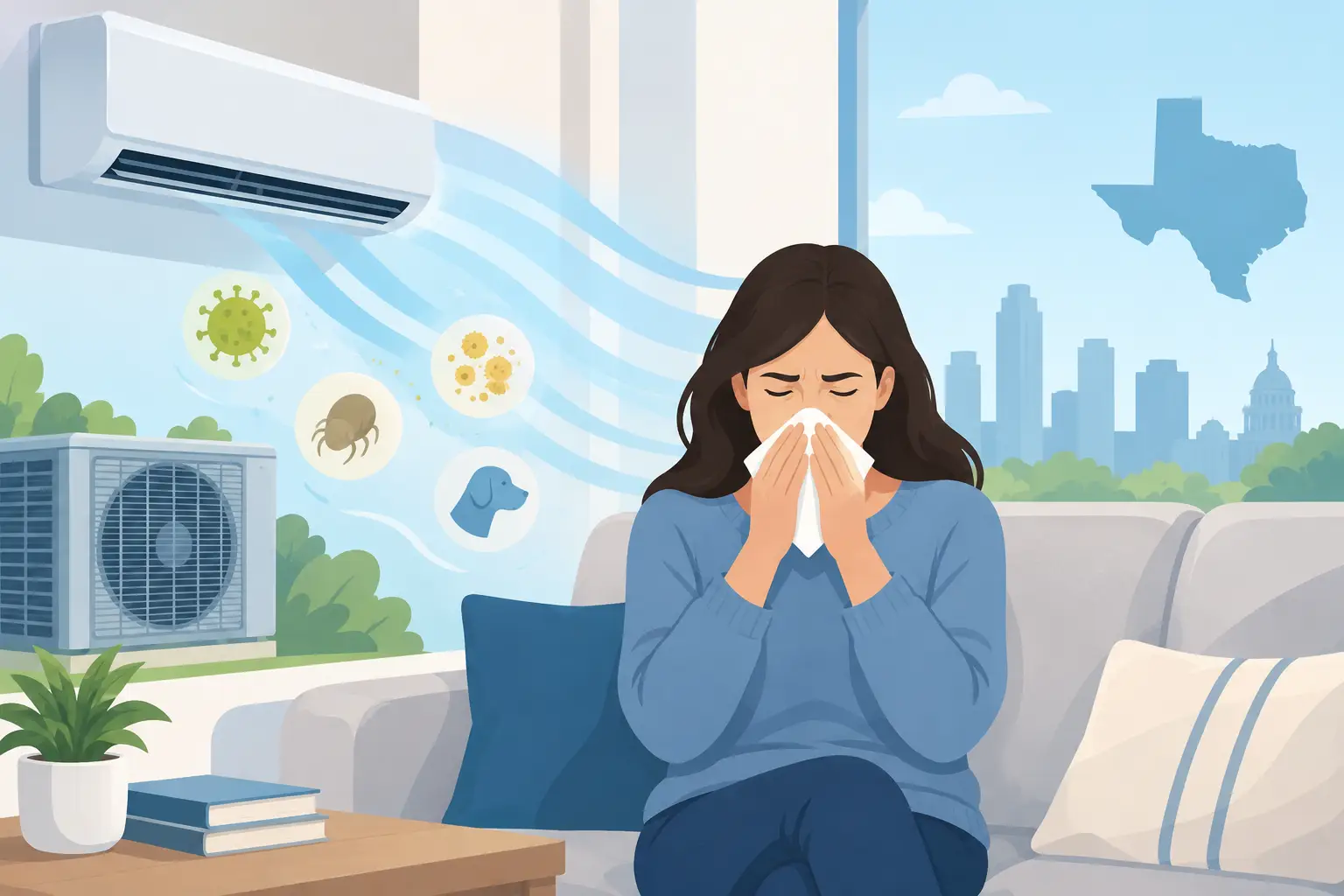
North Texas humidity can create a surprising amount of condensation inside an air conditioning system. That moisture exits through a condensate drain line. When the line clogs with algae, dirt, or buildup, water can back up into the drain pan, trigger a safety switch, damage nearby materials, or shut down cooling.
Watch for water around the indoor unit, a musty smell near the vents, staining on ceilings, or an AC that stops running on a hot day without an obvious reason. These can point to a drainage issue. Regular maintenance includes checking and clearing the condensate system, which is much less stressful than discovering a ceiling leak or a shutoff during a summer weekend.
High indoor humidity is worth addressing even when the house feels cool. It can make rooms feel sticky, encourage mold growth in vulnerable areas, and signal that the system is not removing moisture as it should. The cause may be maintenance-related, but it could also involve system sizing, duct leakage, insulation, or ventilation. A professional evaluation can separate a simple repair from a larger comfort concern.
Use Your Thermostat in a Way That Protects the System
Setting the thermostat dramatically lower will not cool the building faster. It only tells the system to keep running until it reaches that setting. In extreme heat, asking an AC to maintain an unrealistic indoor temperature can lead to long run times and added strain.
A steady setting that is comfortable for your household or workplace is usually better than frequent major changes. Programmable and smart thermostats can help, particularly when a building is empty for part of the day, but they need to be set thoughtfully. Letting a home get excessively hot and then demanding a large temperature drop at the busiest part of the afternoon can be hard on the equipment.
If your thermostat has fresh batteries, replace them as recommended. If the display is blank, the temperature reading seems inaccurate, or the system cycles on and off unusually often, have it checked. Thermostat and control issues are often repairable, and catching them early may prevent unnecessary stress on the rest of the system.
Do Not Ignore Small Changes in Performance
Air conditioners often give warning signs before they fail completely. A system that still cools is not necessarily operating normally. Calling for service when the problem is small can sometimes prevent a larger repair and reduce the risk of losing cooling when you need it most.
Pay attention if you notice four or more of these changes:
- Warm air, weak airflow, or rooms that suddenly cool unevenly
- New rattling, buzzing, grinding, or repeated clicking sounds
- Short cycling, where the system starts and stops frequently
- Higher-than-normal electric bills without a clear change in use
- Ice on refrigerant lines, water around the indoor unit, or unusual odors
Some issues have straightforward causes, such as a clogged filter or blocked drain. Others involve electrical components, refrigerant, motors, compressors, or ductwork. Refrigerant is not something to top off casually. If levels are low, the system may have a leak that should be identified and repaired rather than repeatedly refilled.
Plan for an Aging System Without Rushing Replacement
An AC system that is 10 years old or more deserves a more proactive maintenance strategy, especially after several Texas summers. That does not automatically mean replacement is the right answer. Many older systems can continue serving a home or business well with the right repair and maintenance plan.
The decision depends on repair history, efficiency, condition, comfort concerns, available parts, and your budget. If repairs are becoming frequent or the unit cannot maintain comfort despite proper service, it may be time to compare options. A trustworthy HVAC partner should explain the condition of the current system first, including what can be repaired, what may fail next, and what replacement would realistically improve. You should never feel pushed into buying equipment you do not need.
Custom Climates takes a repair-first approach because protecting your comfort and budget matters more than forcing a one-size-fits-all solution. Whether you manage a storefront, office, family home, or rental property, the most useful recommendation is one that fits the building and the people relying on it.
Make Prevention Part of Your Routine
Reliable cooling comes from a few consistent habits: change filters, keep vents and outdoor equipment clear, monitor humidity and drainage, and schedule professional maintenance before the heat is relentless. Those steps cannot prevent every unexpected part failure, but they significantly improve the odds that your AC is ready when Texas weather tests it.
If something feels different about your system, trust that observation. Early attention is often the difference between a manageable repair visit and a long, hot day without dependable cooling.


Leave A Comment