
A stuffy conference room, recurring afternoon headaches, lingering odors, or employees who seem to cough more at work than at home can all point to the same concern: the air inside the building needs attention. Effective office indoor air quality solutions are not about adding equipment for the sake of it. They start with finding what is affecting the air, then choosing practical improvements that fit the office, HVAC system, budget, and daily operations.
For offices across Dallas-Fort Worth, air quality can be especially challenging. Hot Texas summers keep buildings closed up for long stretches, while humidity, construction dust, seasonal allergens, and heavily used shared spaces all add to the load on an HVAC system. A thoughtful plan can help employees feel more comfortable, protect equipment, and make the office a more welcoming place to work.
Start With the Source of the Problem
Indoor air quality concerns usually do not have one simple cause. A portable air cleaner may help in one area, but it will not correct an HVAC filter that is overdue for replacement, a ventilation issue, or moisture building up near a drain line.
Start by paying attention to patterns. Does the office smell musty only in the morning? Do certain rooms feel warmer, more humid, or more stuffy than others? Are symptoms worse after cleaning, during high-pollen days, or when a meeting room is full? These details help narrow down whether the concern is filtration, ventilation, humidity, contamination, or an HVAC performance problem.
A professional evaluation can also identify issues that are easy to miss, including dirty evaporator coils, damaged ductwork, clogged condensate drains, poor return-air flow, or outdoor air dampers that are not operating correctly. Addressing the root cause is usually more valuable than buying a product based on a one-size-fits-all promise.
Improve Filtration Without Restricting Airflow
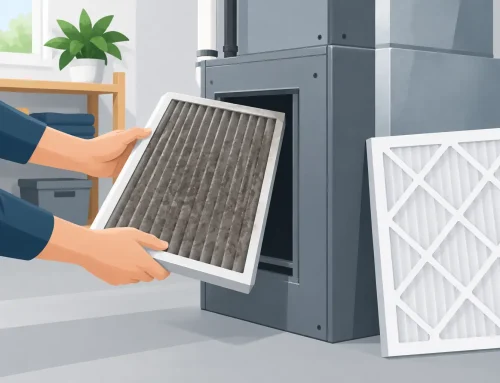
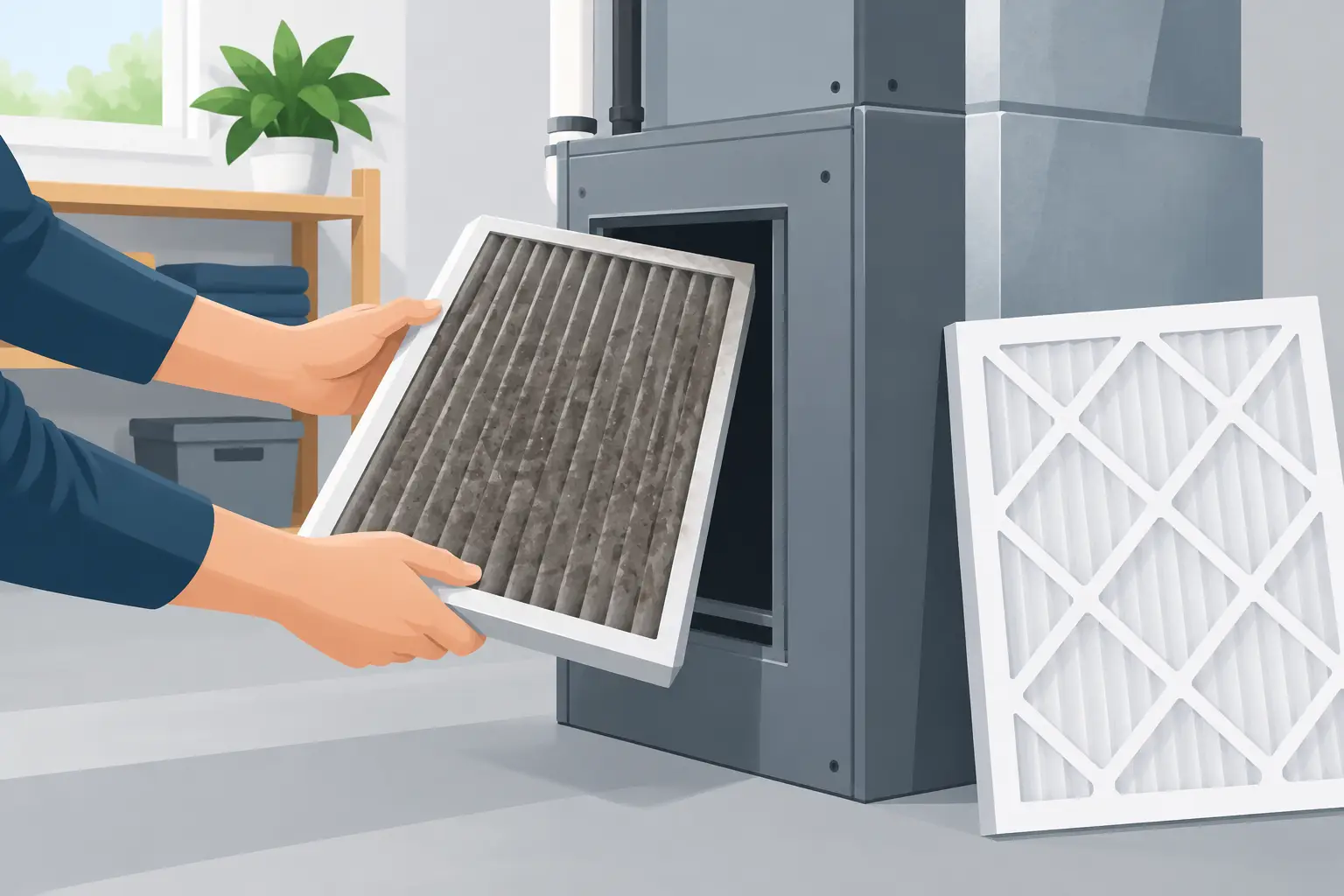
A clean, properly selected HVAC filter is one of the most practical tools an office has. Filters capture airborne particles before they circulate through the system, including dust, pollen, fibers, and some larger respiratory particles. But higher filtration is not always automatically better.
Filter efficiency is often measured by its MERV rating. A higher MERV rating can capture smaller particles, yet it may also create more resistance to airflow. If an older system was not designed for a dense filter, installing one can make the blower work harder, reduce airflow, and create comfort or equipment problems.
For many offices, a quality filter in the appropriate MERV range offers a good balance between cleaner air and dependable system operation. The right choice depends on the unit, duct design, occupancy, and whether the office has concerns such as allergies, nearby construction, or frequent customer traffic. Filter changes should also be scheduled based on real conditions, not just the date on a calendar. A busy office or a building near dusty roads may need more frequent service than a lightly occupied workspace.
Make Ventilation Part of the Plan
Offices need a reliable exchange of indoor and outdoor air. Without enough fresh-air ventilation, carbon dioxide levels can rise when spaces are crowded, and odors and airborne contaminants can linger longer than they should.
The goal is not simply to bring in as much outdoor air as possible. In North Texas, outdoor heat and humidity can place a major strain on cooling equipment. Too much untreated outdoor air may raise indoor humidity, increase utility costs, and leave employees feeling clammy even when the thermostat is set low.
A qualified HVAC technician can review whether the system is bringing in outdoor air as intended and whether that air is being properly conditioned. This is particularly worthwhile for offices that have changed their layout, added staff, converted storage space into work areas, or remodeled since the HVAC system was installed. What worked for a small office years ago may not be enough for a busier workplace today.
Control Humidity Before It Becomes a Bigger Issue
Humidity affects more than comfort. When indoor humidity stays too high, it can encourage mold growth, create musty odors, and make the air feel warmer than it actually is. When it is too low, employees may notice dry skin, irritated eyes, or scratchy throats.
Most offices are comfortable when relative humidity stays in a moderate range, often around 40% to 60%. In Texas, excess humidity is the more common concern, especially when an air conditioner is oversized, short-cycling, or not running long enough to remove moisture effectively.
A system that cools the office quickly but leaves it humid is not necessarily doing its job well. Maintenance can reveal whether the issue involves refrigerant performance, airflow, drainage, thermostat operation, or equipment sizing. In some situations, a dedicated dehumidification solution may be worth considering, but it should be recommended only after the building conditions are understood.
Use Targeted Air-Cleaning Equipment Where It Helps
Standalone HEPA air cleaners can be useful in specific areas, such as reception spaces, conference rooms, break rooms, medical-adjacent offices, or rooms with limited airflow. They can reduce particle levels in the area they serve, but their effectiveness depends on proper sizing, placement, and run time.
A small unit placed in the corner of a large open office will not clean the entire space. Likewise, an air cleaner should not be treated as a substitute for needed HVAC repairs or regular filter service. It works best as one part of a broader plan.
Other indoor air quality products, including UV systems installed near HVAC coils, may help in the right application. These systems are often considered when biological growth is a concern around damp coil areas. Their value depends on installation quality and the specific problem being addressed. A trustworthy recommendation should explain what the equipment is designed to do, what it cannot do, and what ongoing maintenance it requires.
Reduce Pollutants at Their Entry Point
The cleanest air-quality strategy is often preventing contaminants from entering the office in the first place. Routine housekeeping matters, but so do the products and practices used in the building.
Choose low-odor cleaning products when possible, store chemicals away from return-air openings, and make sure copier rooms, janitorial closets, and break areas have appropriate ventilation. If an office is undergoing renovation, isolate dusty work zones from occupied spaces and inspect filters more frequently. Entry mats can also reduce the dust, pollen, and debris tracked in from parking areas.
Do not overlook the outdoors. Leaves, grass clippings, and trash around an outdoor HVAC unit can restrict airflow and affect performance. In commercial buildings, nearby loading areas, vehicle exhaust, dumpsters, and landscaping chemicals can also influence where and how outdoor air should be brought into the system.
Keep the HVAC System Maintained
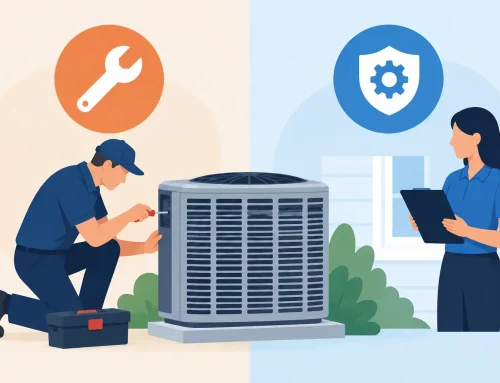
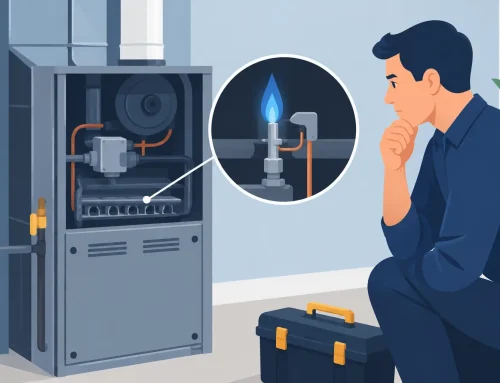
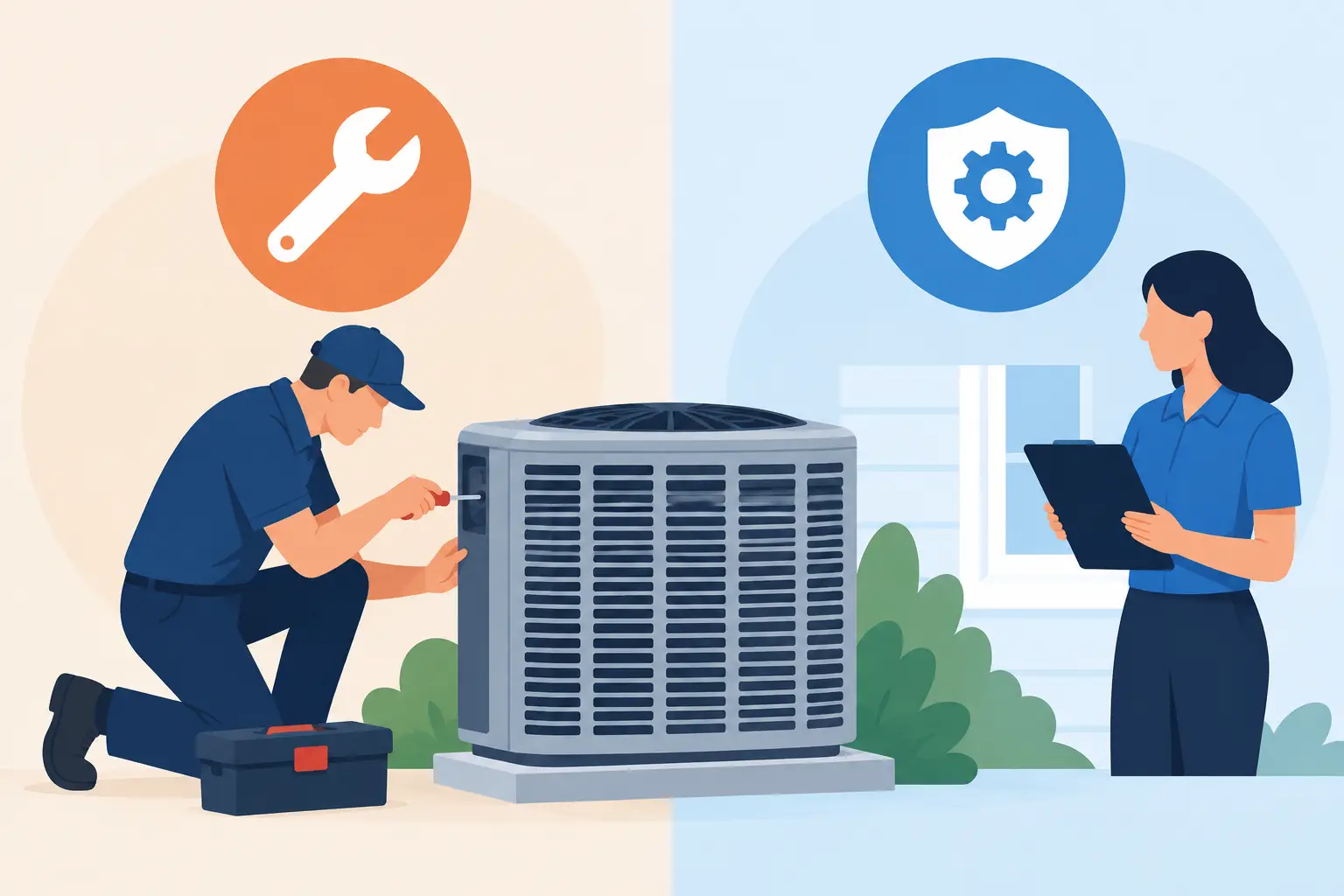
Indoor air quality and HVAC reliability are closely connected. A neglected system can circulate more dust, struggle with moisture removal, develop odors, and consume more energy. Preventive maintenance gives technicians a chance to inspect filters, coils, drain systems, blower components, electrical connections, and overall airflow before a smaller issue becomes a disruptive office problem.
For facility managers, scheduled maintenance also helps make costs more predictable. Rather than waiting for the air conditioner to fail during a hot workday, regular service creates an opportunity to plan repairs and discuss equipment options honestly. If a repair will restore dependable performance, it should be considered before jumping straight to replacement.
Custom Climates approaches office comfort with that repair-first mindset. The best recommendation is the one that addresses the building’s actual needs, respects the budget, and helps the system serve the team reliably through changing Texas weather.
When to Request a Professional Air Quality Evaluation
Some concerns deserve prompt attention. Schedule service if you notice persistent musty or burning smells, visible moisture or mold, water around HVAC equipment, uneven temperatures, repeated employee complaints, unusually high humidity, or a sudden increase in dust. These signs do not always mean there is a serious health hazard, but they do mean the system and space should be checked.
If employees report severe symptoms or the building has a known moisture problem, involve the appropriate health, environmental, or building professionals as well. HVAC service is a key part of cleaner air, but some situations require a broader assessment of the building materials, ventilation design, or occupant exposure.
A comfortable office should not leave people wondering whether the air is contributing to the way they feel at work. A few practical checks now can protect comfort, reduce unnecessary energy waste, and give your team a cleaner place to focus on the work that matters.


Leave A Comment