
A rooftop unit that runs all afternoon but leaves the back offices warm is not just a comfort complaint. It can be a sign that your business is paying for wasted energy, uneven airflow, or equipment that is working harder than it should. Commercial HVAC efficiency upgrades give Texas business owners and facility managers a practical way to reduce that strain without automatically replacing every piece of equipment.
For businesses in the Dallas-Fort Worth area, efficiency has to hold up through long stretches of extreme summer heat, busy operating hours, and occasional winter freezes. The right improvement depends on your building, equipment age, occupancy, budget, and plans for the property. A repair-first assessment can often identify meaningful savings before a full system replacement is necessary.
Start With What Your HVAC System Is Telling You
Higher utility bills get attention, but they are only one efficiency signal. Rooms that are consistently too hot or too cold, rising humidity, frequent service calls, noisy operation, and equipment that runs for long periods without reaching the thermostat setting all deserve a closer look.
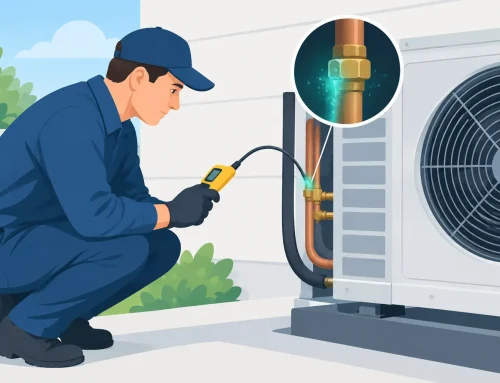
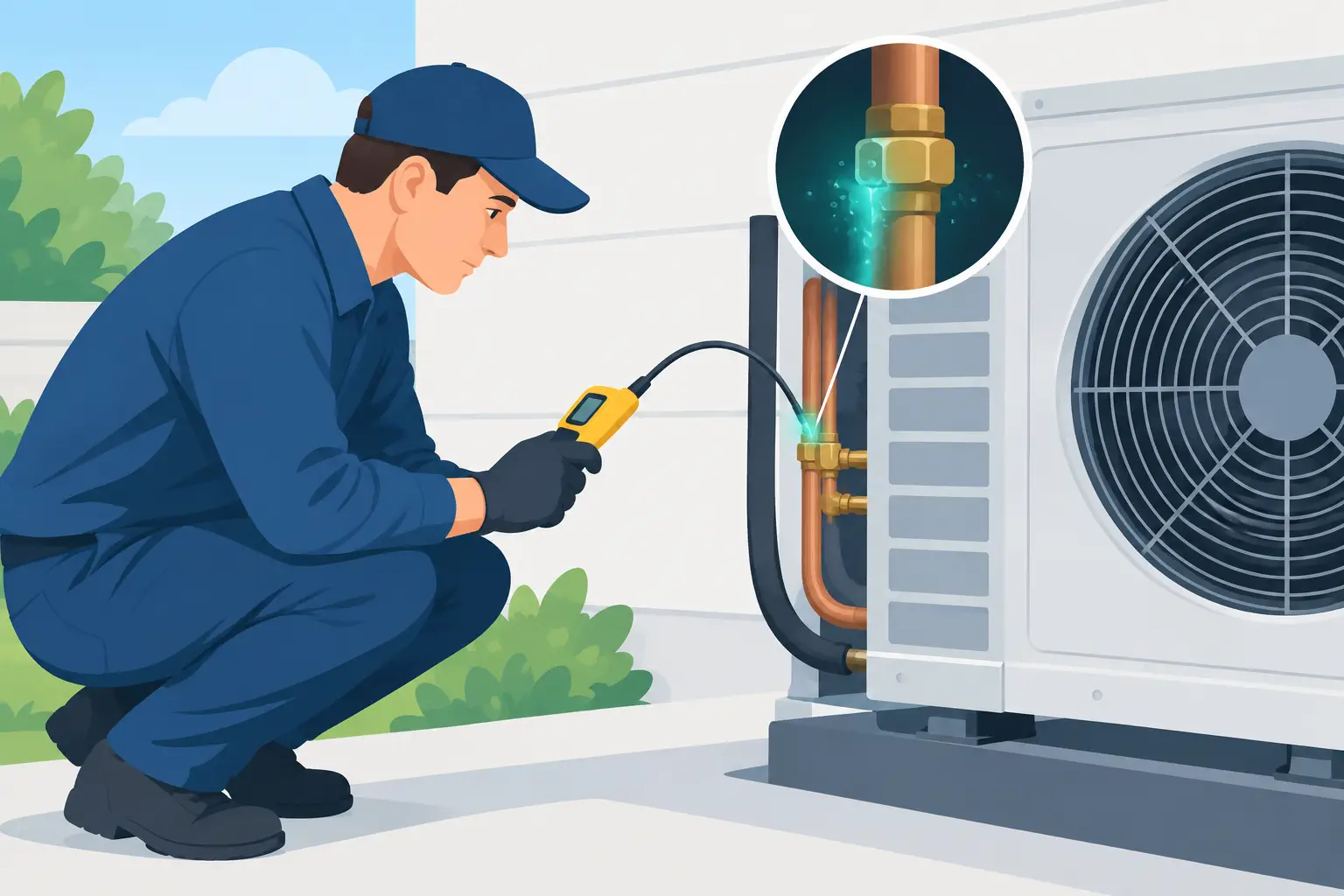
A qualified technician should inspect more than the unit itself. Duct leakage, poor return-air pathways, blocked vents, failing controls, dirty coils, incorrect refrigerant charge, and outdoor-unit restrictions can all increase energy use. In a commercial space, changes in occupancy or interior layout can also create new comfort problems that the original HVAC design was never asked to handle.
This is why an honest recommendation begins with diagnostics. Replacing equipment may be the right decision for an older, unreliable system, but it is not the answer to every comfort issue. Correcting an airflow problem on a serviceable unit may deliver a better result at a much lower upfront cost.
Commercial HVAC Efficiency Upgrades Worth Considering
The most valuable improvements are the ones that address a real source of waste. That may mean a straightforward maintenance repair, a targeted control upgrade, or a planned equipment replacement. Here are the upgrades that commonly make a difference for local offices, retail spaces, restaurants, and other commercial properties.
Smart thermostats and programmable controls
Many businesses still operate on a fixed schedule that does not match when people are actually in the building. Programmable thermostats and commercial-grade controls can reduce unnecessary runtime during evenings, weekends, and slower periods while bringing temperatures back to comfortable levels before employees or customers arrive.
The trade-off is that scheduling must be set up thoughtfully. Turning equipment down too far during a hot Texas weekend can make Monday morning recovery difficult, especially in a building with high heat gain. Controls should support your hours and comfort needs, not create a new problem for your staff.
Variable-speed equipment and fan upgrades
Traditional systems often run at one speed: on or off. Variable-speed motors and compatible equipment can adjust output more gradually, helping maintain steadier temperatures and, in many cases, using less energy during lighter demand periods. They can also improve humidity control, which matters when indoor air feels sticky even though the thermostat is set correctly.
Not every existing system can accept the same upgrades, and compatibility matters. A technician can determine whether a motor replacement, fan adjustment, or larger equipment plan makes financial sense for your system.
Better airflow and duct improvements
Conditioned air that leaks into an attic, ceiling cavity, or unoccupied area is money leaving the building. Leaky ducts, disconnected sections, crushed flex duct, and inadequate returns make equipment work harder while leaving occupied spaces uncomfortable.
Duct repair and balancing can be especially helpful when one side of a building struggles while another is cold. Before adding a second system or upsizing equipment, it is wise to confirm that the air you are already paying to cool or heat is reaching the right places.
Higher-efficiency replacement equipment
When a commercial unit is near the end of its service life, needs costly recurring repairs, or no longer keeps up during peak weather, replacement may be the responsible long-term choice. Newer high-efficiency systems can provide better performance, more dependable operation, and lower energy use than aging equipment.
The best replacement is not necessarily the largest unit or the model with the highest efficiency rating. Oversized equipment can cycle too quickly, create uneven temperatures, and struggle with humidity. Equipment should be selected around a proper load evaluation, your building use, and the level of reliability your operation requires.
Maintenance Is an Efficiency Upgrade, Too
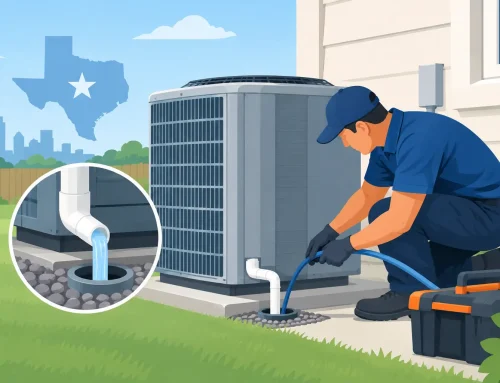
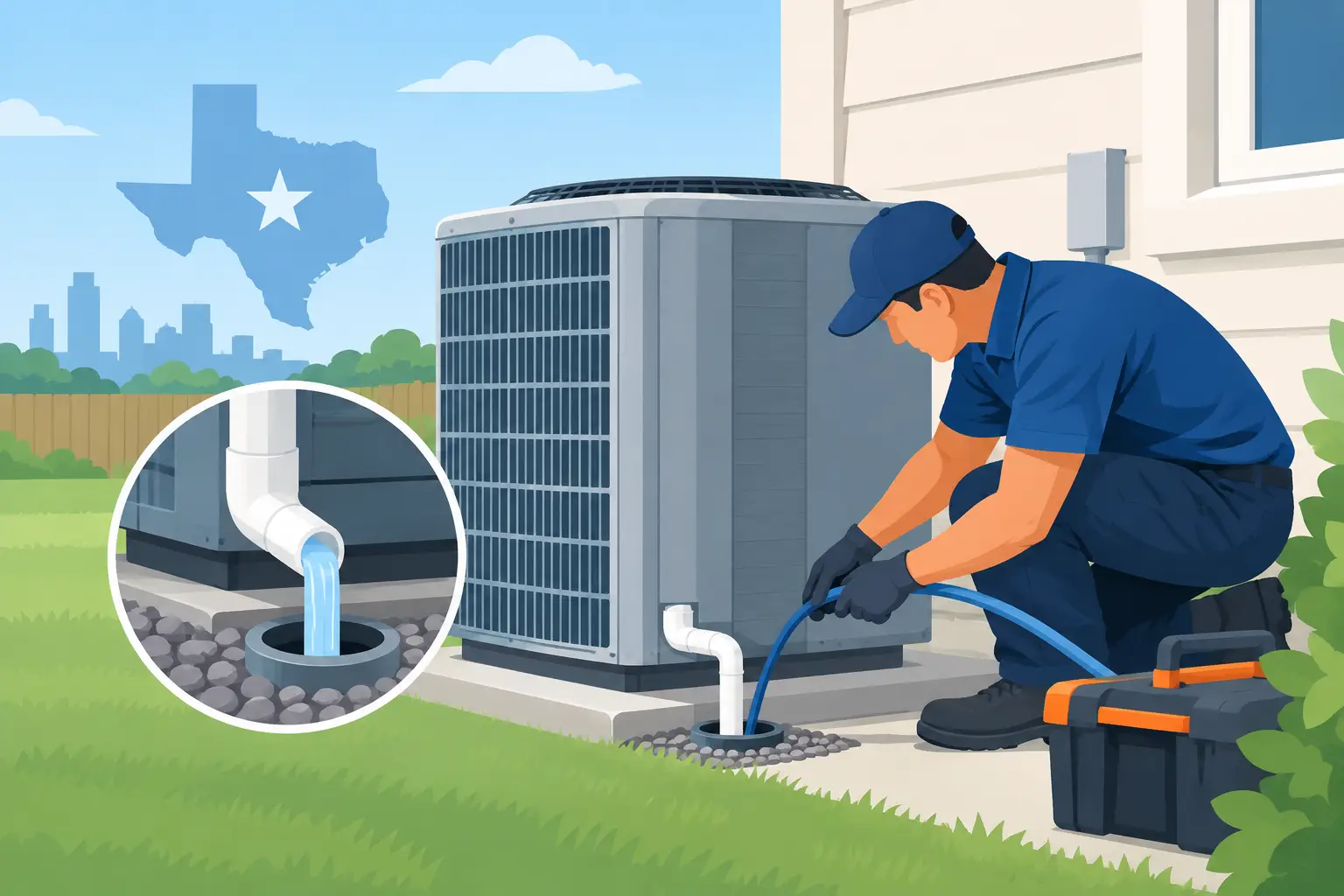
A system does not have to be old to waste energy. Dirty filters restrict airflow. Coils coated with dust and debris cannot transfer heat efficiently. Loose electrical connections, worn belts, drainage issues, and failing capacitors can turn a small problem into an expensive interruption.
Preventive maintenance gives a technician the chance to catch these issues before the busiest part of the season. For commercial property owners, it also creates a record of system condition and repair history. That information makes budgeting easier when it is time to decide whether continued repair or replacement is the better investment.
Your team can help between service visits by keeping supply and return vents clear, changing filters on schedule, avoiding thermostat adjustments throughout the day, and keeping debris away from outdoor equipment. These simple steps protect airflow and help the system operate as intended.
Put Comfort, Air Quality, and Efficiency Together
Efficiency is not simply about using fewer kilowatt-hours. A business also needs employees who can work comfortably, customers who want to stay, and indoor air that feels clean and properly conditioned. Poor ventilation, excess humidity, and airborne particles can affect comfort even when the temperature looks normal on a thermostat.
Indoor air quality solutions may be appropriate when a building has persistent odors, dust concerns, humidity issues, or high occupancy. The right option depends on the concern. Filtration improvements can help in one space, while ventilation adjustments or humidity control may be more useful in another. No single product solves every air-quality concern, so recommendations should be based on the building and how it is used.
How to Prioritize Upgrades Without Overspending
A practical plan begins by separating urgent reliability needs from improvements that can be scheduled. If a failing component is threatening a shutdown during summer, repair comes first. If the equipment is dependable but utility costs are climbing, controls, airflow corrections, and maintenance may be the logical first investments.
For larger projects, consider the full cost of ownership rather than the purchase price alone. Ask how much longer the current equipment is expected to last, what repairs are likely, how downtime would affect your business, and whether the proposed upgrade will solve the actual comfort problem. A lower-cost repair may be the smart call when equipment still has useful life. On the other hand, repeated emergency repairs on an aging unit can cost more over time than a planned replacement.
It also helps to plan around your business calendar. Replacing a rooftop unit or completing major duct work is usually easier during a slower period than in the middle of your busiest season. Financing options and phased improvements can make a necessary project more manageable without sacrificing the quality of the work.
Get Recommendations Built Around Your Building
Commercial HVAC systems are not one-size-fits-all, and the advice you receive should not be either. A small professional office, a busy retail space, and a warehouse with intermittent occupancy may all need different solutions, even if they have similar equipment.
Custom Climates helps North Texas businesses evaluate repair needs, maintenance priorities, equipment condition, airflow, and comfort concerns with the goal of protecting both operations and budget. The right next step may be a repair, a service plan, or a carefully selected upgrade – not a sales pitch for equipment you do not need.
When your building starts showing signs of waste or uneven comfort, addressing it early gives you more options. A clear assessment now can help your business stay cooler, more reliable, and better prepared for the next Texas heat wave.




Leave A Comment