
A Texas AC failure rarely arrives at a convenient time. It may be 102 degrees outside, the house is warming fast, and you are suddenly weighing repair versus HVAC financing while trying to keep your family, employees, or customers comfortable. The right answer is not always replacement, and it should never be a high-pressure decision.
At Custom Climates, we believe a working system deserves an honest chance at repair. But when repeated breakdowns, rising utility costs, or major component failures make repairs less practical, financing a replacement may be the better way to protect your budget and comfort. The decision comes down to the condition of your equipment, the cost and expected life of the repair, and what makes sense for your property.
Start With a Clear Repair Diagnosis
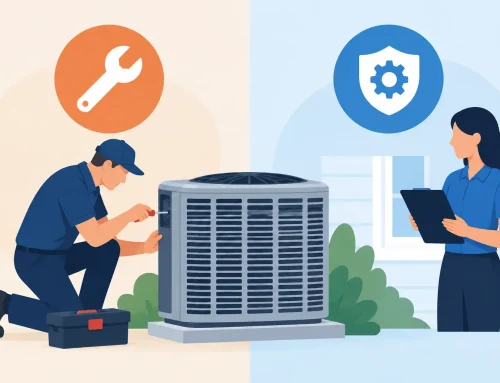
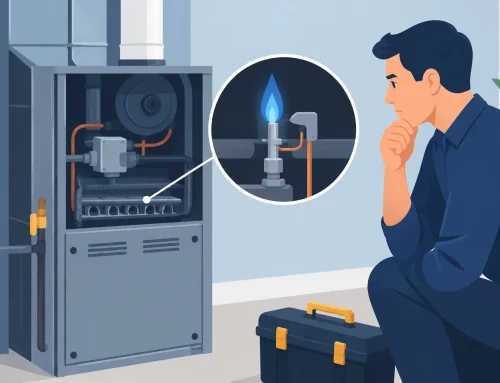
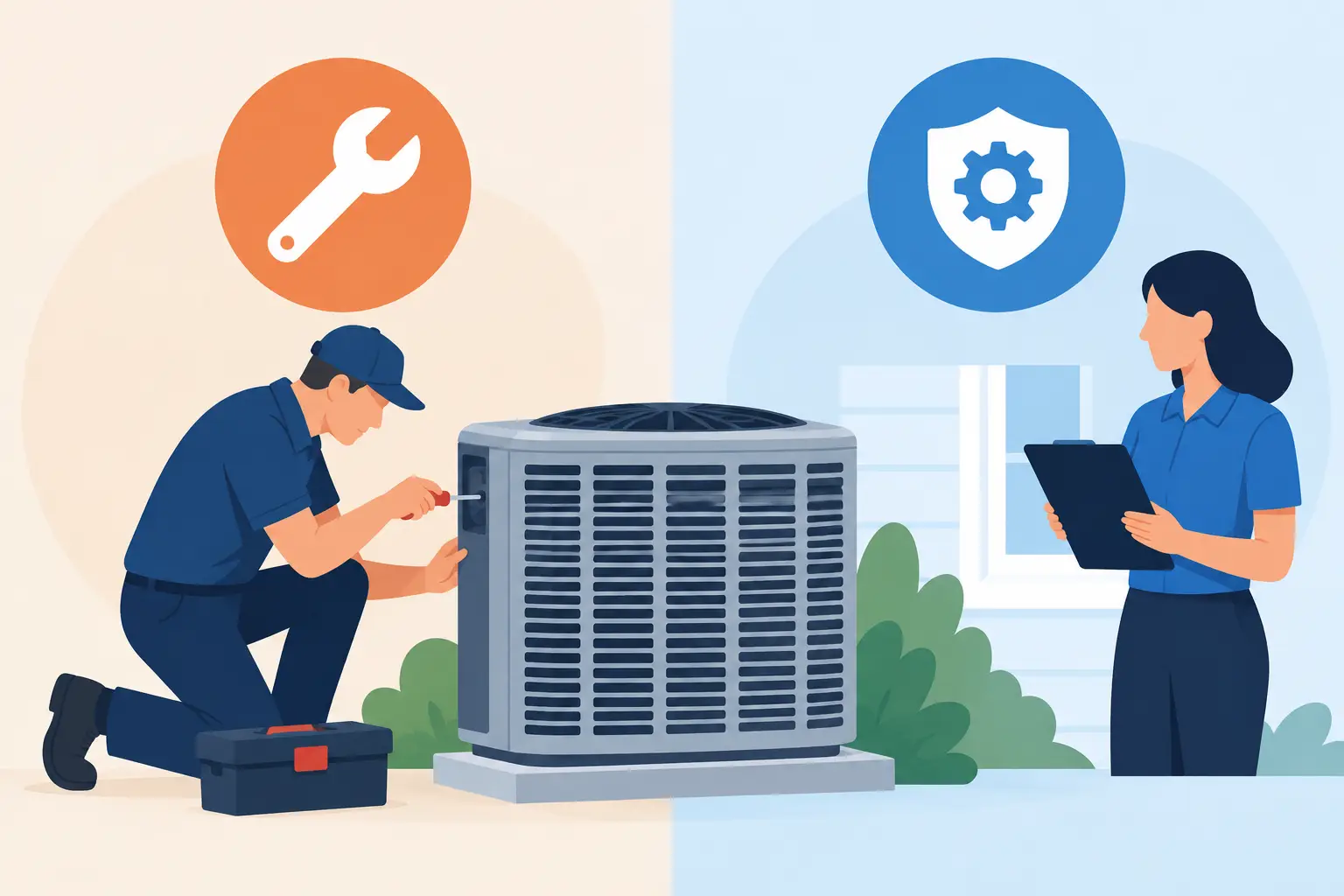
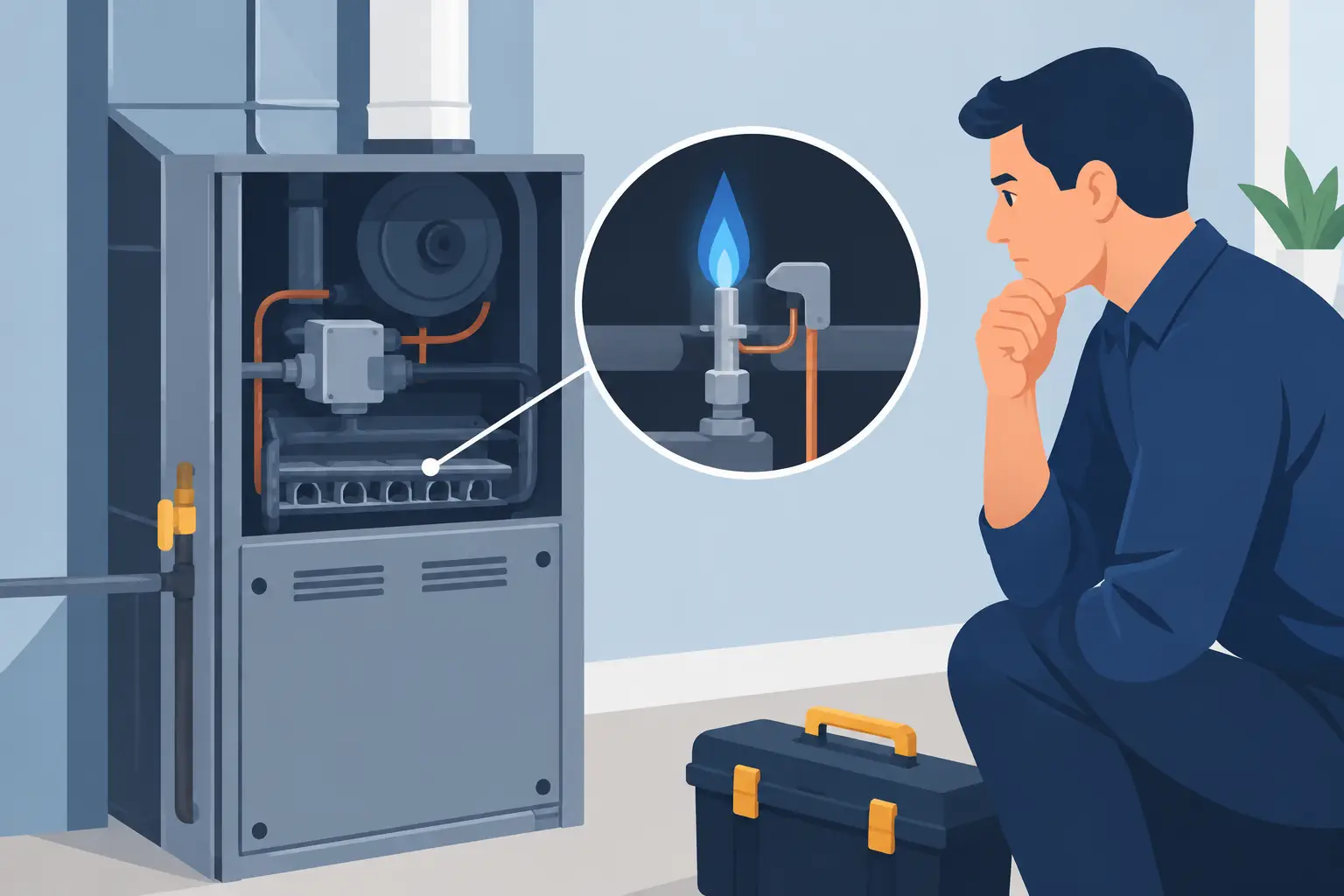
Before discussing a new system, get a thorough diagnosis. Some of the most frustrating HVAC problems have relatively straightforward fixes: a failed capacitor, worn contactor, clogged drain line, thermostat issue, dirty coil, loose electrical connection, or refrigerant-related concern. A qualified technician should explain what has failed, why it failed, what the repair includes, and what the likely outcome will be.
A repair-first recommendation is especially reasonable when your equipment has been maintained, the issue is isolated, and the system is still within a reliable stage of its life. Many central air conditioners and furnaces can provide dependable service for 10 to 15 years or longer with proper care, although North Texas heat, long cooling seasons, installation quality, and maintenance history all matter.
Repair can also be the sensible choice when you need immediate relief and the system has several good years left. Restoring cooling today does not prevent you from planning for a future replacement on your own timeline. That can give you time to compare equipment options, consider efficiency goals, and prepare your household or business budget.
When Repair Is Usually the Better Value
Age alone does not mean an HVAC system needs to be replaced. A well-maintained 11-year-old unit with a minor electrical repair may be a much better candidate for repair than a poorly maintained 7-year-old unit with a major compressor problem.
In general, repair deserves serious consideration when the cost is manageable compared with replacement, the unit has not had a pattern of recent failures, and the repair addresses a specific problem rather than temporarily covering up a larger issue. If the repair comes with a workmanship or parts warranty, that adds valuable peace of mind.
The type of repair matters, too. Replacing a capacitor is very different from replacing a compressor, repairing a major refrigerant leak, or addressing an obsolete part that is difficult to source. Your technician should help you understand that difference in plain language.
For commercial property owners, repairs can be particularly valuable when a replacement requires planning around operating hours, tenant needs, rooftop access, or a larger equipment project. A reliable repair may keep the building comfortable while you plan a replacement properly instead of making a rushed decision.
Repair Versus HVAC Financing: When Replacement Makes Sense
HVAC financing can make a replacement more manageable when a system has reached the point where continuing repairs no longer protects your budget. Rather than absorbing the full equipment cost at once, qualified customers may be able to spread the investment into scheduled payments. That can be helpful during an unexpected summer breakdown, especially when comfort cannot wait.
Replacement is often worth considering when the existing system is near or beyond its expected service life and has a history of costly repairs. It may also be the stronger option if a major component has failed, the equipment uses an older refrigerant, or the system cannot keep up with your home or business even after service.
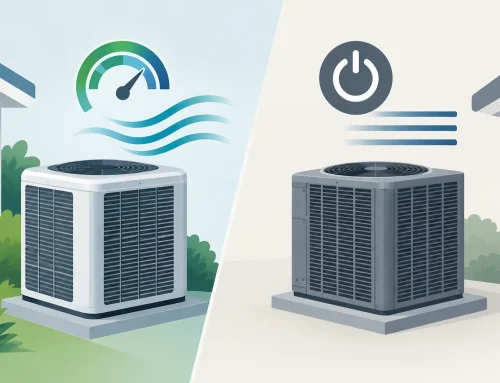
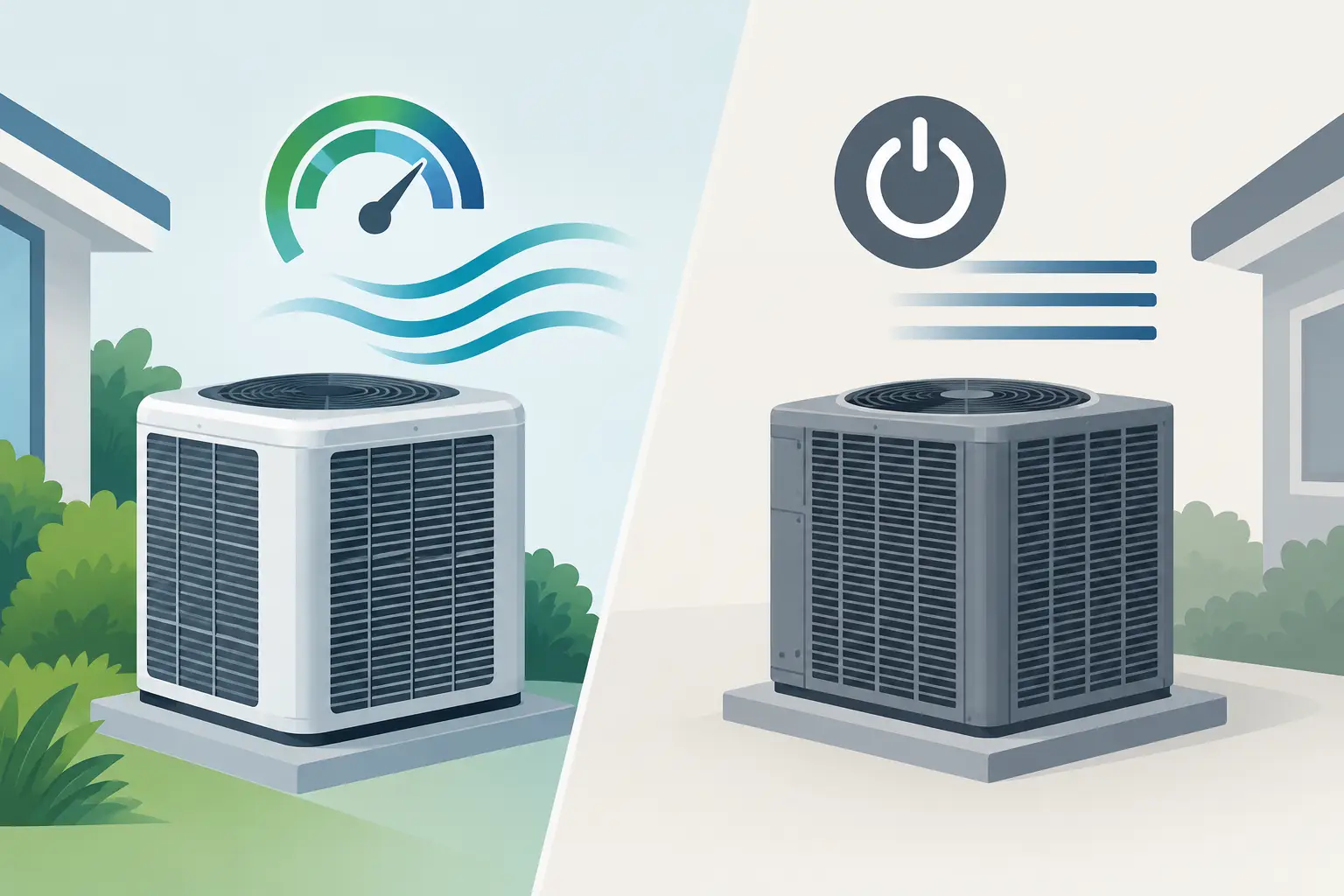
High energy use is another part of the conversation. An aging unit may still run, but it can run for long periods, struggle to remove humidity, and drive up electric bills during a Texas summer. A properly sized, professionally installed high-efficiency system may lower energy waste while delivering more consistent comfort. Savings vary by equipment, building conditions, thermostat habits, insulation, ductwork, and local utility rates, so they should be viewed as one factor rather than a promise.
Financing is not automatically the best answer simply because it is available. Monthly payments, interest rates, repayment terms, fees, and qualification requirements all deserve a careful review. Ask for the full installed price, what the proposal includes, available warranties, and the total cost over the life of the financing plan. A trustworthy contractor will give you room to make an informed choice.
Watch for the Cost of Repeated Breakdowns
One repair can be a smart investment. Several expensive repairs in a short period can be a warning sign that it is time to look at replacement options.
Consider the full picture: repair invoices, emergency service calls, time without cooling or heat, higher utility bills, and the inconvenience of an unreliable system. For a business, downtime can also affect employees, customers, inventory, and daily operations. For a family, it can mean sleepless nights, uncomfortable children or older relatives, and humidity building indoors when you need cooling most.
A helpful question is not simply, “Can this be repaired?” Most systems can be repaired at some level. The better question is, “Will this repair give us dependable comfort for a reasonable period of time?” The answer depends on the system’s condition and your plans for the property.
If you expect to remain in your home for many years, a new system may provide more value through reliability, efficiency, and warranty coverage. If you are preparing to sell soon, a targeted repair may be the appropriate choice. There is no one-size-fits-all answer.
Do Not Overlook Sizing, Ductwork, and Indoor Air
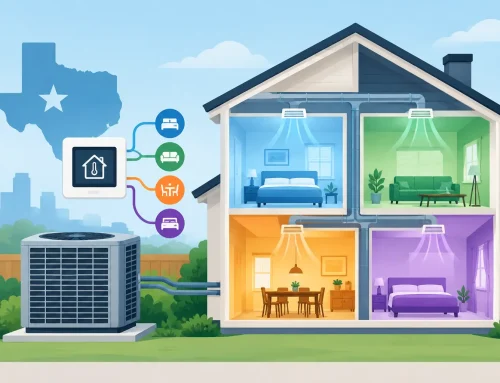
Replacing equipment without evaluating the whole comfort system can create new problems. A unit that is too large may cycle on and off too quickly, while an undersized unit may run constantly during peak heat. Duct leaks, restricted airflow, insulation gaps, and thermostat placement can also make a new system seem less effective than it should be.
This is also a good time to discuss indoor air quality. Filtration upgrades, humidity control, UV solutions where appropriate, and ventilation considerations may help create a cleaner, more comfortable indoor environment. For homes with allergy concerns or businesses with shared indoor spaces, those details can matter just as much as the equipment itself.
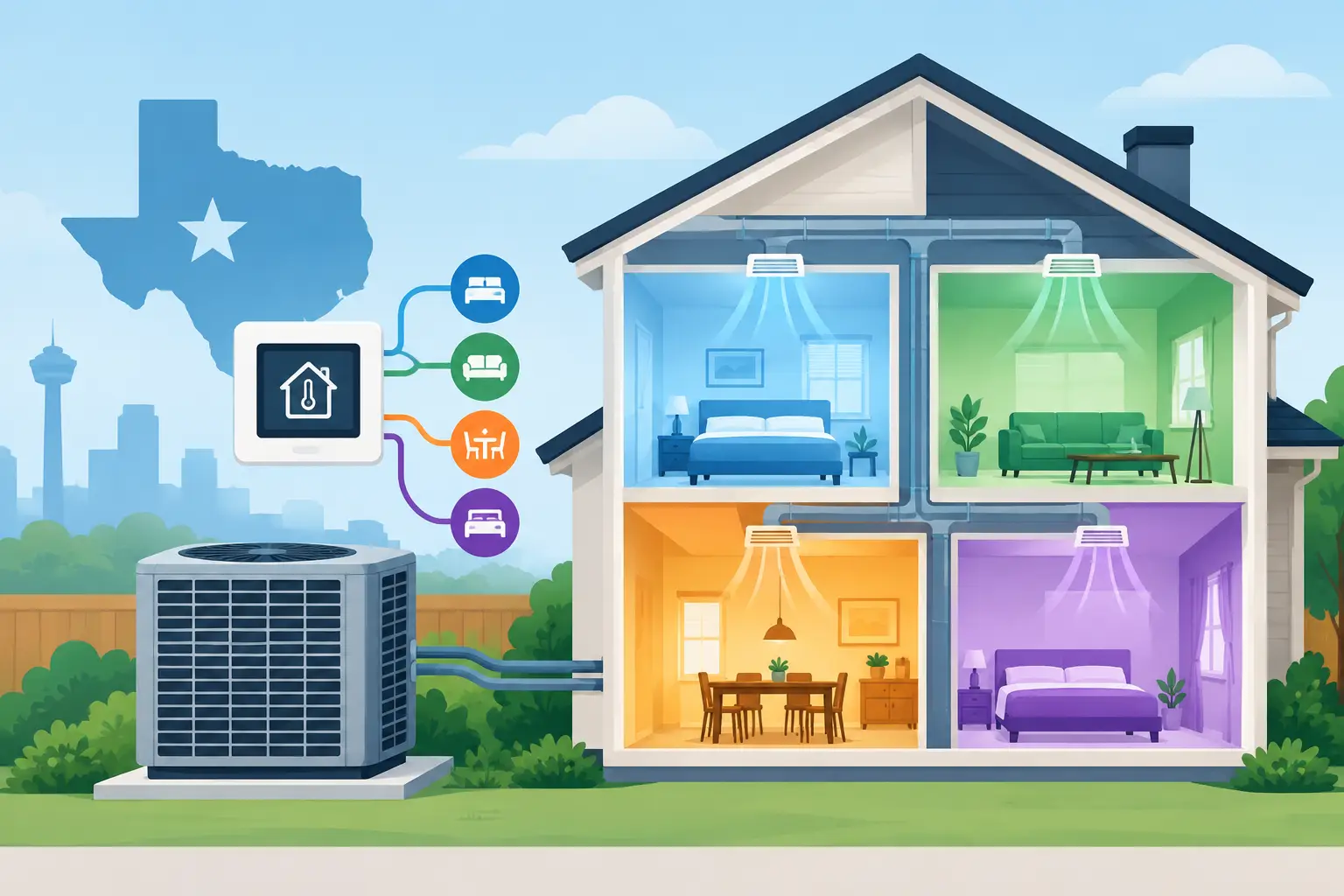
A customized recommendation should account for your square footage, building layout, existing duct system, comfort concerns, budget, and timeline. Equipment is a long-term investment, not just a box installed outside.
Questions to Ask Before You Decide
When you are presented with a repair estimate and a replacement proposal, ask what caused the failure and whether there are related issues likely to follow. Ask how much useful life the technician reasonably expects after the repair. If replacement is recommended, ask why that option is more practical now, what equipment size is proposed, and what warranties apply.
You should also ask whether preventive maintenance could reduce future surprises. Seasonal service can catch worn parts, drainage issues, airflow restrictions, and performance concerns before a hot afternoon turns them into an emergency. It will not prevent every failure, but it can make equipment more dependable and help you make replacement plans before you are forced into a decision.
For homes and businesses across Celina, Van Alstyne, and the Dallas-Fort Worth area, comfort decisions deserve straight answers. Whether your system needs a repair today or you are considering financing for a replacement, choose a team that explains the options clearly and respects your budget.
The next step is simple: have the system evaluated, review the real condition of the equipment, and make the choice that lets you move forward with confidence. Your comfort should feel cared for, not sold to.
Leave A Comment