
When your air conditioner starts, runs for only a few minutes, shuts off, and then starts again soon after, comfort can disappear fast. If you are asking, “why does HVAC short cycle?” the answer is usually that something is preventing the system from completing a normal cooling or heating cycle. In North Texas, that can mean higher utility bills, extra wear on costly equipment, and a home or business that never feels consistently comfortable.
A healthy HVAC system should run long enough to bring the indoor temperature to the thermostat setting, then rest until the space needs conditioning again. Short cycling is different. It is repeated, premature on-and-off operation, and it deserves attention before a small repair becomes a major breakdown during a Texas heat wave.
Why Does HVAC Short Cycle?
Short cycling is a symptom, not a diagnosis. The cause may be as simple as restricted airflow or as involved as an electrical issue, refrigerant problem, or equipment that was not properly sized for the building.
Because several problems can create the same symptom, it is best not to assume the unit needs replacement. A repair-first inspection can identify what is actually happening and help you make a decision that fits your comfort needs, timeline, and budget.
A dirty air filter or blocked airflow
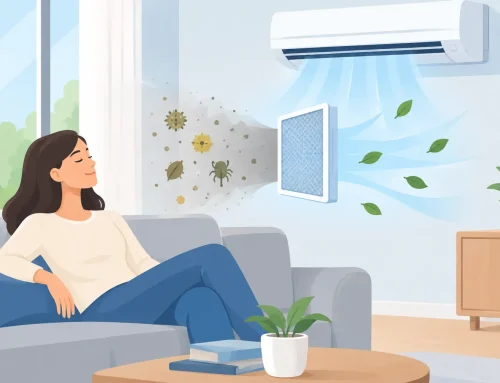
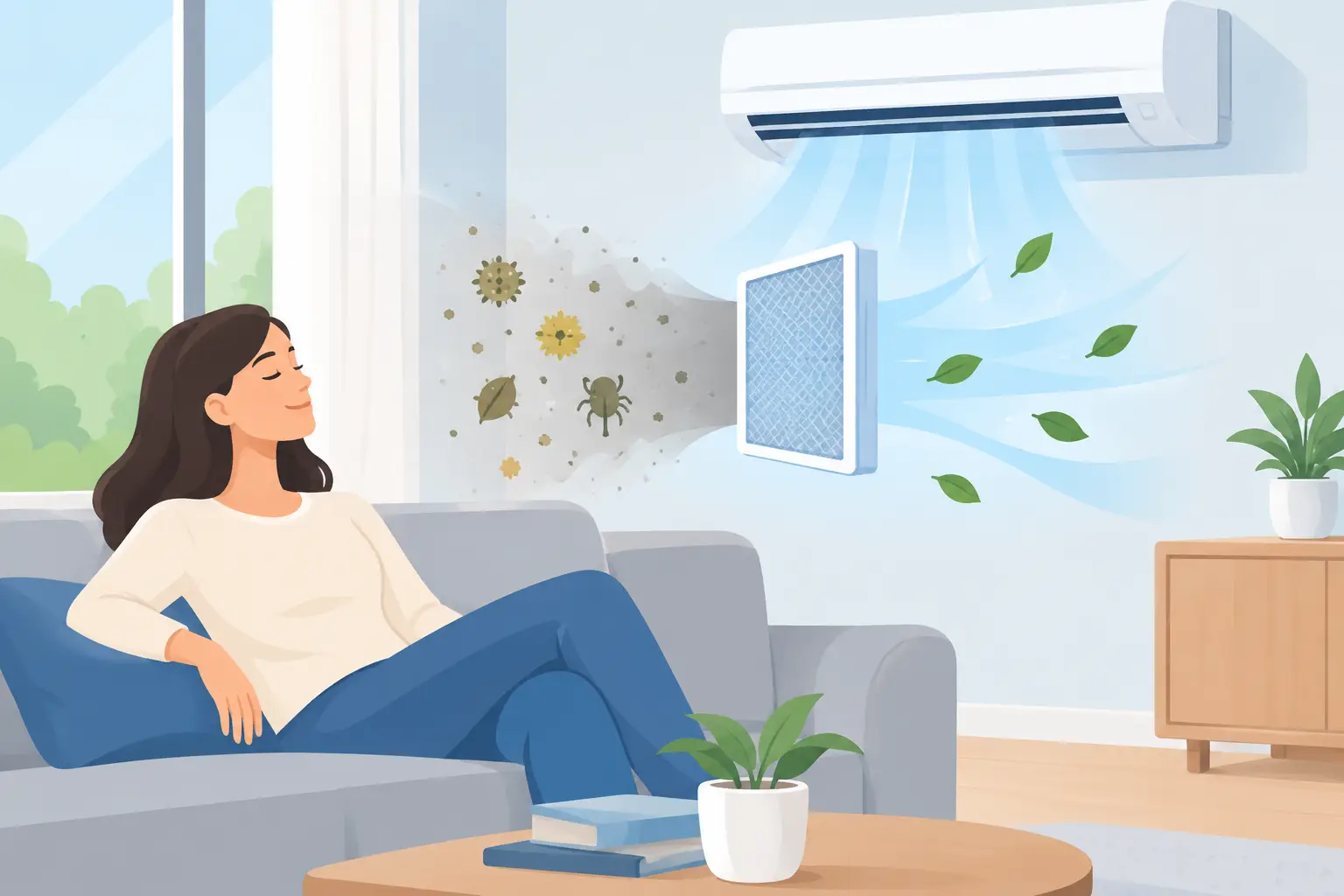
A clogged filter is one of the most common reasons an HVAC system struggles. When the system cannot pull enough air through the return, it may overheat in heating mode or freeze at the indoor coil in cooling mode. Safety controls can then shut the system down early.
Check the filter first. If it looks gray, packed with dust, or has not been changed according to its recommended schedule, replace it with the correct size and type. Also make sure return grilles and supply vents are open and not covered by furniture, rugs, boxes, or curtains.
A clean filter does not solve every airflow problem. Dirty indoor coils, a failing blower motor, crushed ductwork, or undersized returns can also restrict airflow. Those issues need a trained technician to evaluate safely.
Thermostat placement or thermostat trouble
Your thermostat makes decisions based on the temperature where it is installed, not on the temperature throughout the whole house or business. If it sits near a sunny window, a kitchen, a supply vent, or equipment that produces heat, it can get a false reading and shut the system off too soon.
A thermostat with weak batteries, loose wiring, incorrect settings, or a failing sensor can do the same thing. Before calling for service, confirm that the thermostat is set to the right mode, the temperature setting is reasonable, and the fan is set to Auto rather than On. If batteries are used, replace them.
Avoid turning the thermostat sharply up and down in an effort to force longer cycles. That rarely fixes the cause and can make it harder to notice the unit’s normal operating pattern.
Refrigerant issues in an air conditioner or heat pump
Air conditioning systems need the correct amount of refrigerant to move heat effectively. A low refrigerant charge, often caused by a leak, can lead to frozen coils, poor cooling, and short cycling. You may notice warm air from vents, ice on refrigerant lines, hissing sounds, or indoor humidity that will not come down.
Refrigerant is not something to top off without finding the reason it is low. A professional should inspect for leaks, make the appropriate repair, and charge the system to manufacturer specifications. Adding refrigerant without correcting a leak can waste money and leave the underlying problem in place.
If you see ice on the indoor or outdoor unit, turn the cooling system off and set the fan to On if it is still operating normally. This can help the ice thaw. Then schedule service rather than repeatedly restarting the equipment.
An oversized HVAC system
Bigger is not always better when it comes to heating and cooling. An oversized air conditioner can cool the thermostat area quickly, shut off early, and restart soon after. It may seem powerful, but it often leaves other rooms uneven and removes less humidity because it does not run long enough.
This matters in the Dallas-Fort Worth area, where summer humidity can make a home feel sticky even when the thermostat says it is cool. An oversized furnace can also short cycle by heating the space too quickly.
Correcting an oversized system is more involved than changing a filter, and replacement is not always the first answer. A technician should look at system performance, duct design, airflow, insulation, thermostat location, and the building’s actual load before recommending equipment changes. A properly sized system should be selected for the property, not just based on the size of the old unit.
Dirty outdoor equipment and condenser problems
Your outdoor air conditioner or heat pump has to release heat outside. Grass clippings, leaves, cottonwood, dirt, or shrubs pressed against the unit can limit that process. When heat cannot leave the system efficiently, pressures rise and safety controls may interrupt operation.
You can safely clear loose debris around the outdoor unit and keep several feet of open space around it. Do not bend the delicate coil fins, spray electrical components, or remove access panels. A deeper coil cleaning and performance check are jobs for an HVAC professional.
A failing capacitor, contactor, compressor, or fan motor can also cause the outdoor unit to start and stop unexpectedly. These components involve high voltage, even when the unit is not running. If you hear buzzing, clicking, grinding, or repeated attempts to start, turn the system off and arrange a service visit.
Drain line and safety switch issues
During cooling season, your system removes moisture from indoor air. That water drains through a condensate line. If the line clogs, water can back up into the drain pan. Many systems have a safety float switch that shuts cooling down to prevent water damage.
This is a valuable protection, but the result may look like short cycling or an AC that stops without warning. Signs include water near the indoor unit, a full drain pan, ceiling stains near attic equipment, or a musty smell around the air handler. A clogged drain line should be addressed promptly, especially before it damages drywall, insulation, or flooring.
When Short Cycling Needs Professional Service
A single brief cycle can happen when weather changes quickly or someone adjusts the thermostat. Repeated cycles throughout the day are different. Call for HVAC service if the system runs for less than about 10 minutes at a time under normal conditions, trips a breaker, blows warm air, forms ice, makes unusual noises, or cannot hold the set temperature.
For a gas furnace, shut the system off and seek help right away if you smell gas, notice soot, see a yellow burner flame instead of a steady blue flame, or a carbon monoxide alarm activates. Do not try to diagnose combustion or electrical problems on your own.
Commercial spaces should also act early. Short cycling can strain equipment, disrupt employee comfort, and create hot or cold zones that frustrate customers and tenants. Routine service helps facility managers catch performance changes before an unexpected outage affects operations.
How to Help Prevent HVAC Short Cycling
The most useful prevention is consistent maintenance. Replace filters on schedule, keep outdoor units clear, make sure vents are open, and have the system inspected before the peak cooling and heating seasons. Maintenance gives a technician the chance to test electrical components, clean critical areas, verify drainage, check airflow, and spot refrigerant concerns early.
If your system is more than 10 years old or has needed several repairs, ask for clear options rather than an automatic replacement recommendation. Sometimes a focused repair and maintenance plan can extend reliable service. Other times, replacing an inefficient or improperly sized unit can reduce breakdown risk and improve comfort. The right choice depends on the condition of your equipment and the needs of your property.
At Custom Climates, we treat short cycling as a problem to understand, not an excuse to sell equipment you may not need. A prompt inspection can protect your system, your energy budget, and the comfort of the people who depend on your space.


Leave A Comment