
A Texas AC failure rarely arrives at a convenient time. It shows up during a stretch of 100-degree weather, when the house will not cool down, the system is running nonstop, and a replacement was not part of the month’s budget. AC financing can help qualified homeowners and business owners move forward with a needed comfort solution without paying the full equipment cost all at once.
Financing is not a reason to replace an air conditioner that can be repaired. It is simply one way to make a well-considered replacement more manageable when repair is no longer the dependable or cost-effective choice. The right decision starts with an honest assessment of your system, your property, and your budget.
When AC Financing May Make Sense
Air conditioning equipment is a major investment, but waiting is not always the lower-cost option. An aging system can become less reliable during the hottest part of the year, use more electricity to produce less cooling, and require repeat repair visits. If the AC is over 10 years old, needs a costly major component, or has developed a pattern of breakdowns, it may be time to compare the cost of repair against replacement.
Financing can be especially useful when the existing unit has failed unexpectedly and your household needs cooling restored quickly. Rather than choosing the least expensive system available just to reduce the immediate bill, a payment plan may give you room to consider equipment that properly fits the home, supports your comfort needs, and offers better efficiency.
For commercial properties, the calculation can be even more immediate. A hot office, retail space, or shared work area affects employees, customers, inventory, and daily operations. Financing may allow a business to address a failing system without putting all of the cost into one operating period.
Still, replacement is not automatic. A straightforward repair on a newer system with no history of trouble can be the smarter path. A trustworthy HVAC company should explain both options clearly, including why a repair is recommended or why it may only delay a larger problem.
What to Compare Before Choosing AC Financing
The monthly payment matters, but it should not be the only number you review. Financing offers differ, and small details can change the total amount paid over time. Before signing, ask for the full equipment proposal and payment terms in writing so you can compare the complete picture.
Start with the amount financed. Does it cover the equipment, installation, required electrical or ductwork updates, permits, thermostat, and removal of the old unit? A low advertised payment can be less helpful if necessary work is excluded from the proposal.
Next, understand the annual percentage rate, loan term, and total repayment amount. A longer term can lower the monthly payment, but it may increase the interest paid overall. Some programs offer promotional periods with deferred interest. Those can be useful when you are confident the balance can be paid within the promotional window, but read the terms carefully. In some arrangements, interest may be charged retroactively if the balance is not paid in full by the deadline.
Also ask whether there is a prepayment penalty. The ability to make additional payments or pay off the balance early gives you more flexibility if your financial situation changes.
Look Beyond the Payment Amount
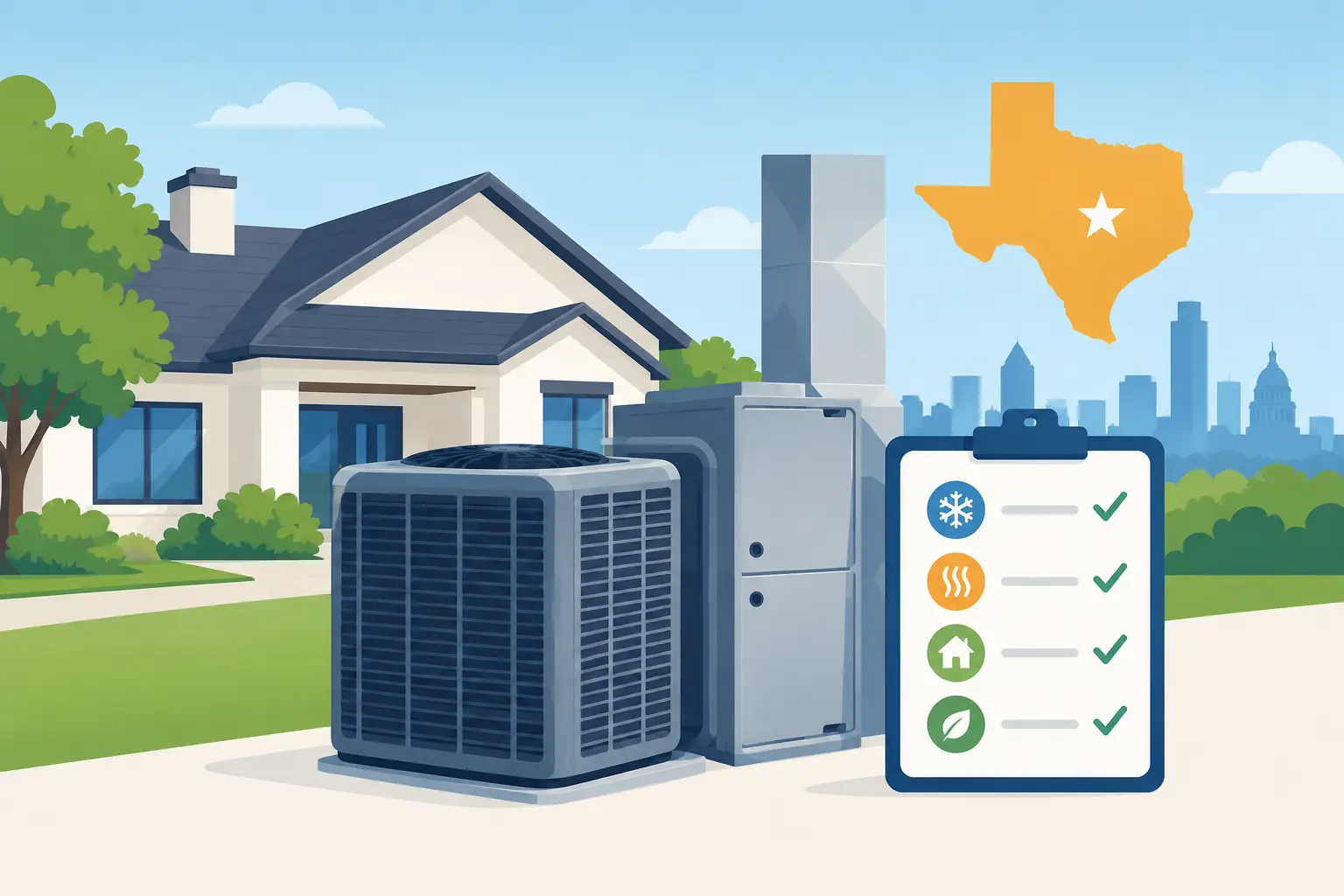
A payment that fits the budget today should also make sense over the life of the system. Consider the unit’s expected efficiency, warranty coverage, and the likelihood of future repair needs. A correctly sized, professionally installed system can improve comfort and reduce energy waste, but higher-efficiency equipment is not automatically the best answer for every property.
The best choice depends on factors such as insulation, window exposure, duct condition, how long you plan to own the property, and how you use the space. A family that keeps the home at a consistent temperature all summer may value efficiency differently than a homeowner who is frequently away. A business with high occupancy or heat-producing equipment may have different cooling demands than a small office.
This is why an in-home or on-site evaluation matters. Equipment should be recommended for the actual conditions of the building, not selected from a one-size-fits-all price sheet.
Repair First, Then Make a Clear Decision
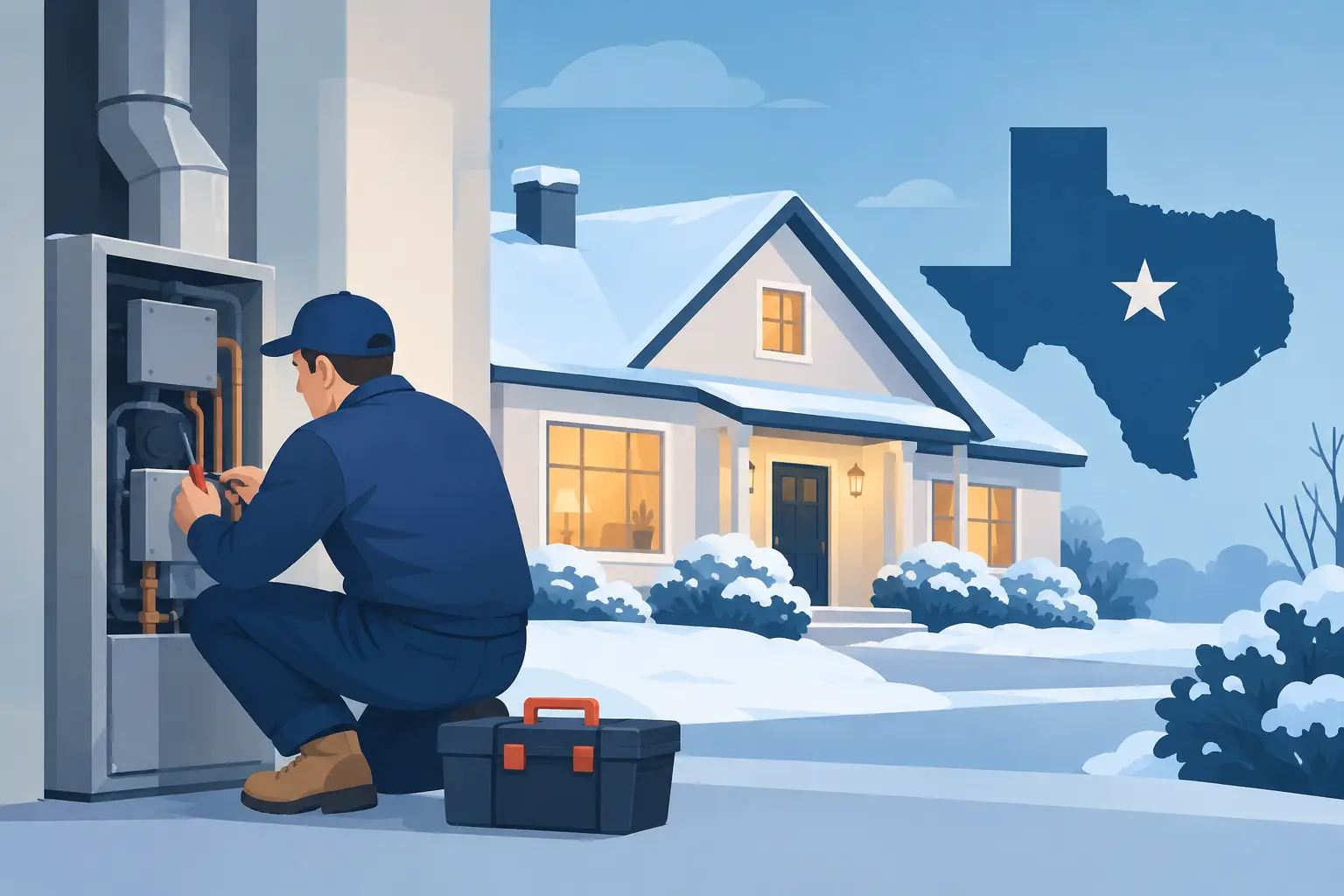
When your AC stops cooling, it is natural to worry that a replacement is coming. But many issues have repairable causes: a failed capacitor, electrical issue, clogged drain line, refrigerant leak, dirty coil, or worn component. A trained technician should diagnose the system before discussing equipment replacement.
There are times when repair remains the right investment. If the unit is relatively new, the repair is reasonable, and the rest of the system is in good condition, restoring it may protect your budget. Regular maintenance can also help catch small concerns before they turn into an emergency during peak summer heat.
Replacement deserves a closer look when repairs are becoming frequent, parts are increasingly expensive or difficult to source, or the system cannot maintain dependable comfort. If an older unit uses an outdated refrigerant or requires a major compressor repair, putting significant money into the old system may not provide lasting value. The goal is not to pressure you into new equipment. It is to help you avoid spending repeatedly on a system that is nearing the end of its useful life.
How to Keep a New System Affordable
Financing is one part of affordability. The other part is preventing avoidable costs after installation. A new air conditioner needs proper care to deliver the comfort and efficiency you expect.
Change or clean filters on schedule, using the filter type recommended for your system. Keep leaves, grass clippings, and stored items away from the outdoor unit so it can release heat properly. Inside, make sure supply and return vents are not blocked by furniture, rugs, or boxes. These small habits help airflow and reduce unnecessary strain.
Professional preventive maintenance is equally valuable. Seasonal service gives a technician the chance to inspect electrical connections, drainage, refrigerant performance, coils, safety controls, and other components that affect reliability. It also creates a record of your system’s condition, which can make future repair-or-replace decisions easier to understand.
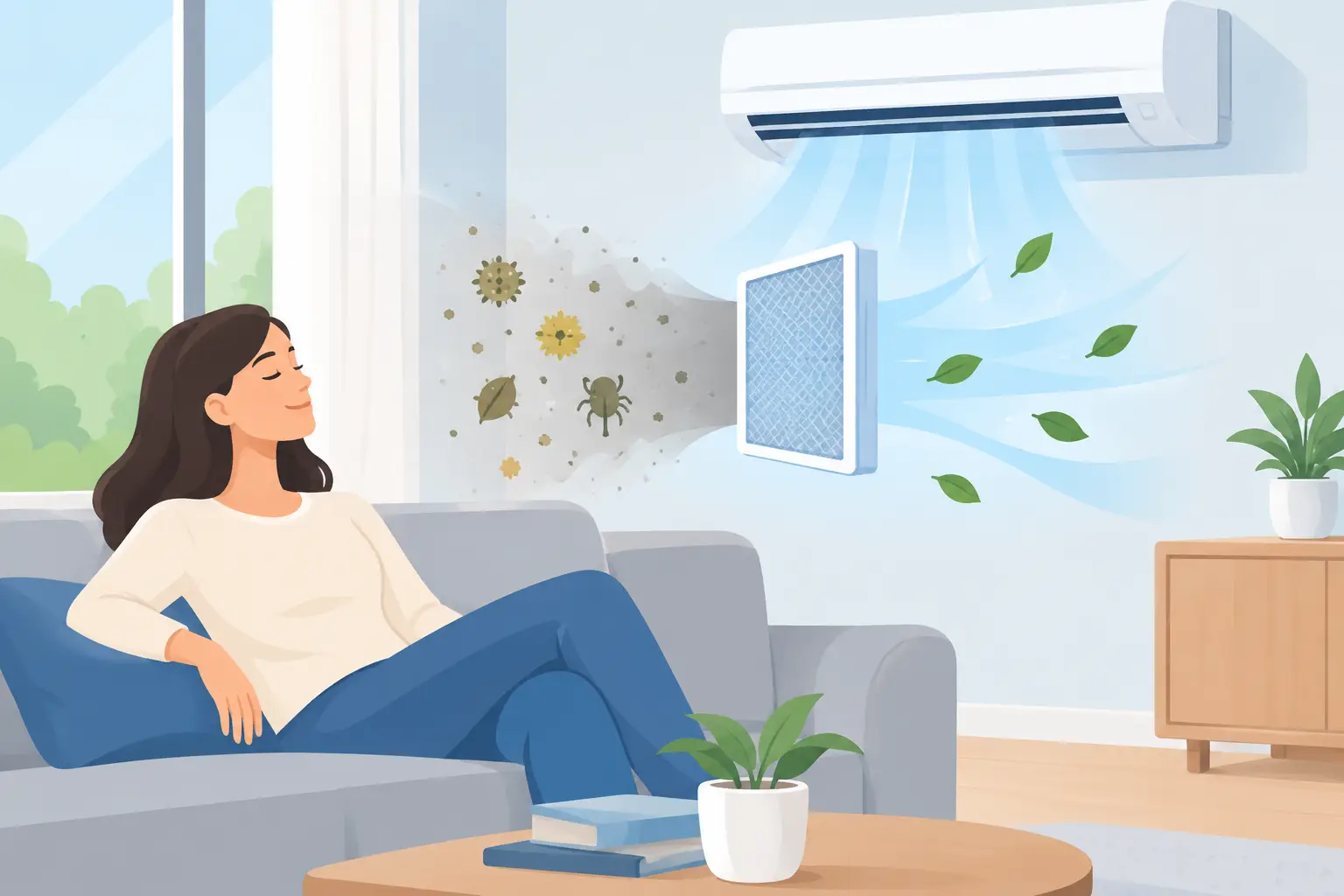
If indoor air quality is a concern, discuss it during the equipment consultation. Filtration, humidity control, and air-cleaning options can be considered alongside the AC system rather than treated as an afterthought. The right solution depends on allergies, pets, dust, occupancy, and the home or business layout.
Questions to Ask Before You Apply
Financing should feel clear, not confusing. Before you apply, ask the HVAC provider and lender what documentation is needed, whether approval affects your credit, what payment options are available, and when the first payment is due. Confirm who handles warranty registration, what labor coverage is included, and what happens if an installation issue needs attention after the work is complete.
It is also reasonable to ask for more than one equipment option. A good proposal may include a practical repair, a dependable replacement choice, and an efficiency-focused alternative where appropriate. That gives you a genuine decision instead of a sales pitch built around the highest-priced system.
At Custom Climates, the conversation should begin with what your system needs and what your budget can reasonably support. Texas weather is hard enough on HVAC equipment. You deserve straightforward answers, dependable workmanship, and a comfort plan that lets you make a decision with confidence.

Leave A Comment