
When North Texas pollen is coating cars, dust is blowing in from a dry spell, or indoor humidity makes a room feel clammy, allergy symptoms can follow families indoors. The best HVAC upgrades for allergies are not always the biggest or most expensive changes. The right solution depends on your home’s ductwork, current equipment, humidity levels, and the specific irritants affecting your household.
For a family with seasonal allergies, better filtration and regular system care may make the most practical difference. For a home with persistent dust, pet dander, or musty odors, the answer may include duct improvements, humidity control, or an indoor air quality system. A professional evaluation should start with the condition of the HVAC system, not a quick recommendation for equipment you may not need.
Start With Filtration That Your System Can Handle
A properly selected HVAC filter is often the first upgrade worth considering. Filters are rated using MERV, which measures how effectively a filter captures airborne particles. Higher-rated filters can capture smaller particles, including many forms of pollen, dust, mold spores, and pet dander.
More filtration is not automatically better, though. A very dense filter can restrict airflow if the system was not designed for it. Restricted airflow can make the air conditioner work harder, reduce comfort, raise energy use, and contribute to repair issues over time. That is especially concerning during a Texas summer, when your AC needs to move plenty of air to keep up with the heat.
Many homes benefit from a quality pleated filter in an appropriate MERV range, changed on schedule. The best choice depends on the blower capacity, return-air setup, household needs, and manufacturer guidance. If someone in the home has significant allergy concerns, ask an HVAC professional whether your equipment can support a higher-efficiency filter or whether a dedicated filtration cabinet would be a better fit.
Best HVAC Upgrades for Allergies: Whole-Home Air Cleaners
Portable room purifiers can be helpful in bedrooms and other high-use spaces, but they only treat the air in the room where they run. A whole-home air cleaner works with the central HVAC system to treat air as it circulates throughout the home.
Media air cleaners use a larger, deeper filter surface than a standard one-inch filter. Because they have more surface area, they may capture more particles while creating less airflow resistance than a restrictive standard filter. They also typically need replacement less often, although the exact schedule depends on the household, pets, construction activity, and filter type.
Electronic air cleaners are another option. These systems use electrically charged collection components to capture particles. They require routine cleaning to keep performing well, so they are a better choice for homeowners prepared to maintain them. The right air-cleaning setup should be chosen based on practical maintenance expectations, not just a product claim.
For offices, retail spaces, and other commercial settings, filtration upgrades can be especially valuable because more people share the same air throughout the day. A professional should confirm that any filter change will not create airflow problems for rooftop units, split systems, or existing ventilation equipment.
Use Humidity Control to Limit Allergy Triggers
Humidity affects more than comfort. When indoor air is too humid, it can create conditions that support mold growth and dust mites. When it is excessively dry, nasal passages and throats can feel irritated, and airborne dust may become more noticeable.
In North Texas, high indoor humidity is often the more common concern during cooling season. Your air conditioner naturally removes some moisture while it cools, but an oversized system, poor airflow, duct leakage, or equipment that runs in short cycles may leave the home cool without adequately drying the air.
A whole-home dehumidifier can be a smart upgrade for homes that stay damp or musty even when the AC is running. It is installed as part of the HVAC system and helps maintain steadier humidity across the house. This can be especially helpful in rooms with limited airflow, homes with multiple occupants, or properties where moisture problems keep returning.
Humidity control is not a substitute for correcting leaks, drainage problems, or visible mold. Those issues need to be addressed at the source. But once the home is properly sealed and maintained, balanced humidity can support a cleaner, more comfortable indoor environment.
Consider UV Treatment Where Moisture Is Present
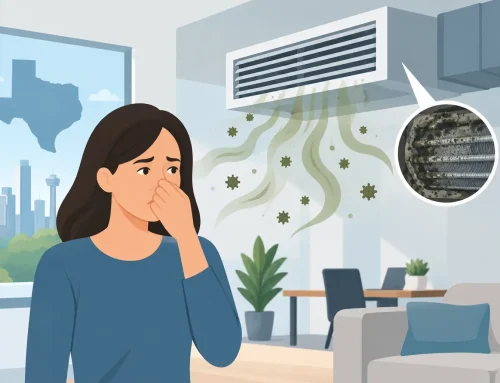
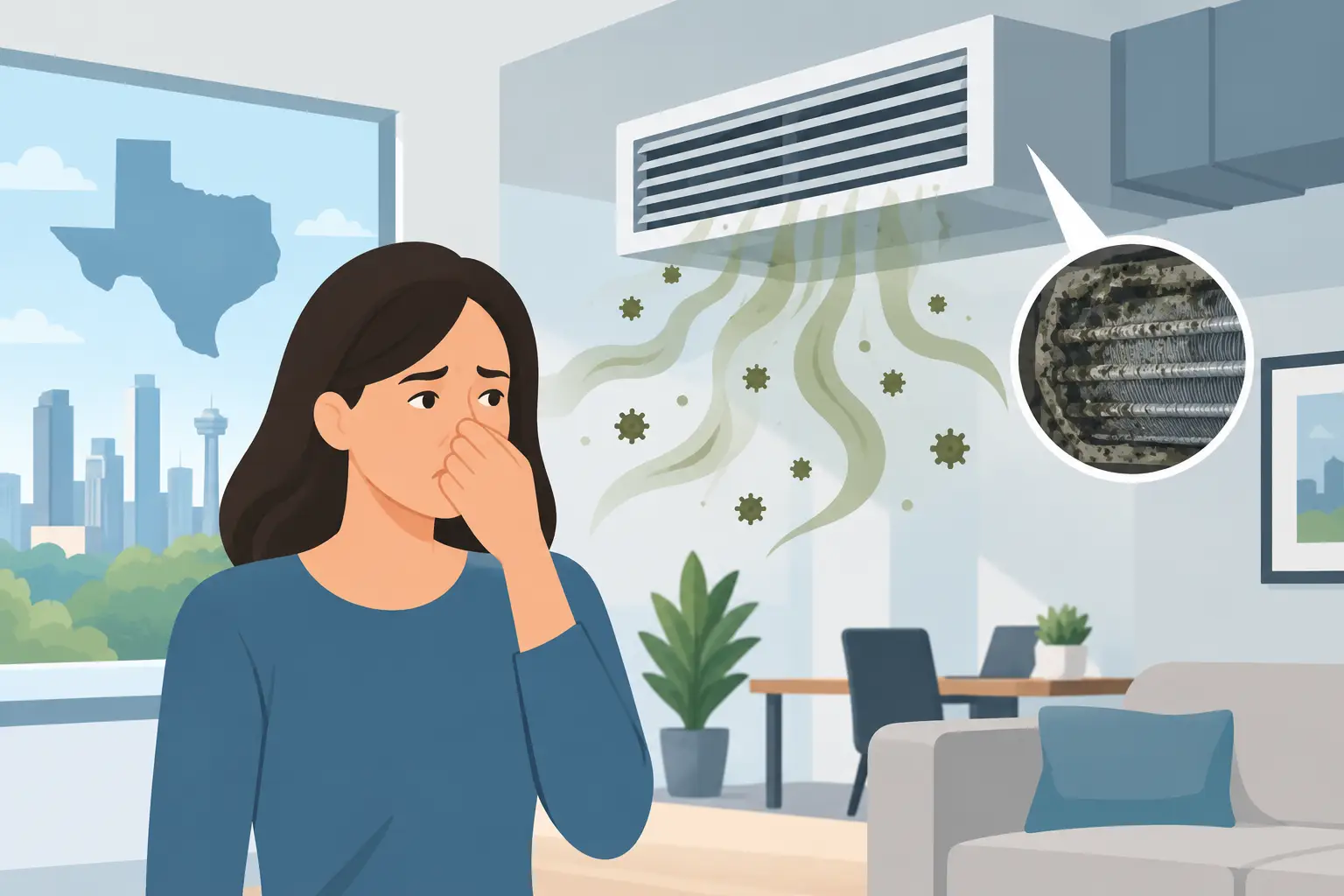
UV air treatment is often discussed as an allergy upgrade, but it is important to understand what it does well. UV lights are generally installed near the indoor coil or other damp areas inside the HVAC system. Their main purpose is to help control microbial growth on surfaces where condensation can occur.
A UV system does not replace a quality filter, and it does not remove dust or pet dander from the air. It may be a worthwhile addition when a system has recurring coil buildup, drain-pan concerns, or moisture-related odors. It is less likely to be the first upgrade for a home whose biggest problem is everyday pollen and dust.
Because UV bulbs lose output over time, they need scheduled replacement. A technician can recommend whether this option makes sense after inspecting the indoor equipment, coil condition, drainage, and air quality concerns.
Fix Duct Leaks and Airflow Problems
Allergy-focused equipment can only do so much if the duct system is pulling dusty attic air into the home or failing to deliver conditioned air where it is needed. Leaky return ducts are a common concern because they can draw in unfiltered air from attics, garages, crawl spaces, and wall cavities.
Signs of duct or airflow trouble include rooms that are consistently dusty, uneven temperatures, unusually high utility bills, whistling vents, and an HVAC system that seems to run constantly. Dirty or damaged ducts can also contribute to odors and reduced comfort.
Duct sealing can help reduce the amount of unfiltered air entering the system. In some homes, adding or resizing return-air pathways improves circulation and helps the system filter more air effectively. Duct cleaning may be appropriate after major remodeling, pest activity, visible debris buildup, or a confirmed contamination issue, but it is not a cure-all for allergies. The best approach is to identify why dust is entering or collecting in the first place.
Maintain the Equipment You Already Have
Even the right upgrade will underperform if the HVAC system is neglected. A clogged filter, dirty indoor coil, blocked condensate drain, weak blower performance, or refrigerant issue can affect airflow, moisture removal, and comfort.
For homeowners, simple habits matter: check filters regularly, keep supply and return vents open and unobstructed, and clear leaves, grass, and debris away from the outdoor unit. Avoid closing too many vents in unused rooms. That can increase system pressure and create comfort problems elsewhere.
Professional maintenance adds another layer of protection. During a seasonal service visit, a technician can inspect the filter setup, blower components, indoor coil, drain system, electrical connections, and overall operation. That makes it easier to catch a small airflow or moisture issue before it becomes an expensive repair during extreme weather.
Know When Replacement May Be the Better Long-Term Move
If an HVAC system is more than 10 years old, needs frequent repairs, cannot maintain balanced temperatures, or struggles with humidity, replacement may be worth discussing. That does not mean replacement is always necessary. A repair-first evaluation should compare the cost and expected life of the repair with the comfort, reliability, and indoor air quality improvements a new system could provide.
A properly sized modern system can offer better variable-speed airflow, improved humidity control, and compatibility with higher-quality filtration accessories. Oversizing is still a concern, even with new equipment. An oversized unit can cool too quickly and fail to run long enough to remove sufficient moisture. The goal is not simply more cooling power. It is dependable, properly balanced comfort.
Custom Climates can help homeowners and local businesses evaluate these options based on the condition of the equipment, the building itself, and a realistic budget. A good recommendation should explain what will help now, what can wait, and what maintenance will be needed after installation.
If allergies are making indoor time uncomfortable, start with an HVAC checkup before choosing a product off the shelf. Cleaner air usually comes from a few well-matched improvements working together: sound airflow, appropriate filtration, controlled humidity, and equipment that is cared for season after season.


Leave A Comment