
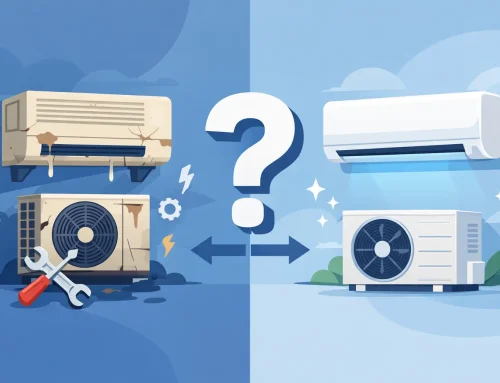
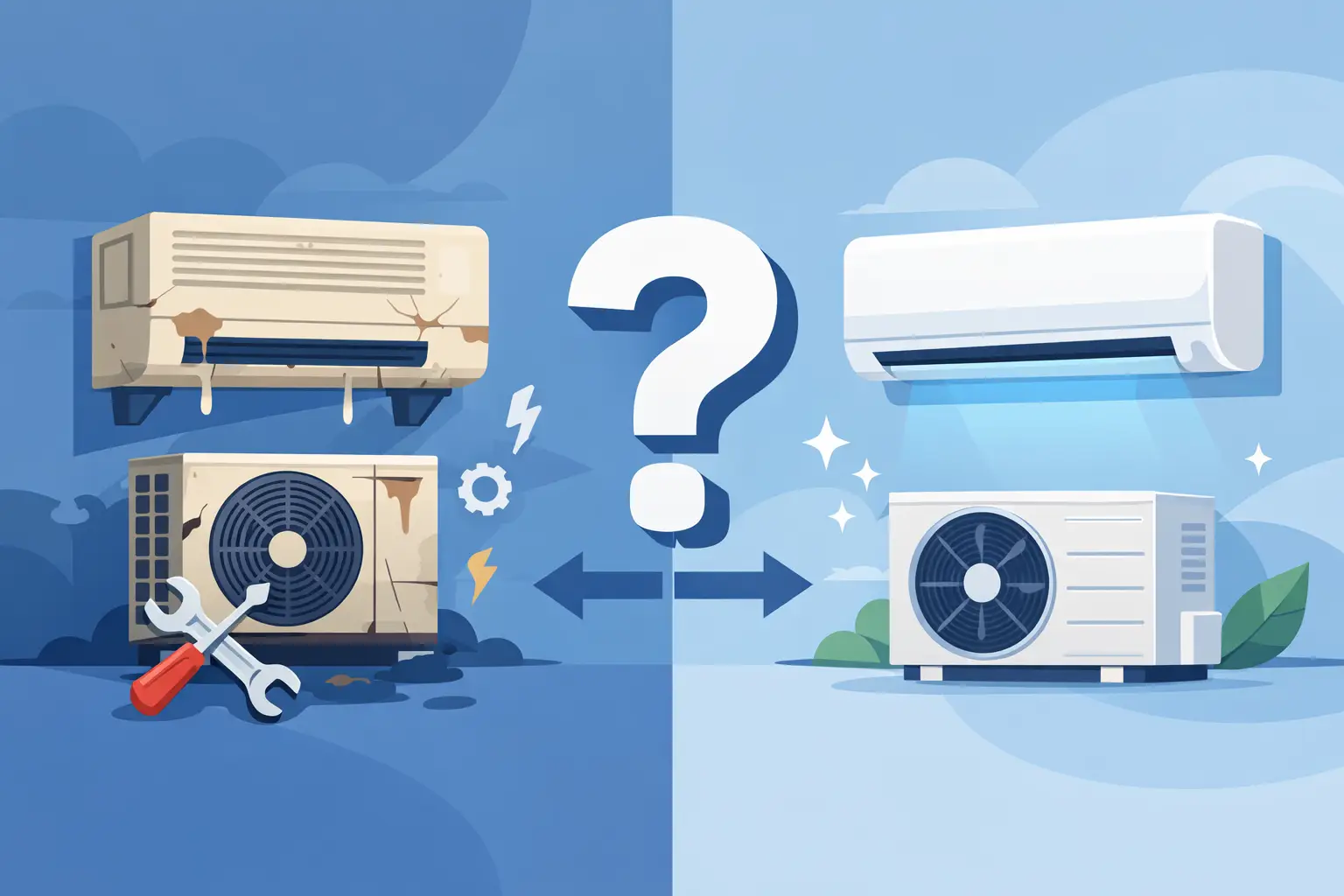
A North Texas air conditioner can work harder in one July than many systems do across an entire mild season. That is why HVAC system replacement after 10 years is a question worth asking, but it is not an automatic answer. A well-maintained system may have useful life left, while another unit of the same age may be costing too much to run, needing frequent repairs, or struggling to keep rooms comfortable.
At Custom Climates, we believe a system should be repaired when repair is the sensible choice. Replacement should be recommended when it protects your comfort, budget, and peace of mind better than another short-term fix. The right decision comes down to your equipment’s condition, repair history, energy use, and how well it meets the needs of your home or business.
Is 10 Years Old Too Old for an HVAC System?
Not necessarily. Many central air conditioning and heating systems operate for 12 to 15 years, and some last longer with consistent professional maintenance. In Texas, though, intense summer heat, long cooling seasons, dust, and outdoor-unit wear can shorten that timeline. A commercial system that runs most of the day may also age differently than a residential unit with lighter use.
Age is best treated as a planning signal. Once equipment reaches 10 years, it is smart to pay closer attention to performance and begin preparing for a future replacement, even if the system is still operating. Planning ahead gives you more choices than waiting for a breakdown during a heat wave.
A 10-year-old system that cools evenly, has reasonable utility costs, and needs only routine service may be a good candidate for continued maintenance. On the other hand, a unit that has had multiple major repairs in the last few years deserves a closer look.
Signs HVAC System Replacement After 10 Years May Make Sense
The clearest sign is not simply a birthday on the equipment label. It is a pattern of declining reliability or rising operating costs. If your AC runs for long stretches but never seems to catch up, or your furnace starts and stops repeatedly, a service visit can identify whether the issue is repairable or whether the system is nearing the end of its practical life.
Frequent repairs matter, especially when they involve major components such as a compressor, evaporator coil, condenser coil, blower motor, or heat exchanger. One repair does not always justify replacement. Several expensive repairs close together can mean you are putting significant money into equipment that may still fail when you need it most.
Watch for these changes in day-to-day comfort:
- Energy bills that climb without a meaningful change in how you use your home or building
- Hot and cold rooms, weak airflow, excess humidity, or persistent musty odors
- Loud operation, rattling, grinding, buzzing, or repeated cycling on and off
- Refrigerant leaks or repairs involving older refrigerant that is harder and more expensive to source
Poor indoor comfort can also come from duct leakage, insulation gaps, thermostat problems, airflow restrictions, or a dirty coil. That is why an honest evaluation matters. Replacing a system without addressing the cause of the problem can leave you with an expensive new unit that still does not perform as it should.
When Repair Is Still the Better Choice
A repair-first approach protects customers from replacing equipment before it is necessary. If the system has been reliable, the repair is straightforward, and the equipment can still operate efficiently, repairing it may be the responsible option.
For example, a failed capacitor, contactor, thermostat, drain component, or electrical connection can often be corrected without replacing the entire system. Regular maintenance can also restore performance by addressing clogged filters, dirty coils, worn parts, low airflow, or drainage issues.
The decision changes when the repair is large compared with the system’s remaining life and value. There is no single percentage that fits every situation, because the best choice depends on equipment condition, warranty coverage, utility costs, and your plans for the property. A homeowner who expects to stay for 10 more years may value higher efficiency differently than someone preparing to sell. A business may prioritize avoiding downtime over extending an unreliable system another season.
What a New System Can Improve
Modern HVAC equipment can offer meaningful gains in efficiency, humidity control, comfort, and reliability. That does not mean the highest-rated system is automatically the right fit. The right equipment needs to be sized and configured for the building, ductwork, insulation, number of occupants, sun exposure, and comfort goals.
An oversized air conditioner may cool too quickly and fail to remove enough humidity. An undersized unit may run constantly during peak heat and wear down sooner. Equipment selection should begin with a property-specific assessment, not a one-size-fits-all recommendation.
For many North Texas households, better humidity control is a major benefit of an updated system. When indoor humidity is controlled, rooms can feel more comfortable at a reasonable thermostat setting. For businesses, reliable cooling helps protect employee comfort, customer experience, and certain equipment or inventory.
Replacement can also be an opportunity to consider indoor air quality improvements. Depending on your needs, filtration, air purification, ventilation, or humidity solutions may help reduce dust, allergens, and other airborne concerns. These options should be chosen based on the people using the space, not added simply because a new system is being installed.
Plan Before an Emergency Forces the Decision
The least stressful time to consider replacement is while your current system is still functioning. If your equipment is more than 10 years old, schedule an inspection before the hottest part of summer or the first serious cold front. You will have time to understand its condition, review repair options, and budget for replacement if it becomes the better path.
Ask the technician to explain what is wrong in plain language, what repair will accomplish, and what risks remain after the repair. You should also understand whether parts are under warranty, how long the repair is expected to last, and whether the system has a history of related failures.
If replacement is recommended, compare more than the upfront price. Consider projected efficiency, warranty terms, installation quality, equipment capacity, indoor air quality needs, and available financing. A lower initial cost can be reasonable when budgets are tight, but the cheapest option is not always the best long-term value if it does not fit the property or comfort expectations.
Protect the System You Have Today
Whether your system is five years old or fifteen, basic care can reduce avoidable strain. Change filters on schedule, keep the outdoor unit clear of grass clippings and debris, and avoid blocking supply or return vents with furniture. A clogged filter and restricted airflow can increase energy use, reduce comfort, and contribute to unnecessary wear.
Professional preventive maintenance is equally valuable. During a seasonal visit, a trained technician can check electrical components, refrigerant performance, drainage, safety controls, airflow, coils, and heating operation. Small concerns are easier and less expensive to address before they turn into a no-cooling call in August or a no-heat call on a cold night.
A 10-year-old HVAC system does not need to become a source of worry. It needs an honest assessment and a plan that fits your property, timeline, and budget. If repair keeps you comfortable, that is a good outcome. If replacement gives you more dependable comfort before the next Texas weather extreme, you deserve clear guidance to make that decision with confidence.


Leave A Comment