
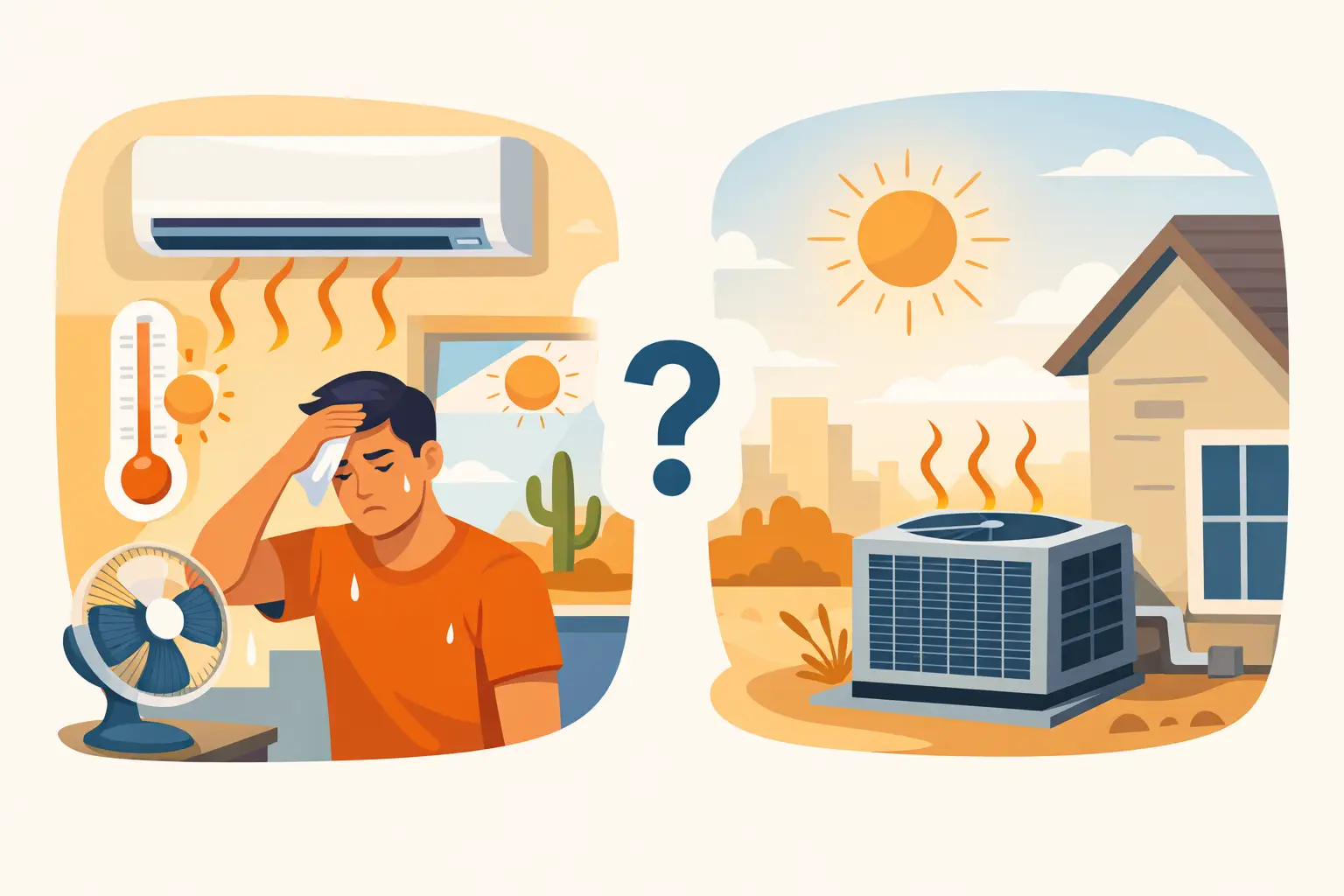
A Texas air conditioner rarely gets a gentle start to summer. One week of rising temperatures can turn a system that seemed fine in spring into a noisy, underperforming unit that cannot keep up. Air conditioner maintenance before summer gives your home or business the best chance to stay comfortable when the DFW heat settles in for the long haul.
A seasonal visit is not about selling equipment before it is needed. It is about finding small issues while they are still manageable: a weak capacitor, a clogged drain, a worn electrical connection, low airflow, or a dirty coil forcing the system to work harder. Addressing those concerns early can help protect your comfort, your budget, and your equipment.
Why Texas AC Systems Need a Spring Checkup
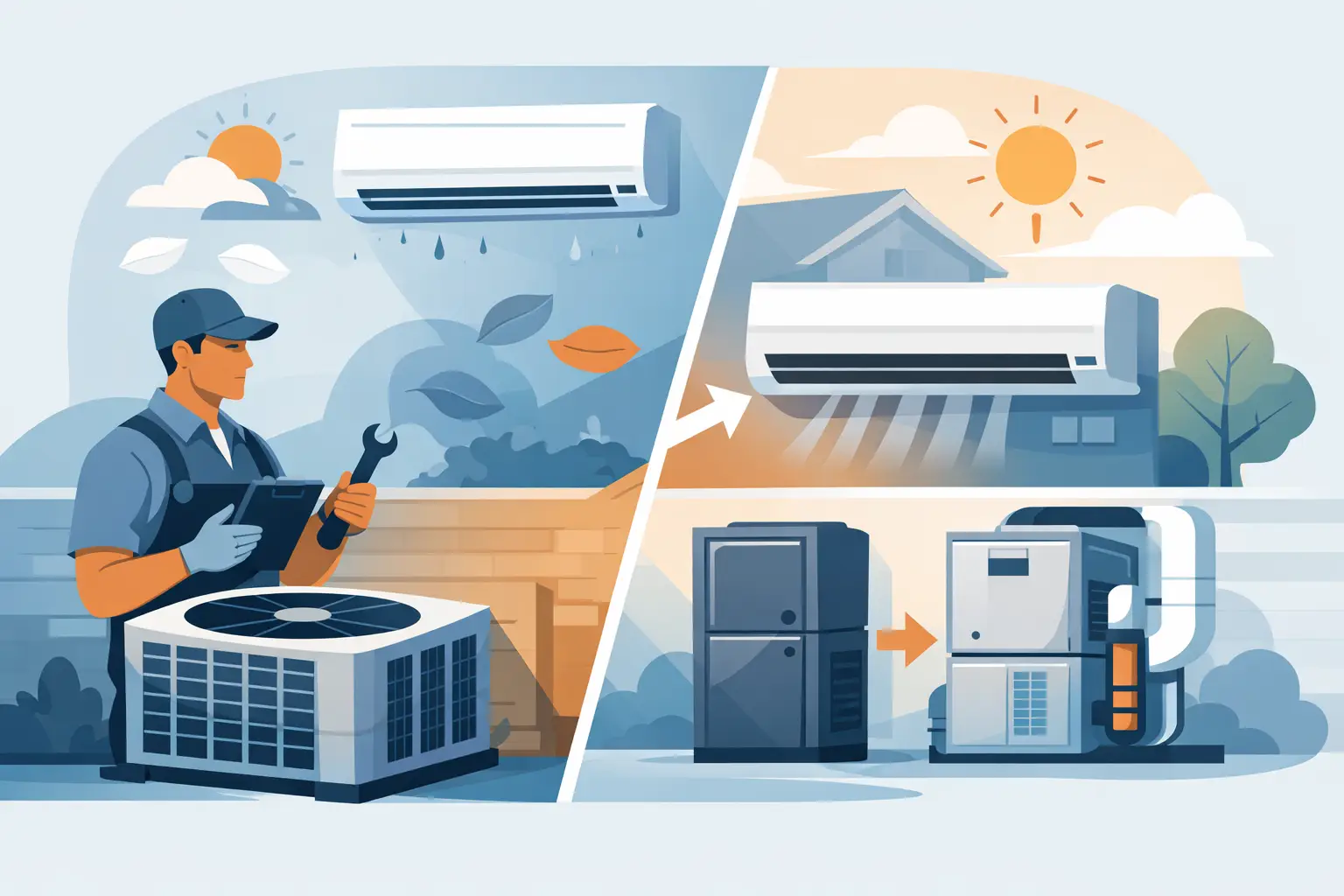
Your cooling system has been sitting through a season of wind, pollen, temperature swings, and occasional storms. Even if the thermostat is set to heat, the outdoor condenser is exposed to dirt, leaves, grass clippings, and debris that can restrict airflow around the unit. Inside, a full air filter, dust buildup, or drain-line blockage may have developed without obvious warning signs.
Once summer arrives, an AC system may run for many hours each day. That extended demand puts extra stress on components that are already weakening. A part that works during a mild April afternoon may fail during a 100-degree stretch, when the system is cycling constantly and repair schedules fill quickly.
Preventive service cannot guarantee that every breakdown will be avoided. Some parts fail unexpectedly, and older systems have more wear to account for. Still, a professional inspection gives you a clearer picture of your system’s condition and lets you make decisions before an urgent loss of cooling forces your hand.
What Professional Air Conditioner Maintenance Before Summer Includes
A thorough maintenance appointment should look beyond a quick glance at the outdoor unit. A trained HVAC technician evaluates how the complete system is operating, including the equipment inside your home or commercial space.
The technician will typically inspect electrical connections and components, check the thermostat operation, examine the condenser and evaporator coils, test safety controls, and measure the system’s cooling performance. They should also inspect the condensate drain system, because a blocked drain can cause water damage, high indoor humidity, or a shutdown at the worst possible time.
Airflow deserves close attention as well. Restricted airflow can make rooms feel uneven, increase utility costs, and put strain on the compressor and blower motor. A technician may identify concerns with the filter, blower components, ductwork, registers, or the condition of the indoor coil. The right solution depends on what is actually causing the issue, not on a one-size-fits-all recommendation.
Refrigerant is another area where accuracy matters. Your system does not use up refrigerant like fuel. If refrigerant is low, there may be a leak or another problem that should be diagnosed rather than simply topped off. An honest repair-first approach focuses on identifying the cause and explaining your options clearly.
Maintenance Is Different From a Repair Call
Maintenance is scheduled when the system is still operating, while a repair call addresses a specific problem such as warm air, strange sounds, ice on the lines, tripped breakers, water around the indoor unit, or a thermostat that will not respond. A maintenance visit may uncover a repair need, but it should also include an explanation of what was found, what is urgent, and what can be monitored.
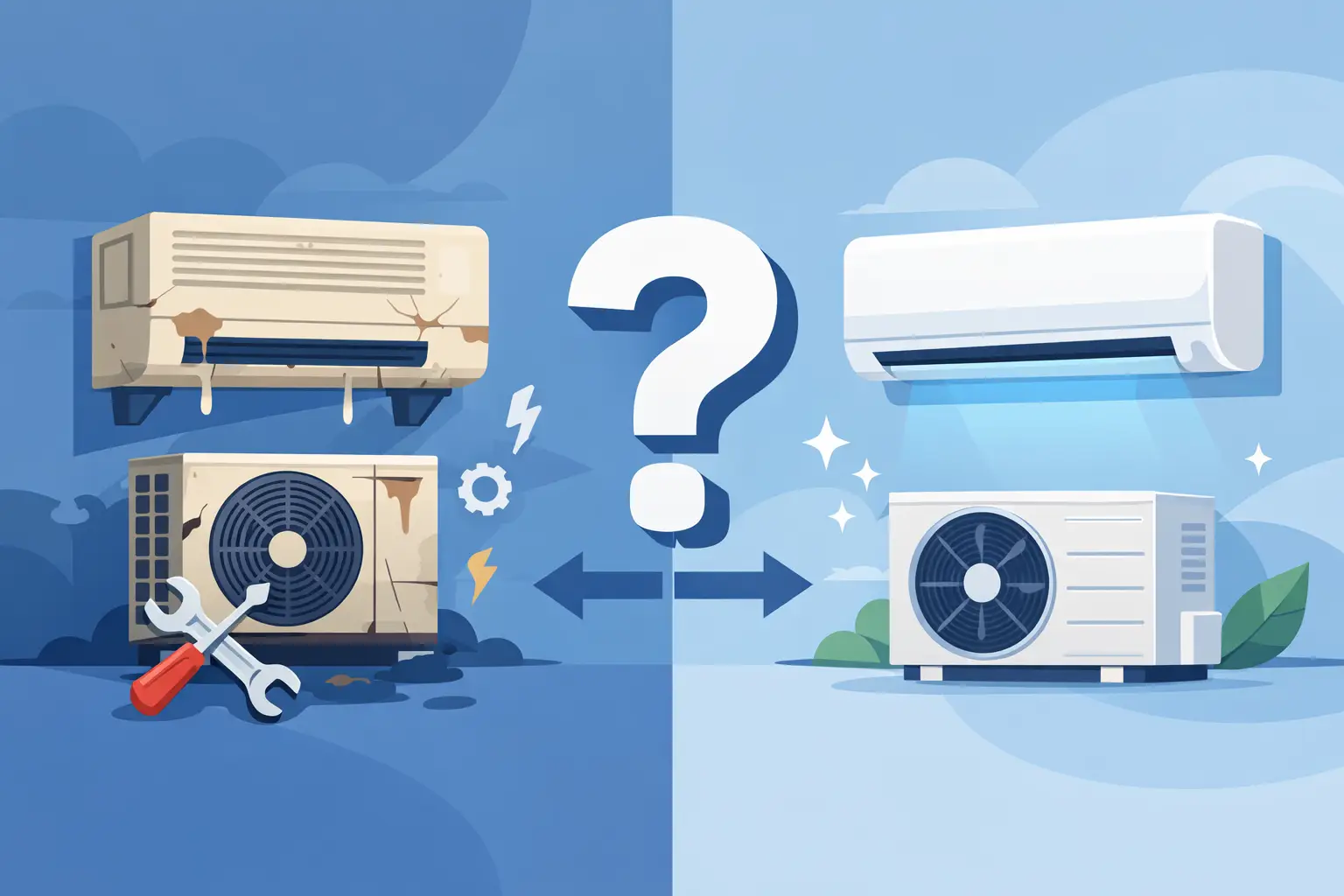
For systems that are more than 10 years old, the conversation may include repair versus replacement. Age alone does not mean replacement is automatically the best answer. The condition of the compressor, repair history, efficiency, warranty status, comfort needs, and the cost of the repair all matter. A reliable contractor should respect your timeline and budget instead of pressuring you into equipment you do not need.
Homeowner Steps That Support AC Performance
There are a few simple tasks property owners can handle between professional visits. These steps do not replace maintenance, but they can reduce avoidable strain on the system.
Change the air filter on the schedule recommended for your household, pets, allergies, and filter type. A filter that looks only mildly dusty can still restrict airflow, especially during high-pollen months. Check it monthly during the cooling season and replace it when needed.
Keep at least two feet of open space around the outdoor condenser. Trim back shrubs, remove leaves and loose debris, and avoid stacking tools, patio furniture, or storage items against the unit. When mowing, aim grass clippings away from the condenser fins. Those thin fins are easy to bend, so avoid using sharp tools or aggressive water pressure to clean them.
Inside, make sure supply vents and return grilles are open and not blocked by rugs, furniture, or boxes. Closing many vents to force air into selected rooms can create airflow and pressure problems, especially in a system that was designed to condition the whole house. If one room is consistently too warm, the answer may involve airflow balancing, insulation, ductwork, a thermostat setting, or equipment sizing. It depends on the property.
Pay attention to changes in how the system sounds and feels. Longer run times, weak airflow, musty odors, humidity that lingers indoors, or rooms with major temperature differences are worth mentioning when you schedule service. Early details help a technician diagnose the real issue more efficiently.
Do Not Skip the Outdoor Unit and Drain Line
The outdoor unit is often the first thing people check, but it is only one part of the cooling system. It needs clear airflow and a stable, level base, yet the indoor equipment needs equal attention. The indoor evaporator coil removes heat and moisture from the air. When moisture drains properly, your home feels more comfortable at a reasonable thermostat setting. When it does not, you may notice humidity, water near the unit, or an unexpected system shutdown.
Avoid pouring unapproved chemicals into a condensate drain line. Some products can damage components or create a temporary fix that hides a bigger blockage. If the drain has backed up before, ask your HVAC professional what preventive treatment makes sense for your system.
Also resist the temptation to remove electrical panels or perform refrigerant-related work yourself. Modern HVAC equipment contains high-voltage electrical components and pressurized refrigerant. Cleaning around the unit and changing a filter are practical owner tasks. Testing electrical parts, diagnosing refrigerant concerns, and servicing internal components require trained hands and proper tools.
Maintenance for Businesses Has Different Stakes
For a business, a cooling failure can affect more than comfort. Employees may struggle to work productively, customers may leave early, equipment can overheat, and a warm office or retail space can create an immediate operational problem. Property managers and business owners should schedule service before the busiest cooling period whenever possible, particularly for spaces with long operating hours, multiple zones, server equipment, or high occupancy.
A commercial maintenance plan should consider the building’s actual use. A small office, restaurant, warehouse, medical space, and retail store place very different demands on their HVAC equipment. Filter schedules, indoor air quality needs, thermostat settings, and maintenance frequency should fit the property rather than follow a generic calendar.
Service contracts can also make planning easier by creating a consistent maintenance schedule and documenting system condition over time. That record is useful when budgeting for repairs, planning equipment upgrades, and reducing surprise downtime.
When to Schedule Service
The best time for AC maintenance is before daily high temperatures become routine. In North Texas, that often means early to mid-spring, although there is still value in scheduling later if summer has already begun. The key is not to wait for the first major heat wave or until the system is no longer keeping up.
Call sooner if your AC is blowing warm air, cycling on and off frequently, making grinding or buzzing noises, leaking water, freezing up, or causing a sudden jump in energy use. These symptoms do not always mean the system needs replacement, but they do deserve prompt attention. Continuing to run a struggling unit can turn a smaller repair into a more expensive one.
Custom Climates approaches maintenance and repair with the same goal Texas families and businesses have: dependable comfort without unnecessary costs. A clear inspection, straightforward recommendations, and timely professional service can help you head into summer knowing what your system needs and what can wait.
A well-maintained air conditioner may never be the most noticeable part of your property. That is exactly the point. When the Texas heat arrives, comfort should feel normal, not like something you have to fight for.
Leave A Comment